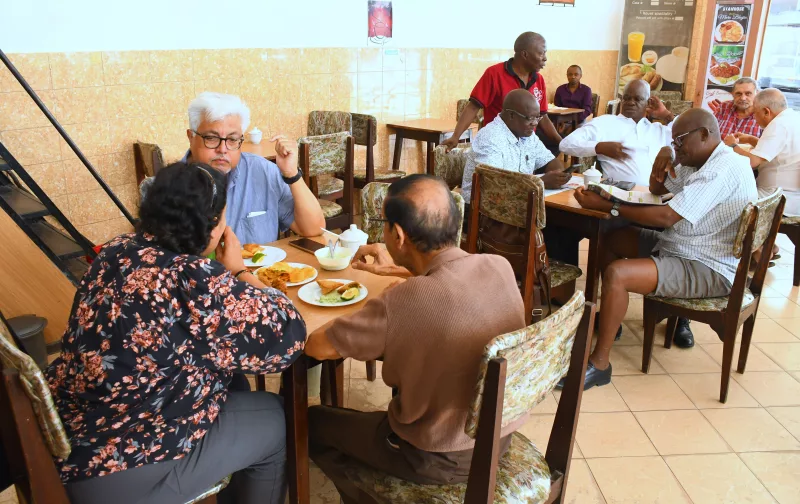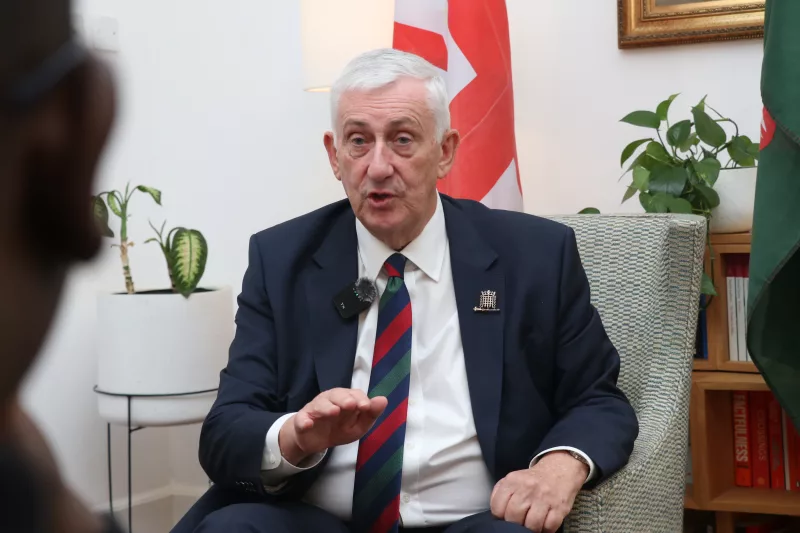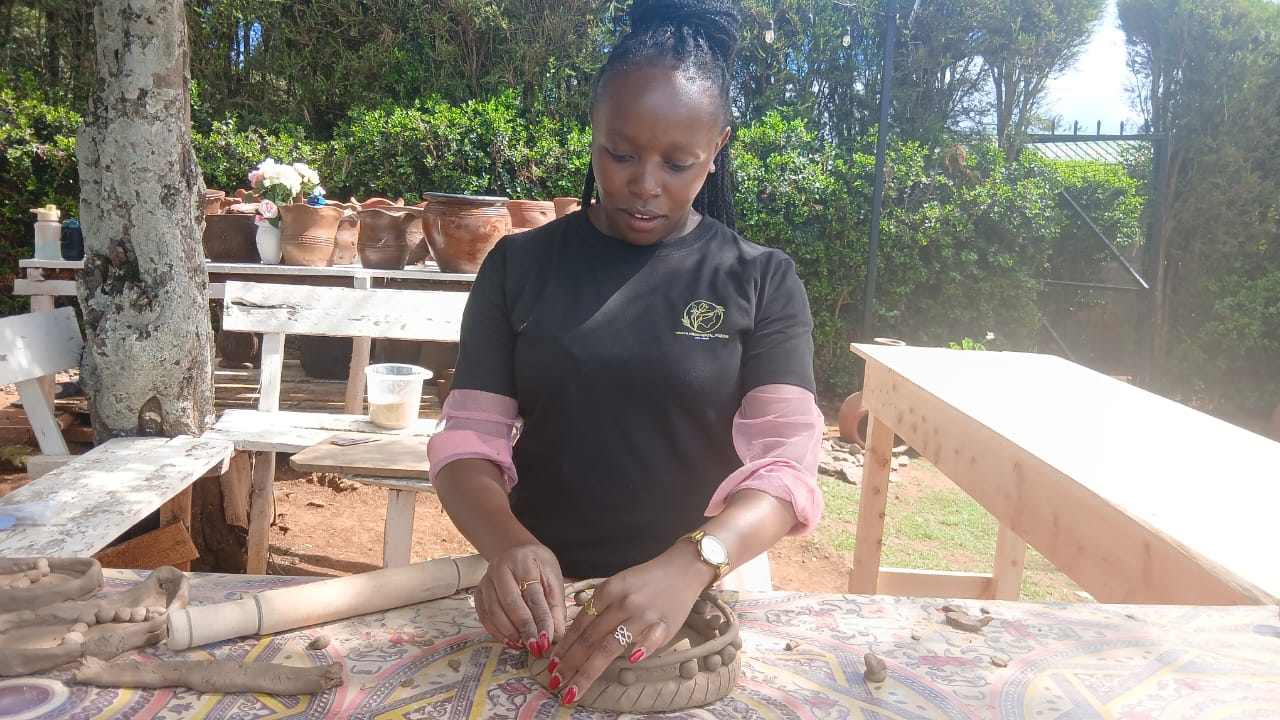
There was brunch, music, laughter, owners, women taking photos, and mothers seated around tables at Mountain View Cottage in Laikipia county, near Nanyuki town. Then came the clay.
Hands that usually wash, cook, carry, soothe, work, feed and hold families together were suddenly wet with pottery clay. Some mothers laughed at the mess. Others worked quietly. A few seemed to relax only after their hands became busy.
“I did not realise how tired I was until I sat down and started working with the clay,” one mother said after the session. “As mothers, we are always doing something for someone else. Today felt like someone finally asked us to pause.”
That was the moment the deeper story of Maisha Mothers revealed itself: Sometimes a mother will not open up on a couch, but she may begin to heal while shaping clay.
Maisha Mothers, a programme by Thalia Psychotherapy, was created to bring mental health checks into normal maternal care. The idea is simple but powerful. When a mother attends antenatal care, delivers a baby or returns for postnatal care, her emotional well-being should be checked just like her blood pressure or the baby’s weight.
The need is urgent. WHO says almost one in five women will experience a mental health condition during pregnancy or in the year after birth. Among women with perinatal mental health conditions, 20 per cent experience suicidal thoughts or acts of self-harm. In developing countries, about 20 per cent of mothers experience clinical depression after childbirth.
Kenya is among those affected. A study on postnatal mothers in low-resource urban communities in Nairobi found postnatal depression prevalence at 27.1 per cent. The same study connected depression risk to realities many mothers know too well: stressful life events, work problems, unplanned pregnancy, conflict with relatives and exhaustion.
That is why Maisha Mothers matters. The programme has already screened more than 500,000 pregnant and postnatal women in Kenya for mental health needs. That is not just a statistic. It represents half a million moments where a mother’s emotional state was treated as part of her health, not as an afterthought.
At that scale, Maisha Mothers is no longer only asking whether maternal mental health checks can work. It is asking how they can work better for different mothers with different lives, risks and support needs.
Through Pathways segmentation, the programme is studying why some mothers start therapy but stop before completing care. The aim is to understand why and where mothers pause, where they drop off and what practical, emotional or safety barriers are standing in the way.
So Maisha Mothers is rethinking therapy itself.
The new approach starts with safety and choice. Is this phone private? What time works? Would you prefer WhatsApp, SMS, a voice note, a short call, a full session or peer support? Would you rather speak to another mother first?
This is therapy moving closer to real life. Therapy while shaping clay. Therapy through a short evening voice note. Therapy through a discreet message. Therapy through another mother saying, “I also felt that.” Therapy that does not always begin with diagnosis but with relief.
This matters even more as Kenya reshapes maternal care under the universal health programme. The Ministry of Health says the revamped Linda Mama programme under SHA now supports women through pregnancy, delivery and postnatal care. Maisha Mothers’ ambition is to make mental health checks part of that journey, so no mother is celebrated on Mother’s Day but forgotten the next day.
At the pottery table, one mother pressed her thumb into clay and laughed when it collapsed. She started again.
That may be the lesson. Mothers do not need perfect speeches about strength. They need systems that notice when they are tired, afraid, grieving or unsafe. They need care that fits their lives.
And sometimes, healing begins not with a question but with clay in the hands.