As Kenya prepares to send its youth to one of the world’s biggest international youth gatherings, the journey is shaping up to be much more than a trip abroad.
It is becoming a story of diplomacy, opportunity and a new generation determined to shape global conversations.
From September 11 to 17, thousands of young people from more than 180 countries will gather in Yekaterinburg, Russia, for the World Youth Festival, a large-scale international event designed to foster cooperation, cultural exchange and dialogue among young leaders.
This year’s edition is expected to bring together about 10,000 participants, creating a global meeting point for youth in business, media, science, public administration, innovation and civic leadership.
For Kenya, the festival is not simply about attending an international conference. It is about opening doors.
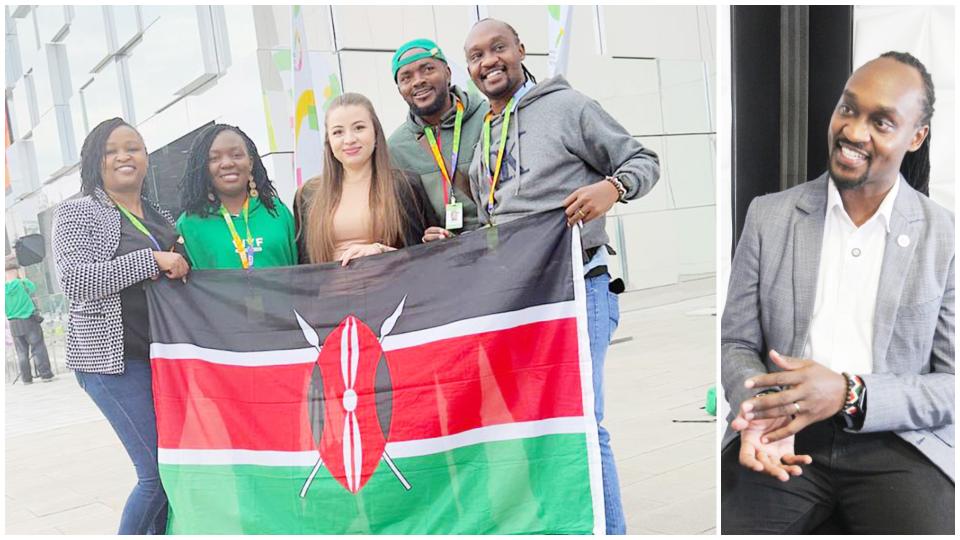
At the centre of this effort is Richard Wambua, the head of the World Youth Festival Directorate (WYFD) Project Office in Kenya, who is leading the preparations for the Kenyan delegation.
To him, the festival is a practical space where young people build real relationships that can shape careers, partnerships and even diplomacy between nations.
“The International Festival for Youth is part of the annual programmes organised under the WYFD,” he said.
“It is a global cultural platform where young people from across the world gather in Russia this year in Yekaterinburg, with about 10,000 participants.”
For many young Kenyans, this platform offers something rare — direct access to global networks, scholarships, innovation spaces and partnerships that would otherwise take years to build.
But for Kenya and Russia, it also represents something deeper: people-to-people diplomacy.
WHERE YOUTH BECOME DIPLOMATS
Diplomatic ties are often seen through presidents, ambassadors and trade agreements.
But Wambua believes the strongest bridges are sometimes built much earlier — when young people meet before titles and offices define them.
“It gives youth a space to exchange ideas, collaborate and realise how similar they are despite different nationalities,” he said.
“This has also helped strengthen bilateral relations between Kenya and Russia through youth engagement.”
The World Youth Festival itself has a long history, dating back to the early 1960s.
Its revival under Russia’s hosting reflects a growing belief that the future of international relations cannot be shaped without the youth.
“The World Youth Festival dates back to around 1963, 64 and has been hosted in different countries over the years, including Hungary, Germany and even South Africa,” Wambua said.
“After a pause, Russia resumed hosting it because youth globally face similar challenges and aspirations. The aim is to give them a platform to express ideas, collaborate and shape solutions for the future.”
The festival’s mission is built around the idea of a multipolar world — one based on justice, equality and mutual respect, where young people from different political and cultural backgrounds can work together instead of against each other.
It encourages youth to see themselves not just as citizens of one country but as contributors to global development.
For Kenya, this message fits well with its own diplomatic identity.
Wambua says Kenya has always positioned itself as open to partnerships across the world.
“Kenya has historically followed a non-aligned approach and maintains a ‘friend to all’ foreign policy,” he said.
“We are a gateway to East and Central Africa and a key player in global affairs. In today’s multipolar world, engaging partners like Russia is part of adapting to changing global dynamics.”
This makes youth participation in the festival especially important.
Kenya is a young country. Africa is the world’s youngest continent, and in Kenya, the youth make up the majority of the population.
Wambua notes that about 75 per cent of Kenya’s population is young. That means tomorrow’s diplomats, innovators, investors and policymakers are already here.
Ignoring them would mean ignoring the future.
“Youth exchanges allow collaboration early before formal diplomatic positions or big businesses are even formed,” he said.
“When young people connect now, they build long-term relationships that later strengthen trade, innovation and diplomacy.”
This is where the festival becomes powerful. A student attending today may become tomorrow’s investor. A young entrepreneur may later become a major business partner. A media participant may become a global voice connecting nations through storytelling.
These early connections often outlive the event itself. They become long-term bridges.
OPPORTUNITIES BEYOND TRAVEL
For many Kenyan youth, international festivals can sound like glamorous travel experiences.
But Wambua insists this is not tourism. It is serious investment in talent.
The festival offers lectures by world-class experts, workshops, exhibitions, cultural immersion and direct networking with investors, researchers and business leaders.
It also creates opportunities for scholarships and specialised training.
Past Kenyan delegates have already used the platform to secure educational opportunities and international partnerships.
“Many participants go on to get scholarships, study abroad and later return as professionals who strengthen ties between countries,” Wambua said.
“These relationships become long-term bridges in business, education and even diplomacy.”
This is especially important for young Kenyans in entrepreneurship and technology.
Kenya’s youth are widely recognised for creativity, resilience and innovation.
At the festival, these ideas can move from local projects to international opportunities.
Wambua says dedicated spaces exist specifically for that purpose.
“There are exhibition spaces for the youth as well as export and trade desks, translation support and networking hubs,” he said.
“These platforms create opportunities that go far beyond cultural exchange, extending into business development and international cooperation.”
That means a young entrepreneur with a strong idea does not just present it for applause.
They could meet an investor. A student with a climate project could find research partners.
A civic innovator working on decolonisation or green movements could find international collaborators.
Kenyan youth also bring something equally valuable: authentic African voices.
They are not just attending to listen. They are attending to contribute.
They carry local solutions, local stories and local innovation into global conversations.
This exchange strengthens both Kenya’s global visibility and its relationship with Russia.
BREAKING STEREOTYPES
Diplomacy often struggles because people rely on stereotypes instead of personal experience.
Wambua believes the festival helps solve that problem through direct human interaction.
Young people do not only attend formal sessions. They visit schools, join environmental activities, participate in friendship clubs and experience daily life in Russia.
“We organise cultural exchanges, school visits, environmental activities and friendship clubs across regions,” he said.
When young people interact personally, assumptions begin to disappear. Consequently, when youth interact personally, many stereotypes disappear because they realise how much they actually have in common.
This applies both ways. Russian youth learn about Kenya beyond headlines. And Kenyan youth experience Russia beyond international politics.
Even simple moments matter. Wambua says Yekaterinburg offers that kind of human connection. He describes it as beautiful, welcoming and ready for international guests.
“Even if you are lost, locals are very helpful. It is a very open and hospitable environment, where youth can truly experience daily Russian life,” he said.
He adds that hospitality from locals and volunteers often leaves lasting memories for visitors.
Kenya already enjoys strong cultural recognition in Russia.
“Many already know Kenyan tea and Kenyan athletes, so the first stereotype you often break is that Kenyans are only runners,” he said amid chuckles.
The festival allows Kenya to present a much bigger story. It shows a country of innovators, thinkers, creators and future leaders. It shows a generation ready to engage globally.
Despite the excitement, organising Kenya’s participation has not been easy.
“The biggest challenge has been awareness, getting enough people to understand the opportunity and apply,” Wambua said.
Interest is strong once people hear about it. Applications have been many, but Wambua says representation must be balanced.
The festival is not only for students or entrepreneurs. It must include voices from sports, media, civic engagement and other sectors.
That diversity matters because diplomacy is not built by one profession alone.
It is built by society.
To improve understanding, the coordination team has been holding virtual engagement sessions to explain what the festival is, what it expects and how youth diplomacy works.
The response has been encouraging. “The most rewarding part has been the enthusiasm and quality of questions from Kenyan youth. They are curious, critical thinkers and very engaged,” Wambua said.
He also points to the innovation coming from applicants.
“There have also been many innovative proposals from young people eager to showcase their ideas internationally,” he said.
That enthusiasm tells a bigger story. Kenyan youth are not waiting for opportunities to be handed to them. They are actively seeking platforms to grow, connect and lead.
The World Youth Festival offers one such platform. And for Kenya-Russia relations, it offers something governments alone cannot create: trust built person by person.
Wambua believes this is the future of diplomacy.
“Diplomacy is no longer just government to government. Youth, diaspora communities and individuals now play a bigger role than ever before,” he said.
As Kenya prepares for the September festival in Yekaterinburg, the message is clear. The youth travelling to Russia are not just delegates. They are bridge builders.
They are carrying Kenya’s voice into global spaces. They are building friendships that may later become trade partnerships, academic collaborations and diplomatic ties.
And in a world searching for balance, understanding and cooperation, that may be the most powerful diplomacy of all.