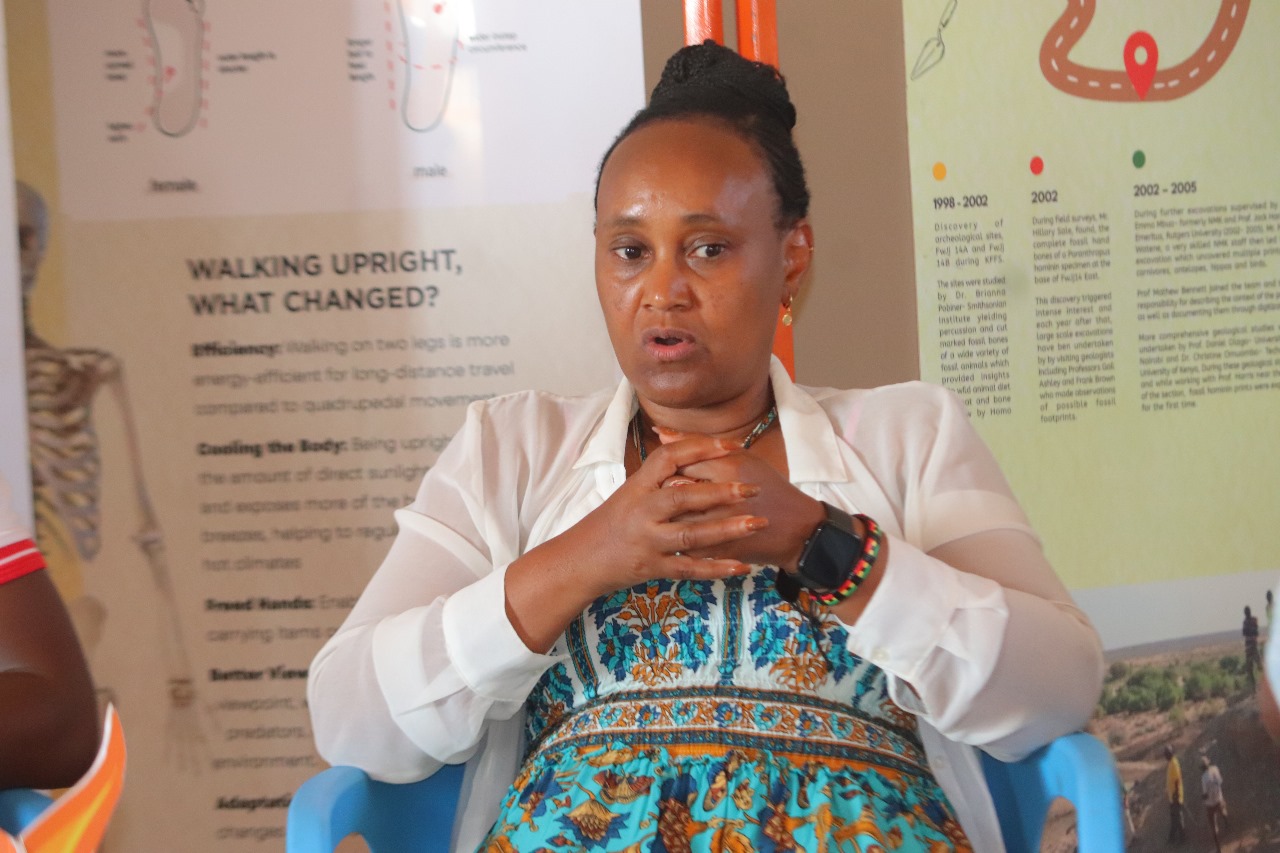
 Dr Purity Kiura is the chief research scientist in
archaeology and heritage at the NMK and project principal investigator / MUNENE NYAGAH
Dr Purity Kiura is the chief research scientist in
archaeology and heritage at the NMK and project principal investigator / MUNENE NYAGAH It’s a bright, sunny morning in Ileret village, Marsabit county. We spot Naomi Akure and her female friends in friendly chats, walking towards the Ileret footprint site, an archaeological site that is rapidly gaining popularity.
Each one is holding a luggage full of beadwork bracelets and necklaces, portraying the Daasanach community culture. More women join them in pairs. They are not here to sell the beadworks, not just yet. They are here for their weekly Wednesday meeting to discuss how to boost their investment.
They have met here every Wednesday for the last three years. A group of 15 women and two men from the Daasanach community formed the group to help them participate in the conservation of the Ileret footprint site through cultural and economic activities.
The Ileret footprint site was discovered in 2004 by a team of researchers.
Nestled on the periphery of Marsabit county in northern Kenya, the Ileret Footprint Site takes you back about 1.5 million years to a time when early human ancestors roamed the earth.
The researchers who explored the geological fossils in 2004 discovered a track of early human footprints and other animal tracks that indicated human activity and interaction, marking historic evidence of human habitation in the east of the Turkana Basin.
According to the National Museums of Kenya, a portion of the ancient footprints was selected, excavated and uncovered for public viewing. A protective canopy and glass enclosure were installed to protect it from the sun, wind and rain.
Also, an exhibition centre showcasing the site’s history and significance was constructed at the site.
Naomi Akure, the Daasanach beading group chairwoman, says their mission began out of love for the footprint site and due to the anticipated rise in tourism.
“At first, we didn’t know the importance of the footprint site until we interacted with a group of people from the National Museum of Kenya, who taught us meaningful ways to get involved in conserving the heritage of the site through participating in economically and culturally rich activities,” Naomi said.
The Dasaanach dancing group promotes the well-being of the Ileret footprint site through cultural songs and dances, affirming the sense of belonging to the site.
The group’s efforts have seen similar groups emerge to ensure the Ileret footprint site is secure for their future.
Due to the negative impacts of climate change, the footprint site is highly endangered by accelerated soil and sediment erosion, which threatens its visibility. Prolonged drought, wind erosion and negative human activities may also lead to collapse.
These groups have now committed to conserving the site. They said the site has brought some light to their way of life and contributed to the education of their children, among other notable benefits.
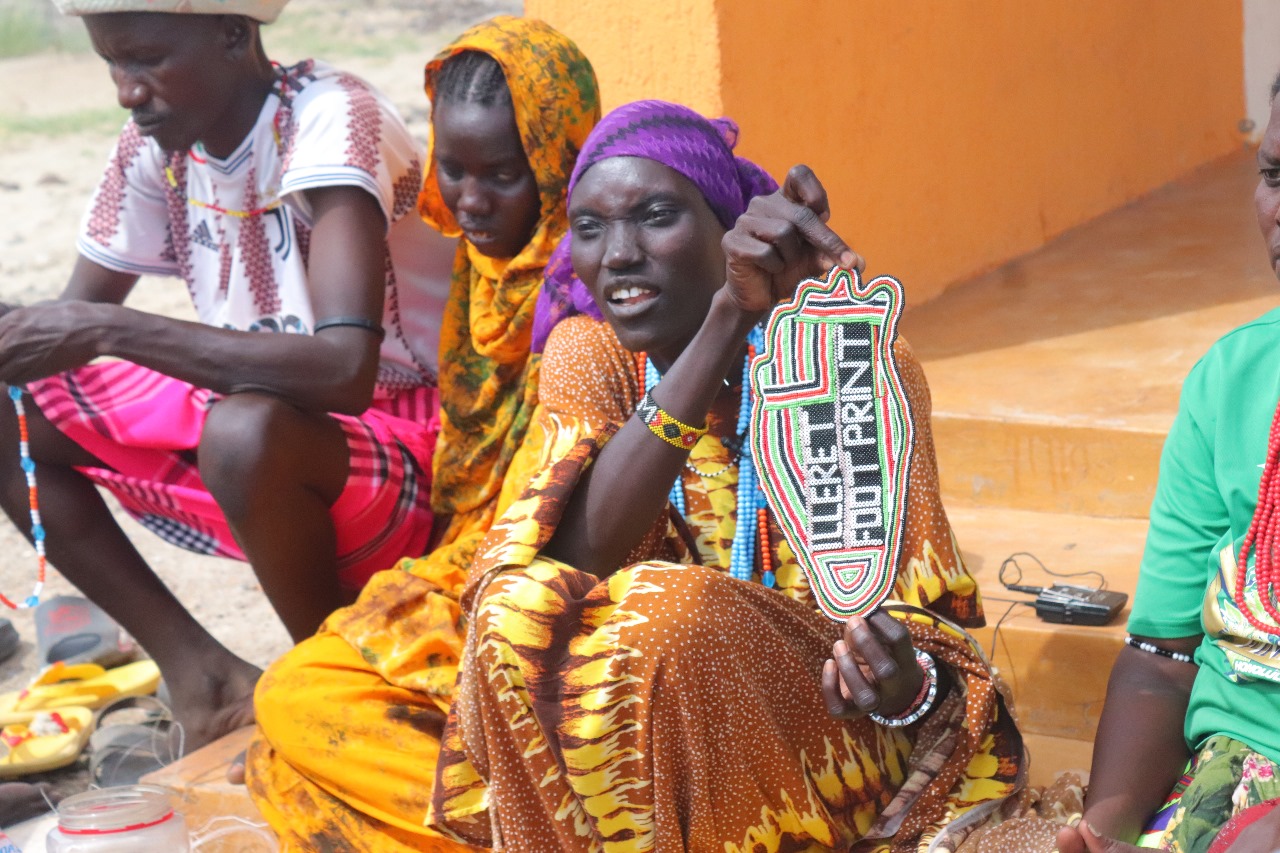 Naomi Akure, the Ileret beading group chairperson displaying some of the products they make in their group at the Ileret footprint site. Photo/ Munene Nyagah.
 Yayo Kwaru, a female member of the Daasanach cultural dancing group, which has both men and women, is enlightening the pastoralist community against activities that would endanger the site.
“We rally our community to play the important role of protecting the Ileret footprint site through preventing their goats and cattle from accessing the site. We cannot relax and let this crucial site go to waste because it has promoted the visibility of our community in the country,” she said.
Her call is similar to that of Joshua Laur, a committee member of the community group. He applauds the National Museums of Kenya for exposing the community around the site to conservation knowledge.
“We are hoping this site will continue giving our Daasanach community exposure because it is little known to the world. We have been trained on the importance of conserving the footprint, and that’s why I urge my people to avoid letting their animals access the area and avoid the area encroachment,” Laur said.
He has the conviction that conservation of the Ileret footprint site will boost employment opportunities, education among young people, infrastructure and economic boost through increased sales of their craft.
Laur called on the Kenyan government to initiate an irrigation project from Lake Turkana, which is a few kilometres away, to allow them to engage in more diversified economic activities, such as farming.
“Before our exposure, the people thought they would lose their land and grazing fields, but through the knowledge learnt from the National Museums of Kenya, people have changed their understanding,” he said.
"However, I’d call for those in leadership positions to start an irrigation project from the neighbouring Lake Turkana to ensure people start other activities that would also boost the conservation and the well-being of the community."
In 2023, NMK and partners began the construction and installation of conservation structures to contain the threats around the footprint area.
Dr Purity Kiura is the chief research scientist in archaeology and heritage at the NMK and the project principal investigator.
She says the Ileret footprint site protection project began in 2023 and was completed in 2025.
She said the NMK, with support from the British Council and the Cultural Protection Fund, installed the gabions, retaining walls, three soak pits and an underground water tank to harvest runoff and floodwaters to mitigate the sediment erosion, among other major installations.
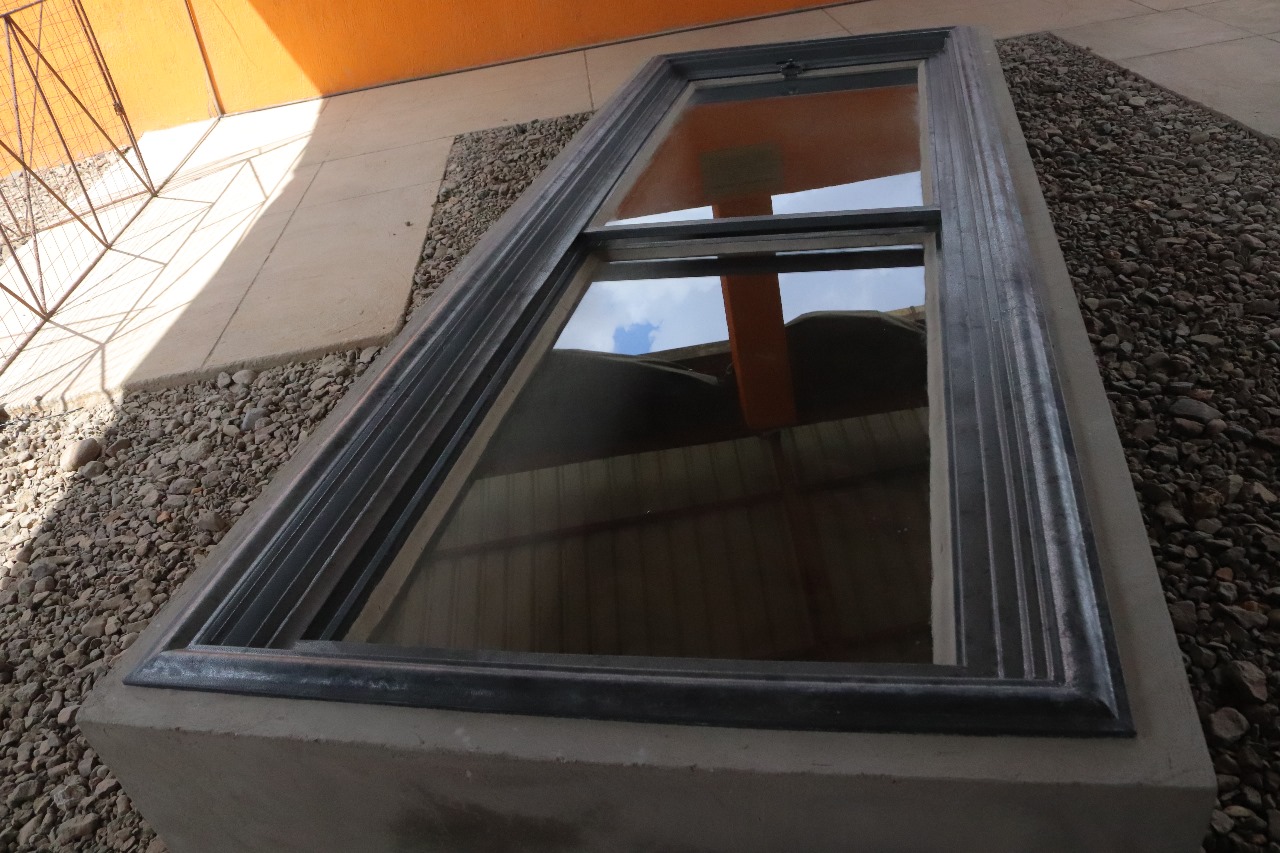 A section of the preserved footprints for public viewing that also shows the structure installed to protect it from threats. Photo/ Munene Nyagah.
 However, due to the landscape and the irregular weather patterns in Ileret, there’s a need to offer protection training to community members who protect the site to consider these aspects while conducting their caretaking duties in future.
“We have to make sure the people who are taking care of the site are trained to understand the weather dynamics that occur and know that once they occur, they are severe," Dr Kiura said.
"The site is well covered, but we need the caretakers to be trained so that in case the sand that comes with wind gets into the footprints, they carefully remove so that the site remains protected."
She said the National Museums of Kenya and the county government of Marsabit are developing the management and operational tools that will guide the operations and continuous conservation of the site to ensure it operates under the county because tourism and culture are devolved functions.
"We have worked with the county government in every activity, including training the community and other stakeholders,” Dr Kiura said.
"We are also developing the management and operational tools that set up the guidelines on how to operate and continue conserving the site, which will include guidelines on visitors’ management, public stakeholder awareness and conservation procedures required at the site."
She emphasised the need for the Daasanach community involvement in the site heritage conservation through digital skills, crafts, performing arts and other skilled and unskilled duties.
“We aim to employ more than 80 residents once the operational management tool is completed and ready for implementation,” she said.
"We are looking forward to setting up a centre at the site where women, youth, and everyone can sell their products to both local and international tourists who visit the area."
The county government department of culture has also vowed to embrace the site, citing its key role in creating more employment opportunities for members of the local community of Daasanach.
Joseph Mirchiga, the county director of culture in Marsabit, said the county government has embraced the Ileret footprint site and promised to maintain the necessary decision to improve the people's livelihoods.
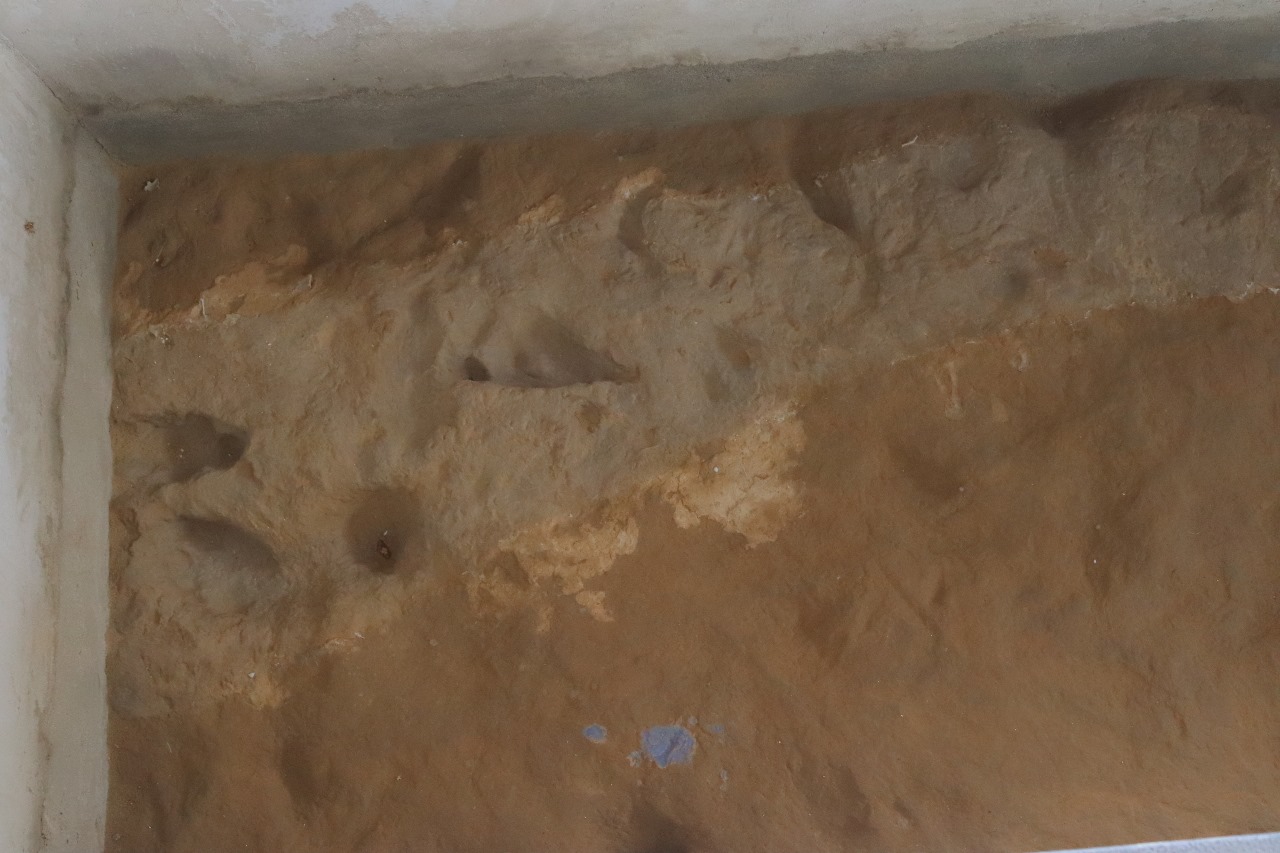 A section of the preserved footprints for public viewing. Photo/ Munene Nyaga.
 “This site offers significant knowledge as far as human knowledge is concerned, and offers a lot of opportunities to the community and the larger humanity,” he said.
He urged the local community to embrace the conservation efforts by the National Museums of Kenya and partners to mitigate the effects of climate change.