 Development is measured not by policies launched, but by lives improved /FILE
Kenya's development journey has long been guided by ambitious plans and bold aspirations. From expanding infrastructure and creating jobs to improving healthcare, education and agricultural productivity, the country's development agenda has consistently sought to uplift the lives of millions of citizens.
Yet one enduring lesson has emerged:
development is most effective when it is informed by the realities of the
people it seeks to serve.
No matter how well designed a policy may be, its success depends on two things. First, government must understand what is happening on the ground. Second, citizens must understand and participate in the process.
Without reliable information, planning becomes guesswork. Without citizen engagement, implementation risks becoming detached from the everyday experiences of wananchi.
It is against this backdrop that a new development architecture is taking shape. It places citizens at the centre of development while strengthening government's ability to respond to realities on the ground.
At its heart are two complementary initiatives by the State Department for Economic Planning: the nationwide Grassroots Data Management and Planning Systems Programme and the Gumzo la Uchumi Mashinani initiative.
The first pillar is strengthening grassroots data systems. Quality decisions depend on quality information. Planning today is about understanding communities in detail, identifying challenges early, targeting interventions accurately and measuring results continuously.
The Grassroots programme addresses gaps in fragmented information and delays in reporting by building a stronger foundation for evidence-based planning. It equips administrators, planners, statisticians and frontline officers with skills in collection, validation, reporting and analysis.
A key function of this programme is validating data generated by other state agencies, so that numbers from different institutions align and decisions are made from a single, reliable source of truth.
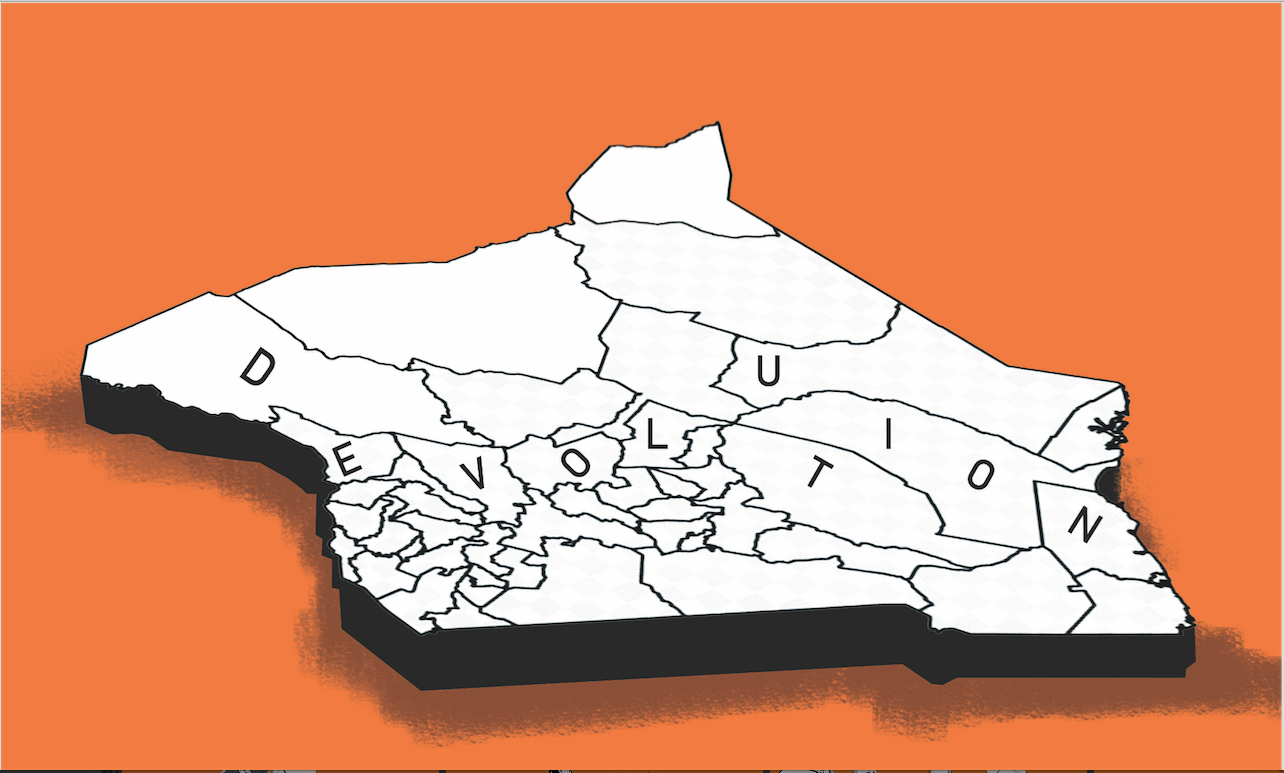
At its core, the programme establishes a common national framework for information from villages, wards, locations, subcounties and counties to be captured, verified and used for decision making.
This is vital in a diverse country like Kenya, where national averages can hide local differences. By improving identification of vulnerable populations, monitoring, resource allocation and digital reporting, the programme creates an ecosystem where planning is guided by facts and outcomes can be measured.
Yet information alone is not enough. Data shows what is happening, but conversations explain how citizens perceive programmes and what they aspire to. That is where the second pillar comes in.
Through Gumzo la Uchumi Mashinani, we are taking development conversations directly to the people to bridge the gap between national planning and the citizens whose lives those plans are meant to improve.
The objective is continuous dialogue, not one-way communication. Citizens are active partners whose perspectives enrich policy design, strengthen implementation, and improve outcomes.
A particularly innovative component is engagement with faith leaders. Across Kenya, churches, mosques, temples and other religious institutions remain among the most trusted pillars of society.
Recognising this, the State Department for Economic Planning has built structured engagements with faith leaders as partners in development. Beginning with interfaith dialogue in Malava and engagements with Christian leaders in Taita Taveta, Busia and Kisumu, the initiative is now expanding to include Muslim leadership and other faith communities nationwide.
The brethren-to-brethren platform now speaks with many voices, so development conversations reach every pulpit and minbar while giving government authentic grassroots feedback.
Through these engagements, faith leaders receive accurate information on government priorities while sharing the concerns, aspirations and experiences of the communities they serve.
This strengthens trust, counters misinformation, deepens civic awareness and creates a stronger feedback loop between government and citizens. Most importantly, it keeps planning connected to the everyday realities of Kenyan communities.
Together, the Grassroots Data programme and Gumzo la Uchumi Mashinani represent a deliberate effort to connect national planning to local realities. One improves the quality of evidence available to decision makers.
The other strengthens the quality of engagement between citizens and government. Together, they are building a more responsive, inclusive and effective development model.
As Kenya pursues economic transformation, these foundations matter more. Sustainable development requires institutions that understand the people they serve and citizens who actively shape their future.
By strengthening partnership, engagement and evidence-based planning, Kenya is laying the groundwork for better planning, stronger implementation, more effective monitoring and improved service delivery.
Ultimately, development is measured not by policies launched, but by lives improved. By bringing planning closer to the people and citizens closer to development, Kenya is strengthening the foundations for lasting prosperity and shared national progress.
The writer is the Principal Secretary, Economic Planning