
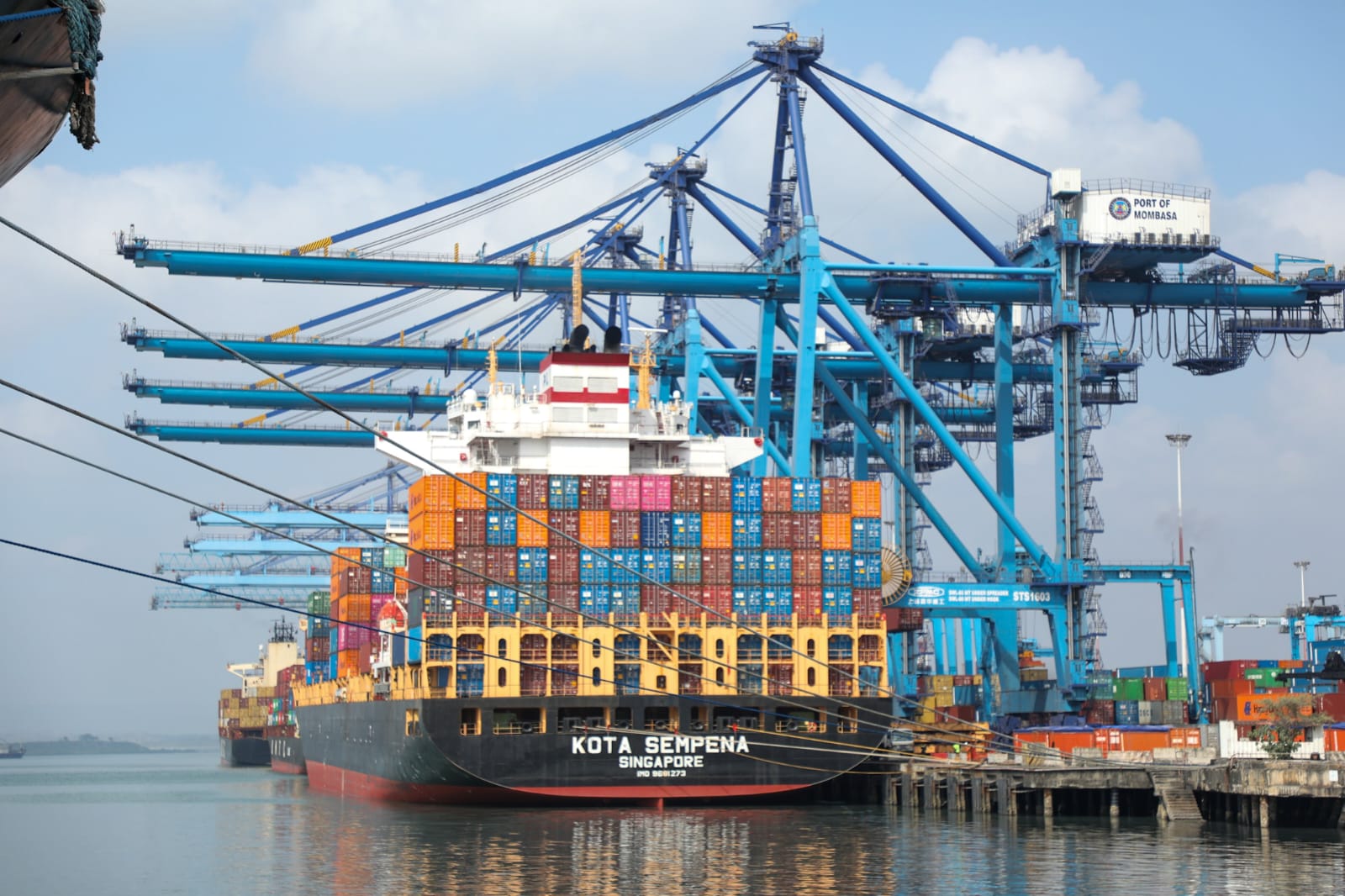
 A vessel at the Port of Mombasa /FILE
The world’s most urgent problems rarely stop at national borders. Conflict disrupts food and energy supplies far from battlefields; climate change threatens livelihoods across continents; diseases travel quickly; and advances in artificial intelligence are reshaping economies before many societies have the tools to respond.
Global governance must therefore become more inclusive, practical and responsive to the needs of all humanity.
This is why Beijing’s call to build a community with a shared future for humanity deserves serious international attention. At its heart is the recognition that countries are connected by common interests and responsibilities. The concept does not require nations to abandon their histories, systems or identities.
Rather, it invites them to cooperate where their futures meet, while respecting their right to choose their own development paths.
The Asian giant’s Global Governance Initiative, proposed by Chinese President Xi Jinping in September last year, gives this vision a framework. Its central principles include sovereign equality, the rule of international law, multilateralism, a people-centred approach and a focus on tangible results.
The initiative is presented as a way to reform and improve the existing international system, with the UN remaining at its core, rather than replacing it.
For many countries in Africa, this question is not abstract. Decisions made in international financial institutions, climate negotiations and trade forums influence public investment, jobs, infrastructure and the cost of development. Yet countries with large populations and urgent development needs do not always wild influence proportionate to their circumstances.
A fairer global system should ensure that their voices are heard early, their expertise is respected and their priorities help shape shared decisions. International institutions also need to respond more effectively to debt pressures, food insecurity, public-health risks, climate finance and the digital divide.
Developing countries need predictable access to financing and technology, alongside the policy space to pursue national goals.
China’s own development experience has made poverty reduction, infrastructure and economic transformation prominent themes in its international engagement. Its cooperation with African countries spans transport, energy, agriculture, education, manufacturing and digital technology.
The most durable partnerships are those that connect these areas to local priorities, build capacity and enable communities to participate in the benefits. Cooperation works best when partners approach one another with respect, transparency and a shared commitment to results.
Multilateralism matters because global challenges require rules and institutions that countries can use together. UN remains a vital platform where states, large and small, can deliberate on peace, development and human rights.
Strengthening it means making international law meaningful, supporting peaceful settlement of disputes and ensuring that agreed principles are applied consistently.
The next test is whether global governance can keep pace with technological change. AI could improve health care, education, agriculture and public services, but its benefits may concentrate among societies with capital, data and advanced infrastructure.
International cooperation should encourage innovation while addressing safety, privacy, skills and unequal access. Countries in the Global South must have a role in setting standards, not merely adapting to rules designed elsewhere.
Climate action presents a similar challenge. All countries share an interest in a liveable planet, but their capacities and historical circumstances differ. Effective cooperation must combine ambition with fairness, mobilising finance, technology and practical support for communities facing droughts, floods and rising temperatures.
For African economies, climate resilience is inseparable from reliable energy, food security, industrial growth and employment. International partnerships should help countries pursue these goals together rather than force them to choose between development and environmental protection.
A community with a shared future will not emerge from declarations alone. It will be built through patient diplomacy, credible commitments, consultation and measurable progress.
China, other major powers, developing countries and international institutions all have a role to play. Differences will remain, but they need not prevent cooperation on common priorities.
Ultimately, the worth of global governance should be measured by whether it makes peace more attainable, development more inclusive and human dignity more secure.
A world facing shared risks needs institutions that listen to every region and turn cooperation into practical outcomes. China’s emphasis on a fairer system offers an important contribution to this conversation.
The task now is for nations to translate the principle into action, so that shared responsibility becomes shared progress for generations to come.