

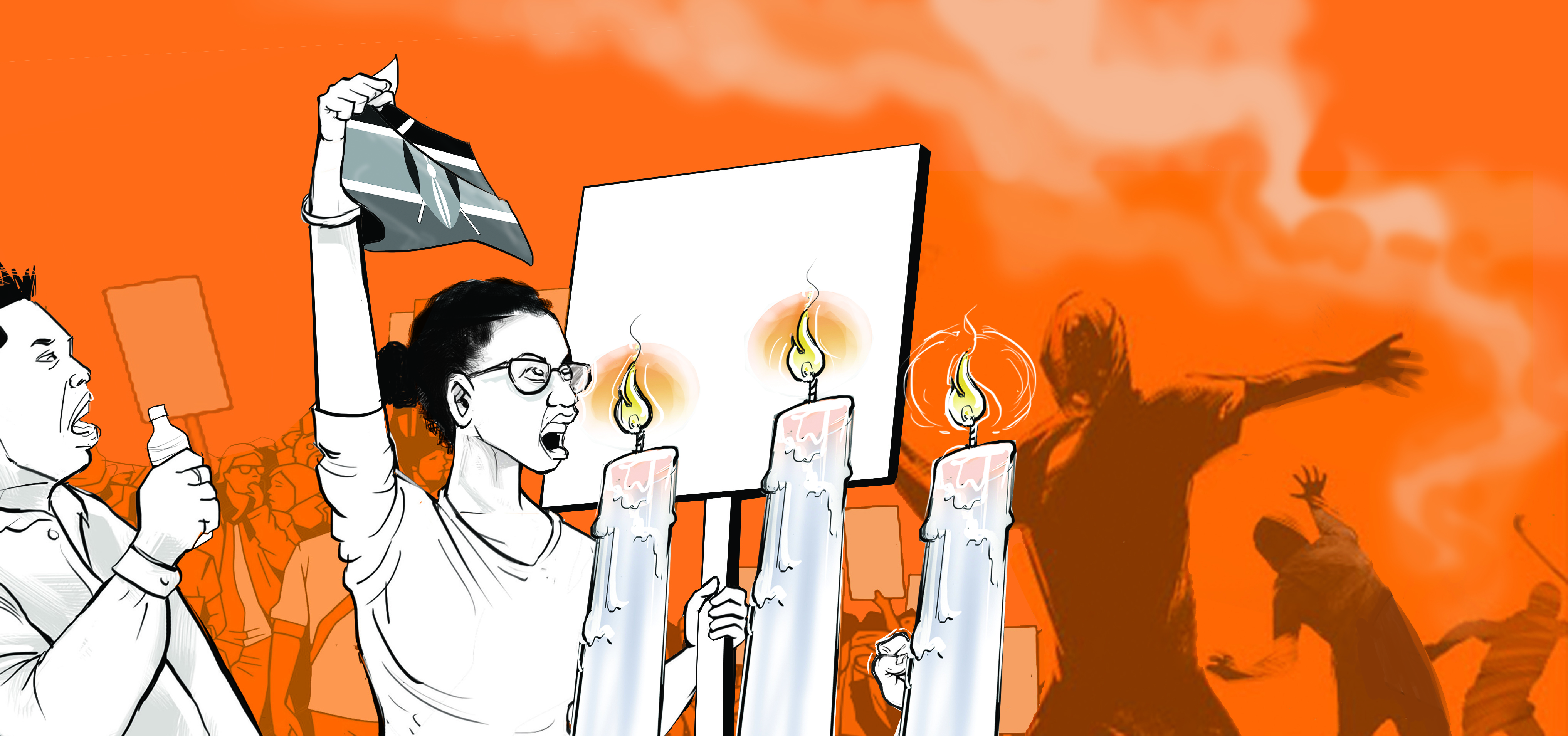
There is growing confidence among young Kenyans that their generation will determine who becomes president in 2027. Their enthusiasm deserves encouragement. The certainty with which some declare the election already settled deserves scrutiny.
The latest IEBC update reported about 2.94 million new registrations by August 20. It did not provide a separate Gen Z breakdown. We therefore cannot conclusively confirm or rebut claims that this generation is registering in record numbers and will achieve unprecedented registration before the exercise closes. Neither can we certify those claims simply because they are repeated confidently online.
The electoral commission should publish clear age breakdowns so this discussion rests on evidence. Until then, both enthusiasts and sceptics should acknowledge what we do not know.
Meanwhile, every eligible young Kenyan should register and so should every eligible older Kenyan. Registration is a basic civic duty, and encouraging it should transcend party allegiance. We should welcome increased participation without treating a voter card as a declaration of support for any particular candidate.
However, registering to vote is not the same as showing up to vote.
Kenya’s national turnout fell from about 86 per cent in 2013 to 78 per cent in the August 2017 election and 64.77 per cent in 2022. These are national figures, not verified Gen Z turnout rates. They nevertheless demonstrate why an expanding register does not automatically produce an equally expanding vote.
Allegations of rigging and mistrust of electoral institutions loom large when considering that decline. The Supreme Court’s annulment of the August 2017 presidential election spoke loudly about electoral integrity. Did the apex court’s upholding of the 2022 election results restore voter confidence that rigging is no more?
It’s a rhetorical question so we move on. The next mistake is assuming overwhelming Gen Z support can, by itself, elect a president.
Consider the following as an illustration, not a prediction. If IEBC reaches its target of about 28.5 million registered voters and overall turnout is 65 per cent, about 18.5 million ballots would be cast. If eight million registered Gen Z voters also turn out at 65 per cent, they would cast 5.2 million ballots, about 28 per cent of the total.
That would be formidable. However, it would still leave nearly three quarters of ballots coming from other voters. Even unanimous Gen Z backing would require considerable support beyond the generation to secure a presidential majority. Victory also requires at least 25 per cent of the vote in 24 counties. A candidate must build geographically broad support to get past that threshold.
Nor should we imagine Gen Z voting unanimously. Young Kenyans differ by region, livelihood, faith and political judgment. Their shared anger over governance does not erase those differences. At a 60-40 split, those illustrative 5.2 million votes would give their preferred candidate a net advantage of 1.04 million. That could decide a close contest, but it could also be overcome by the opponent’s advantage among older voters.
Or — let’s be realistic here; whether we like it or not, if an opportunity avails — and it invariably does, some a stealing will taking place; the only question is would it be subtle or thuggish.
This is why enthusiasm for Nairobi Senator Edwin Sifuna should develop into a serious strategy for winning. Whether he can assemble the wider coalition necessary to defeat President William Ruto is a separate question.
The best scenario is for Gen Z and the rest of the youth vote to organise, register, turn out and rally behind someone who actually has what it takes to win the presidency. They should base their support on a candidate’s national appeal, competence and resources to take the battle to the incumbent more than the opposition doyens did since Independence.
They should also strategise and develop lawful arrangements for observing polling and tracking results. Equally important, they along with the rest of Sifuna supporters should be vigilant against being unwitting agents of state machinery.
If the opposition agrees to select one flagbearer, and Sifuna brings Gen Z’s voice to that table, so much the better. He would help turn their growing influence into a winning coalition on the positive side of history.





