

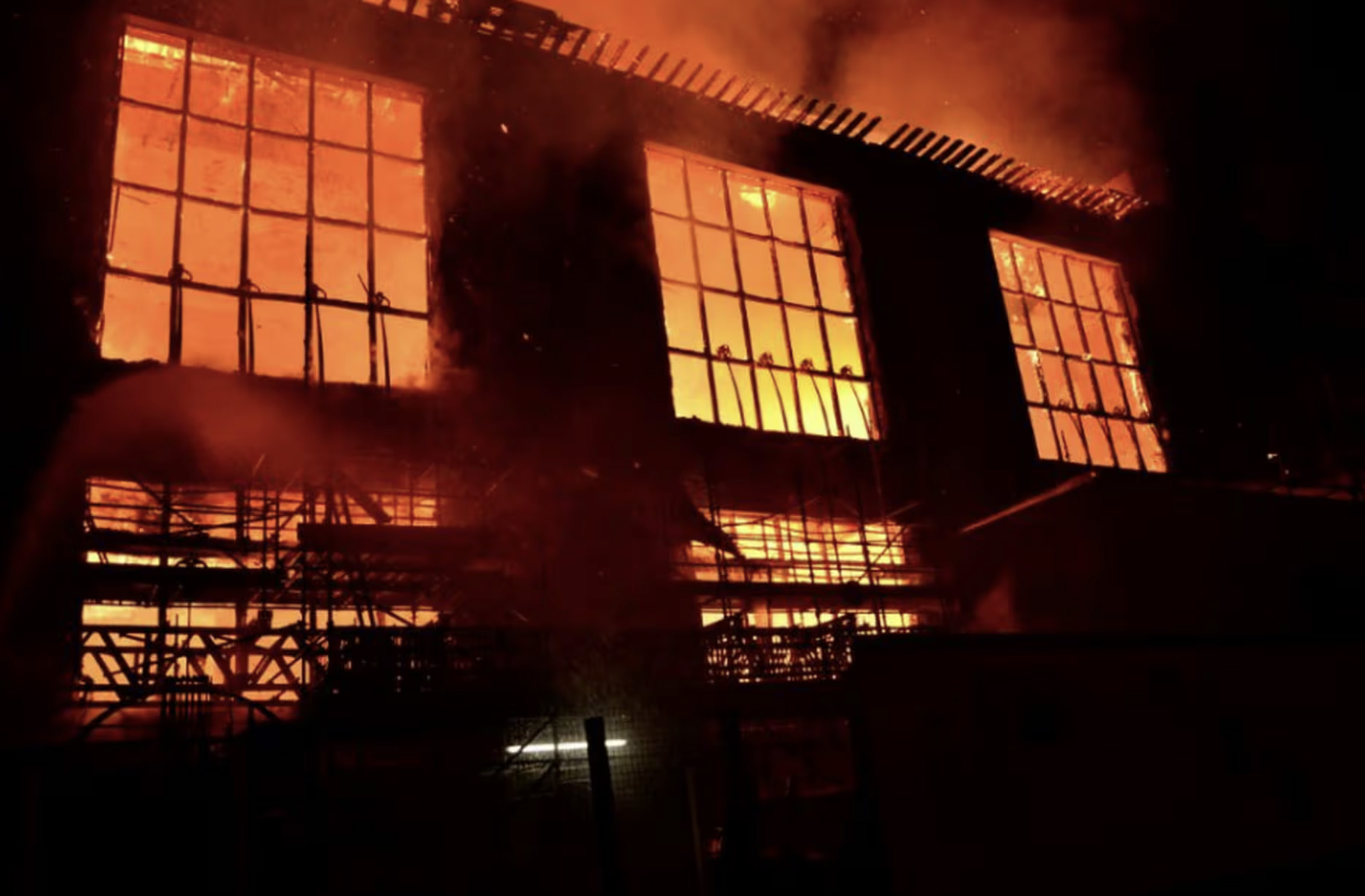
 One uncomfortable truth is that many public boarding schools are struggling to provide a conducive learning environment for students /FILE
Kenya is once again witnessing a troubling wave of unrest in its boarding schools. As of this week, at least 71 schools across the country have reportedly been closed and students sent home due to unrest, arson attacks or fears of imminent disturbances.
The fact that these incidents are being reported from virtually every region of the country demonstrates that this is not an isolated problem affecting a handful of institutions. It is a national crisis that demands urgent and honest reflection.
What is perhaps most worrying is that this phenomenon is not new. Every year, particularly during the second term, the country experiences a similar cycle of school unrest.
Dormitories are burned, property worth millions of shillings are destroyed, learning is disrupted and in some tragic instances, young lives are lost. Year after year, commissions of inquiry are formed, reports are written and promises are made, yet the problem persists.
The recurring nature of these incidents should force us to ask difficult questions. Why do these disturbances continue to happen despite repeated interventions? Why are so many students choosing destructive forms of protest? Most importantly, why are we failing to address the root causes of the problem?
One uncomfortable truth is that many public boarding schools are struggling to provide a conducive learning environment for students. The capitation provided by the government is increasingly insufficient to meet the growing cost of running these institutions.
School administrators are expected to feed, house, educate, entertain and supervise hundreds or even thousands of students using resources that simply do not match the realities on the ground.
The consequences are visible everywhere. In many schools, students complain about poor quality of food. Dormitories are overcrowded and poorly maintained. Sporting facilities are inadequate.
Entertainment and recreational opportunities are limited. Guidance and counselling services are often overstretched or ineffective. In some institutions, even basic sanitation facilities fall below acceptable standards.
A child who spends months in an environment characterised by poor living conditions, limited recreation and inadequate facilities is unlikely to be happy or motivated.
While these challenges can never justify violence, arson or destruction of property, they help explain why frustrations continue to build within student populations.
The reality is that Kenya may have reached a point where it must honestly assess whether public boarding schools remain sustainable. Successive governments have expanded access to education, a commendable goal that has enabled millions of children to attend school.
However, expansion without adequate investment has created institutions that are often unable to meet the needs of the students they serve.
We must acknowledge a difficult reality: with the current budgetary constraints facing the education sector, Kenya cannot continue pretending that it can adequately sustain a vast network of public boarding schools.
The numbers simply do not add up. Schools require more resources every year, yet funding remains inadequate. The result is a system under immense strain.
Perhaps the time has come to make a bold and unpopular decision: gradually abolish public boarding schools and transition learners to day schools wherever possible.
Boarding education should become a specialised service offered primarily by private institutions that possess the resources necessary to provide quality accommodation, nutrition, recreation, security and educational support.
This proposal will undoubtedly attract criticism. Many will argue that boarding schools offer opportunities to children from disadvantaged backgrounds or remote areas. These concerns are legitimate and must be addressed through carefully designed policies. However, we cannot continue ignoring a system that appears increasingly unable to guarantee the safety and wellbeing of the children entrusted to it.
Parents must also take greater responsibility for raising their children. Too often, boarding schools have become substitutes for parenting. Children spend the majority of the year away from home, with parents having limited involvement in their daily lives, emotional wellbeing and personal development.
Education is a shared responsibility between schools and families. Parents cannot simply hand over their children to institutions and expect schools alone to shape their character and behaviour.
Where parents choose boarding education for their children, they must be prepared to invest in institutions that can provide a genuinely conducive learning environment.
Quality boarding education is expensive because it requires adequate staffing, proper facilities, nutritious food, healthcare, recreation, security and effective student support systems. These are costs that cannot be wished away.
The most important consideration in this debate must be the safety of our children. Every year, Kenya watches as dormitories burn, students suffer injuries, families lose property and in some heartbreaking cases, children lose their lives. We issue statements of condolence, hold investigations and then move on until the next tragedy occurs. This cycle must end.
No nation should normalise annual school unrest. No parent should send a child to school only to receive news of a fire, an injury or a death. The lives of our children are too precious to be sacrificed at the altar of a failing system.
Kenya must therefore have the courage to confront this issue honestly and without sentimentality. If public boarding schools can no longer provide safe, dignified and conducive environments for learning, then reforms must go beyond cosmetic measures.
The time has come to consider the hard decision of abolishing public boarding schools and investing instead in a more sustainable, safer and effective education system.
Our children deserve nothing less.





