The country has endured school fires before, but nothing in our recent memory compares to the horror of watching young girls perish in a blaze set by their peers.
This is yet again another avoidable national tragedy, and the response will reveal whether we have learned anything from the long, painful history of preventable school disasters.
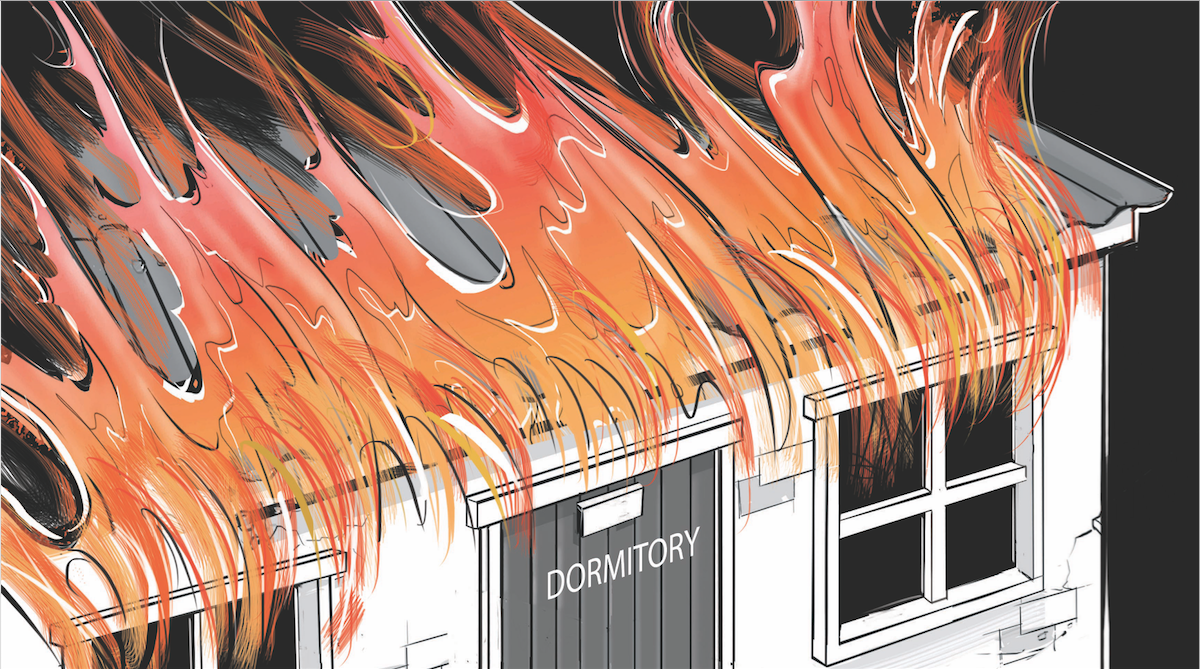
The first and most important truth is the human one. Sixteen young girls — bright, hopeful and full of promise — died in the most terrifying circumstances imaginable: trapped in a congested dormitory, engulfed by flames and smoke in the dead of night.
Their families will never be the same. Their classmates will carry trauma for years. And the country, once again, is left with grieving children who simply wanted an education.
Nothing can soften the enormity of that loss.
But the second truth is the one that has left the nation in disbelief: the primary suspects are fellow female students. Kenya has seen school arson before, but the involvement of a group of girls in a coordinated, fatal attack on their peers is unprecedented.
It challenges long‑held assumptions about gender, conflict and violence in school settings. It forces us to confront uncomfortable questions about what is happening inside our boarding schools — socially, psychologically and institutionally — that could produce such an outcome.
To understand the magnitude of this moment, we must place it in historical and global context.
Kenya’s record of school fires is grim: the 2001 Kyanguli Boys tragedy that killed 67 students, the 2017 Moi Girls Nairobi fire that claimed 10 lives and dozens of smaller incidents over the years.
But deadly arson executed by female students against fellow students is something the country has never seen. Globally, mass‑casualty arson in girls’ boarding schools is exceedingly rare.
What happened in Gilgil is not just another entry in the OB following tragedies like this; it is an international outlier that demands a deeper reckoning.
That reckoning must begin with institutional failure. According to reports, the dormitory was severely overcrowded, one of the exit doors was locked from the outside and fire safety protocols were either ignored or nonexistent.
And perhaps most damning, there are further reports that some teachers and administrators had prior knowledge of unrest or a brewing plot but failed to act.
If confirmed, this would represent a catastrophic breach of the school’s duty of care. Children died not only because someone lit a match, but because the systems meant to protect them were absent, broken, or willfully neglected.
Justice must follow. Age cannot be a shield against accountability for those found to have planned and executed an act that resulted in mass death.
At the same time, the process must be thorough, forensic and transparent. The families of the victims deserve nothing less than a full, credible investigation that establishes the truth and ensures that those responsible — students or adults — face the consequences prescribed by law.
But justice alone will not prevent the next tragedy. The government must finally confront the systemic failures that make our boarding schools vulnerable. Dormitory safety codes must be enforced without exception.
Barred windows, locked exits and overcrowded sleeping quarters must be outlawed in practice, not just on paper. School boards and administrators who ignore safety regulations should face serious disciplinary and legal consequences.
And we must invest in mental health support, conflict‑resolution training and communication channels that allow student grievances to be addressed before they metastasise into violence.
Finally, mandatory, state‑monitored fire drills must become a non‑negotiable requirement for every boarding school in the country. Students should not be learning how to escape a burning building for the first time while it is burning.
Sixteen girls are gone. Their deaths must not become another statistic in Kenya’s long list of preventable school tragedies. The country owes them truth, accountability and reform — not tomorrow, not eventually, but now.