Kenya’s proposed Finance Bill 2026 has triggered widespread debate across the country, with youth groups, traders, and business owners warning that the new tax measures could deepen the cost-of-living crisis and lock more young people out of the digital economy.
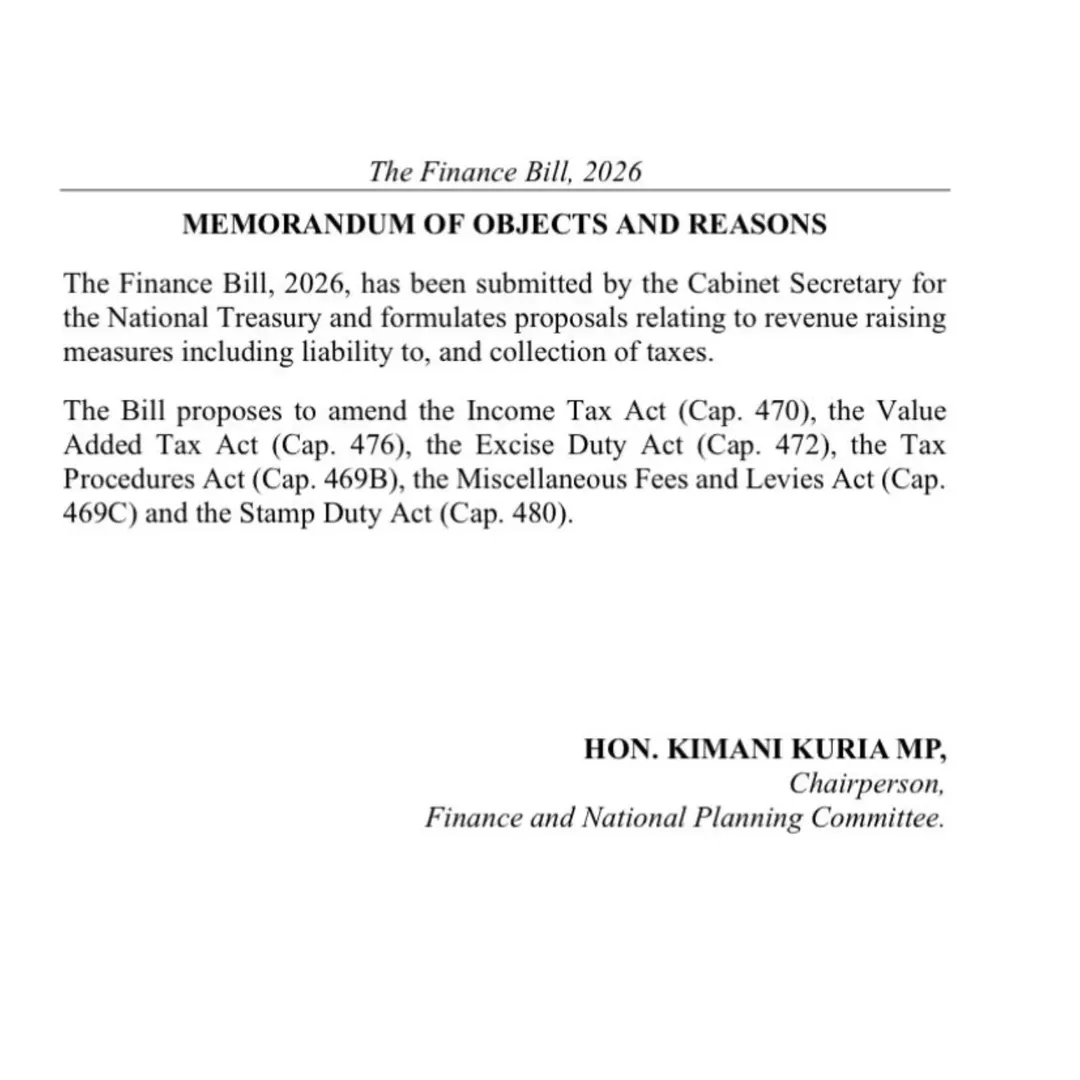
The Bill, now before the National Assembly for public participation, introduces several tax proposals targeting mobile phones, second-hand clothing imports, digital transactions, and online financial systems.
Read Also
 Treasury Cabinet Secretary John Mbadi
Proposed Phone Tax Sparks Youth Concerns
One of the most controversial proposals is a planned 25 per cent excise duty on mobile phones and communication devices.
Mitumba Sector Faces New Tax Pressure
The Finance Bill also introduces a presumptive tax framework targeting imported second-hand clothes, commonly known as mitumba.
Under the proposal, imported clothes would attract VAT at the port before tax authorities assume a fixed profit margin and impose income tax upfront.
Traders at markets such as Gikomba fear the additional taxes will eventually be transferred to ordinary consumers through higher clothing prices.
The mitumba sector supports thousands of informal traders and remains one of the main sources of affordable clothing for low and middle-income families.
The mitumba sector supports thousands of informal traders and remains one of the main sources of affordable clothing for low and middle-income families.
 Treasury Cabinet Secretary John Mbadi
KRA Expands Oversight on Digital Transactions
The Bill also reflects the Kenya Revenue Authority’s growing push to widen the tax base through digital monitoring systems.
Recent reforms propose stronger integration between KRA systems, M-Pesa, and other digital payment platforms to improve real-time tax collection and compliance.
At the same time, cryptocurrency and virtual asset platforms may now be required to share transaction data and user information directly with KRA under proposed regulations linked to the Virtual Asset Service Providers Act 2025.
Some small business owners and online workers say the growing monitoring powers raise fears about over-taxation and tighter surveillance of already struggling businesses.
Memories of 2024 Protests Still Fresh
The debate comes less than two years after the deadly 2024 anti-Finance Bill protests that saw thousands of young Kenyans take to the streets over taxation and economic hardship.