Former NACADA chairman John Mututho has sparked fresh debate over the quality and authenticity of vodka sold in Kenya, claiming that no locally available vodka meets internationally accepted standards.
Speaking during an interview on NTV, Mututho made a strong assertion that could raise concerns among consumers, manufacturers and regulators in the alcoholic beverages industry.
Mututho claimed that Kenya does not currently have genuine vodka that conforms to internationally recognised standards.
“There’s no genuine vodka in Kenya. If you want to sell vodka, then you must conform to the internationally accepted standards of vodka,” he said.
His remarks have put the spotlight on how spirits marketed as vodka are produced, processed and regulated in the country.
Vodka is generally expected to meet specific requirements relating to its production, alcohol content and composition. Mututho’s comments therefore raise questions about whether all products sold under the vodka label comply with the standards expected of the drink internationally.
Advertisement
Advertisement
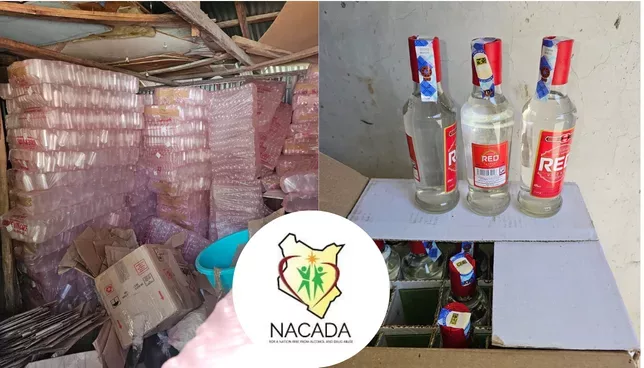
Counterfeit Vodka // NACADA
Claims Over Industrial Ethanol Imports
Mututho also made claims about the supply of industrial ethanol in Kenya, alleging that one company imports as much as 80 per cent of the industrial ethanol consumed in the country.
According to him, the ethanol is subsequently distributed to various manufacturers, making the supply chain a significant factor in the production of alcoholic beverages.
The allegation, if substantiated, could raise broader questions about competition, regulation and oversight within Kenya’s ethanol market.
Allegations of Dilution and Repackaging
Mututho further alleged that some manufacturers take industrial ethanol, dilute it with water, add flavours and then package the resulting products under different brand names.
Such claims are likely to attract attention because of the potential implications for consumers and the wider alcoholic beverage industry.
The production and sale of alcoholic drinks are subject to regulatory requirements intended to protect consumers and ensure that products meet prescribed safety and quality standards. Any suggestion that manufacturers may be bypassing those requirements could therefore trigger calls for greater scrutiny.
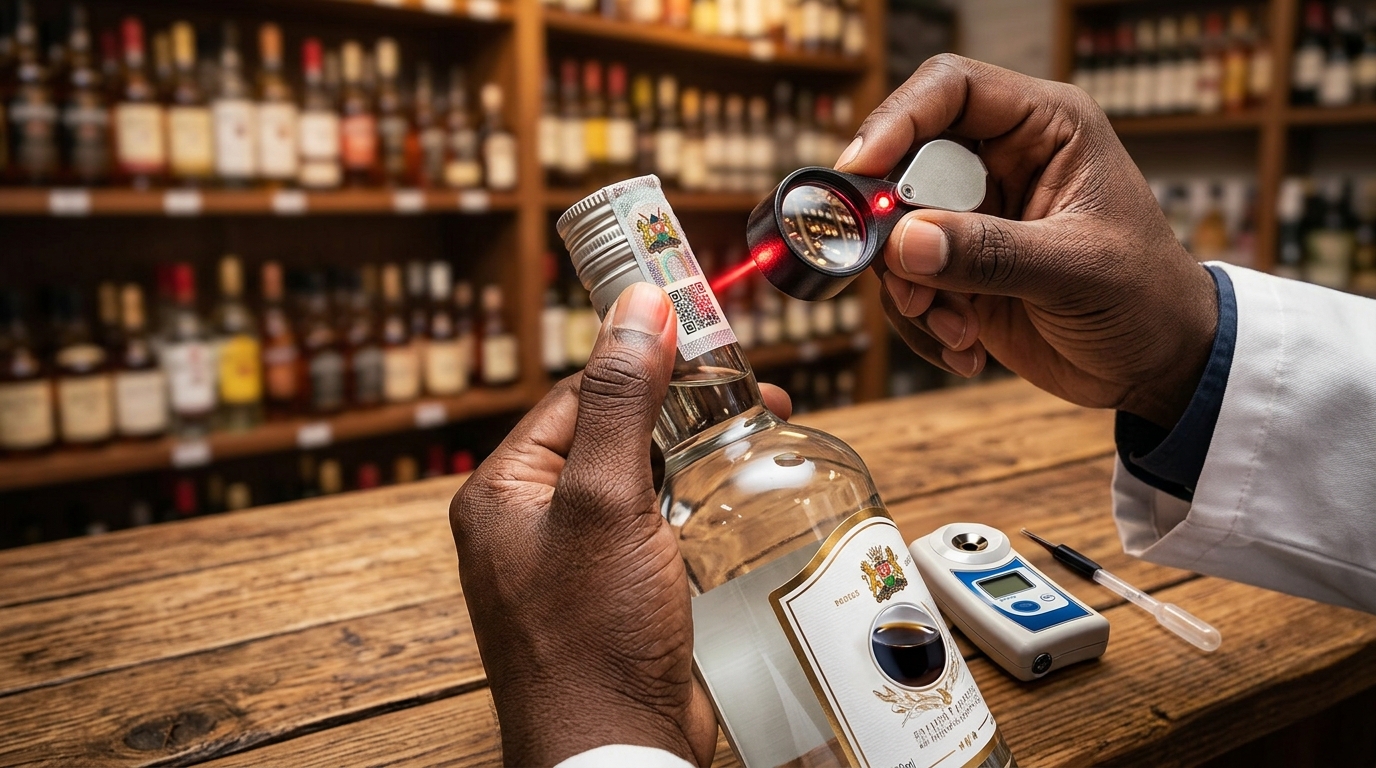
Counterfeit Vodka // Gemini
Calls for Closer Scrutiny
Mututho’s allegations have placed renewed focus on the need for effective monitoring of alcoholic beverages in Kenya, from the importation of raw materials to manufacturing, packaging and distribution.
However, the claims made during the interview are allegations and would need to be independently verified by the relevant authorities and industry regulators.
For consumers, the controversy highlights the importance of buying alcoholic beverages from legitimate outlets and paying attention to product labelling and regulatory markings.
As debate over the quality of spirits in Kenya grows, Mututho’s remarks could reignite calls for regulators to conduct thorough checks on products marketed as vodka and establish whether they meet both Kenyan and internationally accepted standards.