 With abundant solar resources and accelerating innovation, the continent can lead a decentralised revolution one that lights homes /AI
In the vast, sun-drenched landscapes of sub-Saharan Africa, a profound shift is underway, one that could rewrite the continent’s development story. More than 666 million people worldwide still live without electricity, and this region bears the brunt of that deficit, with 18 of the 20 countries facing the widest access gaps.
Without urgent acceleration, the UN goal of universal energy access by 2030 may be missed. Yet the challenge also presents an opportunity: decentralised, community-led clean energy can deliver not only power, but lasting economic transformation and climate resilience.
For many years, it has been difficult for centralised grids to reach remote villages: extending transmission lines across rugged terrain is costly, slow and often unsustainable. Distributed renewable energy mini-grids, off-grid solar and smart integrated systems offer a faster, more adaptable route.
These solutions can bypass legacy bottlenecks and bring reliable electricity directly to homes, schools, clinics and small businesses, turning energy from a scarce commodity into a catalyst for local prosperity.
But energy access must be inclusive and holistic: providing kilowatts is not enough. Progress depends on pairing clean power with skills, entrepreneurship and community ownership. Programmes that combine electricity with vocational training, support for local enterprises and impact-focused investment tend to outperform “hardware-only” approaches.
When communities can use energy productively, benefits compound higher incomes, reduced migration, greater opportunity for women and stronger local economies.
A useful reference point is the “Climate Smart Villages” model: integrated solar systems designed around local needs. In rural India, an 85KW solar installation has powered irrigation, processing, public servicesand micro-enterprises across two villages.
Within four years, farmers shifted to higher-value crops and household incomes doubled; seasonal migration fell and women’s economic participation rose.
The environmental dividend is also clear: about 60,000kg of carbon emissions avoided each year. The lesson is practical: decentralised energy can drive measurable development while supporting sustainability.
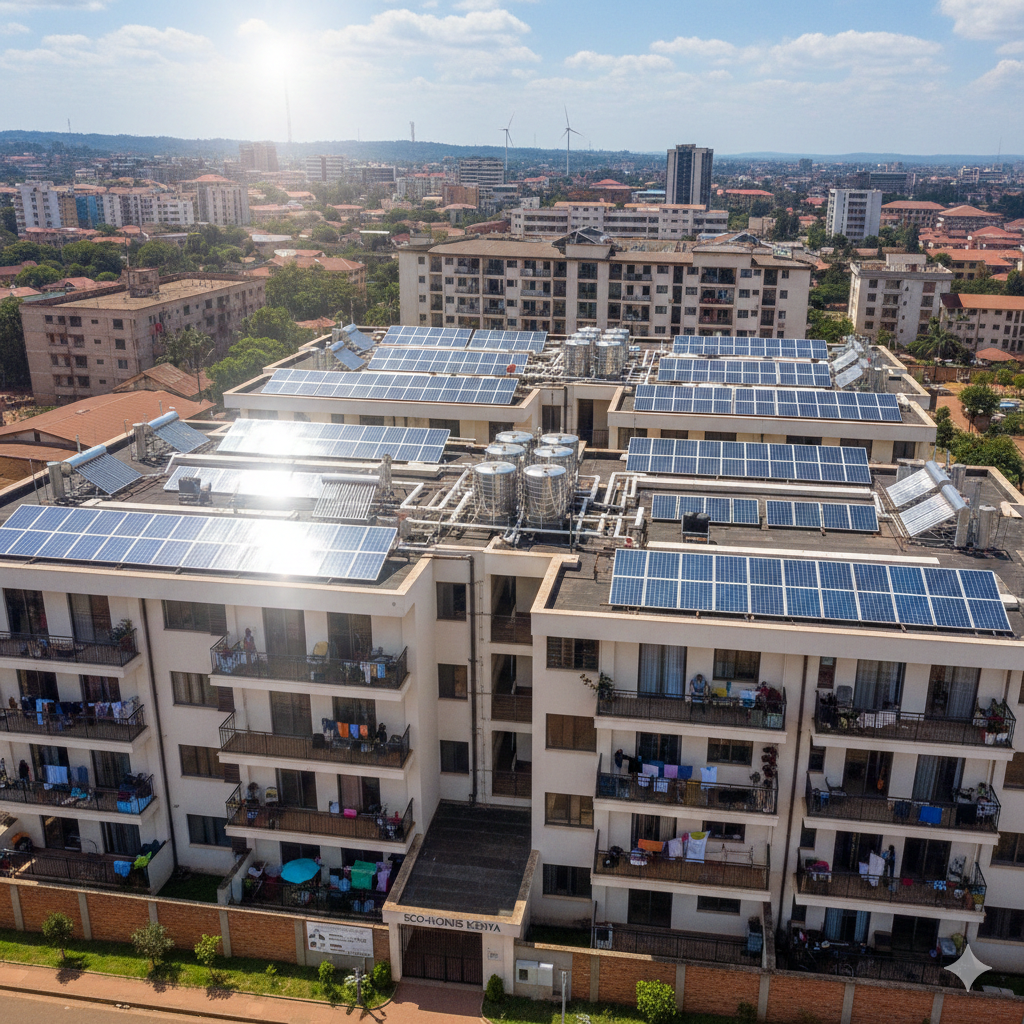
Sub-Saharan Africa can adapt and scale similar approaches. Solar home systems and mini-grids are already lighting last-mile communities, keeping health facilities operational, extending learning hours and enabling entrepreneurs to work after dark.
Complementary technologies such as solar-powered water pumps that optimise performance based on available sunlight are boosting agricultural productivity, improving water access and strengthening food security.
Digital monitoring strengthens these systems by providing real-time insights that improve reliability and asset life-adjusting pump speeds or managing distribution can maximise output in variable conditions.
Together, these innovations support a broader shift toward “energy democracy” community-driven models in which local governance grows and more value stays in the local economy, improving access, affordability and reliability while aligning with climate goals.
Scaling decentralised power requires more than technology. It demands collaboration among governments, development partners, investors and communities plus policies that enable mini-grids, clear regulations and innovative financing (including blended capital and impact investing).
Capacity-building must remain central to training local technicians, supporting women-led enterprises and integrating energy projects with livelihood programmes.
The stakes are high. Reliable, affordable clean energy is a foundation for the Sustainable Development Goals, powering education, healthcare, agriculture and enterprise. In sub-Saharan Africa where demographic momentum is immense and climate vulnerability acute, getting this transition right can unlock decades of inclusive, low-carbon growth.
Africa’s energy future need not be defined by deficit. With abundant solar resources and accelerating innovation, the continent can lead a decentralised revolution one that lights homes, lifts livelihoodsand strengthens resilience.
The momentum is already visible in remote communities; the question is how quickly leaders, investors and citizens can scale what works.
The country president for Schneider Electric East Africa