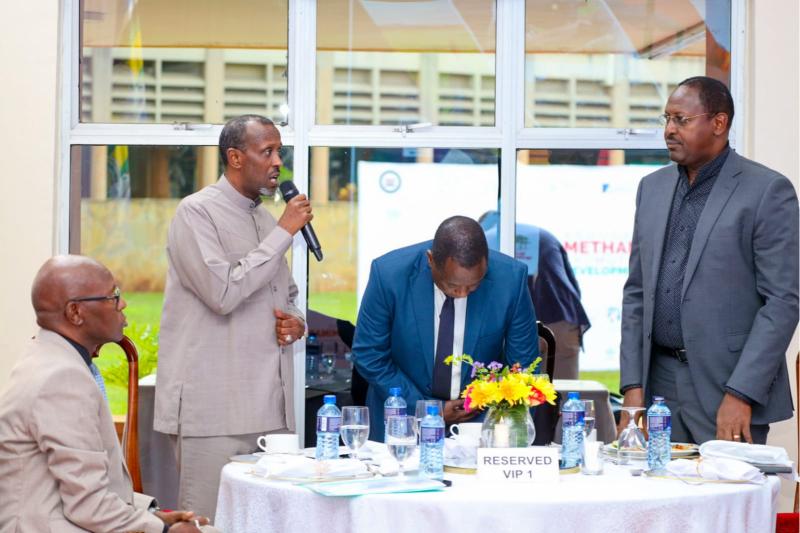
African parliaments in climate action to hold a regional summit to explore policies and legislation to reduce methane emissions while promoting sustainable development./HANDOUT.
Kenya seeks to cut livestock methane emissions as demand for meat and dairy rises
Kenya is stepping up efforts to make livestock production more climate-smart as rising demand for meat, milk and eggs continues to put pressure on the sector and the environment.
Livestock Principal Secretary Jonathan Mueke noted that improving animal productivity, feed quality and breeding systems will be key in reducing methane emissions while boosting food security and farmers’ incomes.
He said the government has intensified efforts to reduce methane emissions from the livestock sector even as demand for meat and dairy products continues to outpace supply across the country.
“Livestock production remains a critical socio-economic activity in Kenya, especially in Arid and Semi-Arid Lands (ASALs), where it serves not only as an economic asset but also as a source of cultural identity, resilience and social stability,” he noted.
Mueke said the dairy value chain currently supports more than 1.8 million households, while over four million households keep small livestock such as goats, sheep, poultry and pigs, contributing significantly to household incomes, nutrition and food security.
“The Government has instituted targeted interventions aimed at increasing the livestock sector’s contribution to national GDP from 12 percent to 20 percent by 2032 through climate-resilient livestock production, value addition and strengthened market systems,” he said.
According to the State Department of Livestock Development, demand for red meat currently stands at 1.314 million metric tonnes against a supply of 848,475 metric tonnes. Demand for chicken meat is estimated at 170,000 metric tonnes while supply stands at 63,438 metric tonnes.
The country is also facing a deficit in egg production, with demand standing at 162.4 million trays compared to a supply of 94.9 million trays.
Mueke noted that more than 85 percent of Kenya’s landmass is classified as ASALs, which host over 70 percent of the country’s livestock. In medium- and high-potential areas, mixed crop-livestock farming systems continue to play a central role in supporting food systems and rural livelihoods.
However, he warned that livestock production also contributes significantly to greenhouse gas emissions, particularly methane and nitrous oxide, which accelerate global warming.
“Livestock production must be undertaken within the context of national development goals while ensuring the sector contributes to Kenya’s commitment to low-carbon and climate-resilient development,” said the PS.
Agriculture accounts for 31 percent of Kenya’s total greenhouse gas emissions, with livestock contributing about 28 percent of national emissions and over 90 percent of agricultural emissions.
Mueke explained that enteric fermentation, the digestive process in cattle, accounts for 96 percent of livestock methane emissions. A further two percent comes from anaerobic manure management systems, while another two percent is linked to nitrous oxide emissions from decomposing manure.
“The livestock sector is estimated to produce more than 70 percent of Kenya’s methane emissions,” he said.
He attributed the high emission levels to poor-quality feeds, low genetic potential of livestock breeds, poor animal health and degradation of rangelands.
Mueke warned that methane emissions from livestock are projected to increase if these challenges are not addressed.
“In the short term to 2030, total emissions from the livestock sector are expected to increase by 49 percent from the current level of 31 million tonnes of carbon dioxide equivalent,” he said.
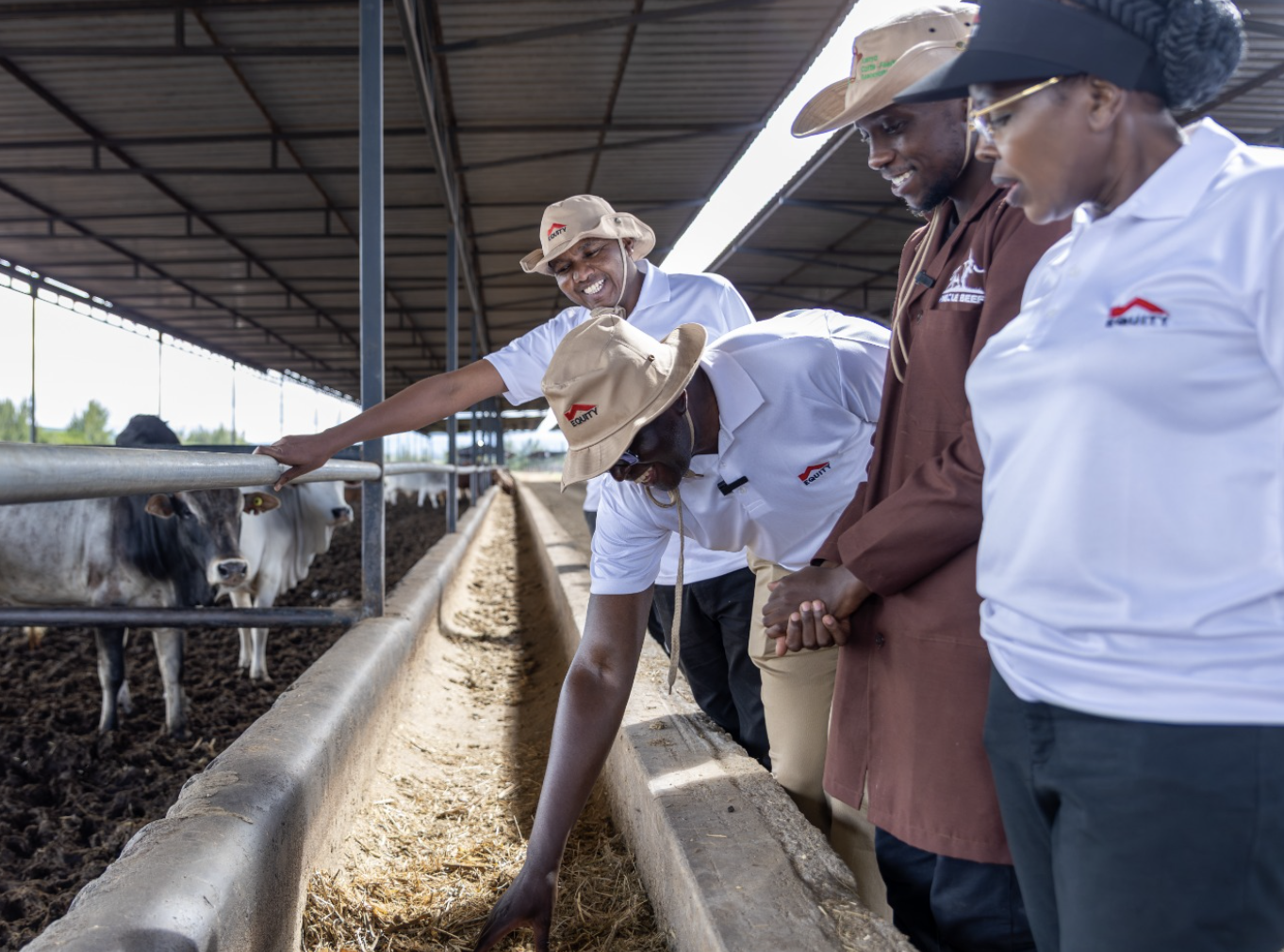
To address this, the PS said the government is focusing on reducing emission intensity rather than reducing livestock numbers. The strategy aims at lowering emissions associated with producing one unit of milk, meat or eggs by improving productivity, efficiency and animal health.
“This approach emphasizes improving productivity rather than reducing livestock numbers,” said Mueke.
In December 2023, Kenya joined the Global Methane Pledge during the COP28, committing to cut methane emissions by 30 percent by 2030.
Under its Nationally Determined Contributions framework, Kenya also pledged to reduce greenhouse gas emissions by 32 percent below business-as-usual levels by 2030 as part of its commitments under the Paris Agreement.
Mueke said Kenya has already secured a Sh5.4 billion (USD 42 million) grant from the Green Climate Fund to pilot a livestock methane reduction programme in 12 counties under the wider East Africa Programme.
The funding will support the Dairy Interventions for Mitigation and Adaptation (DaIMA) Project, which seeks to reduce emissions from the dairy sector by 20 percent by 2032. The project will focus on improving livestock genetics and breeding, feeds and feeding systems, animal health, manure management and reduction of milk losses.
“The aim is to enhance the productivity of dairy animals while reducing the carbon footprint of dairy products,” said Mueke.
He added that another livestock initiative known as TWENDE is also supporting methane reduction through ecosystem restoration, improved forage quality and better grazing systems.
John Mutunga, chairperson of the National Assembly Agriculture and Livestock Committee, called for stronger legislation to support methane reduction efforts in the sector.
Mutunga said agriculture contributes significantly to methane emissions globally, with livestock accounting for nearly one-third of the emissions.
“There is need for appropriate legislation to cover breed and varietal improvements, feed quality, animal health and livestock management systems including feed and waste management,” he said.
The Parliament of Kenya in partnership with the Inter-Parliamentary Union (IPU), an association or Parliaments worldwide had organized a regional seminar for African Parliaments on Climate Action, Reducing Methane Emissions and Promoting Sustainable Development which is scheduled to take place form 15-17 May, 2026.
The meeting seeks to strengthen the role of African parliaments in climate action by exploring policies and legislation to reduce methane emissions while promoting sustainable development.

Comments 0
Sign in to join the conversation
Sign In Create AccountNo comments yet. Be the first to share your thoughts!