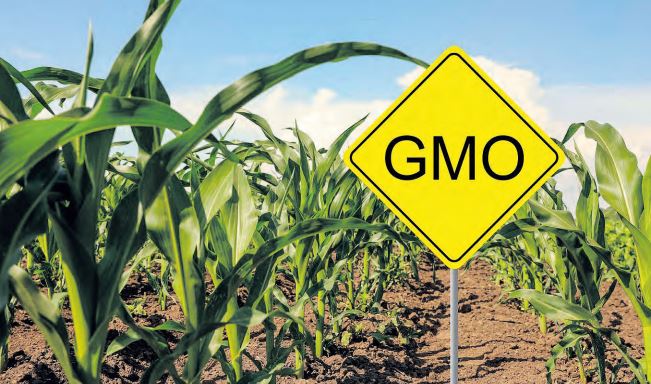
 Genetically Modified Organisms (GMOs)
Kenyan scientists have begun early-stage research into genetically modified (GMO) cattle.
The move targets persistent challenges in the livestock sector, such as climate stress, disease outbreaks, low feed efficiency and environmental impact.
The development was revealed during a GMO panel at the 60th Congress of the Kenya Veterinary Association in Ukunda, Kwale.
According to the Kenya University Biotechnology Consortium (KUBICO), researchers are working with local and international partners to explore genetic engineering approaches that could improve the resilience and productivity of indigenous breeds.
KUBICO secretary general Joel Ochieng, who also leads the Agricultural Biotechnology Programme at the University of Nairobi, said the push is driven by rising demand for animal protein amid mounting production constraints.
“Kenya’s population is projected to exceed 60 million by 2030, increasing demand for milk and meat. However, livestock productivity remains low due to disease burden, poor-quality feeds and climate shocks,” he said.
Livestock contributes about 12 per cent of Kenya’s GDP and supports more than 60 per cent of rural livelihoods, according to government data.
However, the sector loses billions of shillings annually to diseases such as foot-and-mouth disease and tick-borne infections, while feed accounts for up to 70 per cent of production costs.
Globally, the Food and Agriculture Organization estimates that livestock supply chains contribute about 14.5 per cent of human-induced greenhouse gas emissions, increasing pressure to develop more climate-efficient production systems.
Ochieng said genetic engineering, alongside conventional breeding, could help develop animals that grow faster, convert feed more efficiently and are more tolerant to heat and disease.
“Climate variability is already disrupting production systems. Droughts, failed rains and floods are becoming more frequent. Biotechnology offers complementary solutions, including animals that can better withstand these stresses,” he added.
Kenya has already adopted some genetically modified crops, including Bt cotton, which is now commercially grown.
Researchers noted that about 60 per cent of cotton by-products are used in edible oil and animal feed, with the rest going into textile production.
However, GMO adoption remains contentious. A case challenging the cultivation of Bt maize is still before the courts, despite the government lifting a decade-long ban on GMOs in 2022. A ruling is expected soon.
Agriculture Cabinet Secretary Mutahi Kagwe has in the past defended the technology, saying it could significantly boost food security if properly regulated.
He pointed to the need for rigorous, locally driven research to ensure safety, rather than reliance on imported technologies.
Kagwe has also cited ongoing legal challenges as a key barrier slowing the adoption of GMOs, even as climate change, pests and high input costs continue to strain agricultural productivity.
Scientists, however, maintain that Kenya has a robust regulatory framework under the National Biosafety Authority, which oversees the entire development process, from laboratory research and confined field trials to environmental release and post-market monitoring.
“GMO products in Kenya are developed under strict regulatory oversight, with the NBA involved from inception through to commercialisation,” Ochieng said.
As climate shocks, rising production costs and global supply disruptions continue to strain food systems, the researchers argued that innovations such as GMO livestock could play a critical role in strengthening Kenya’s food security.