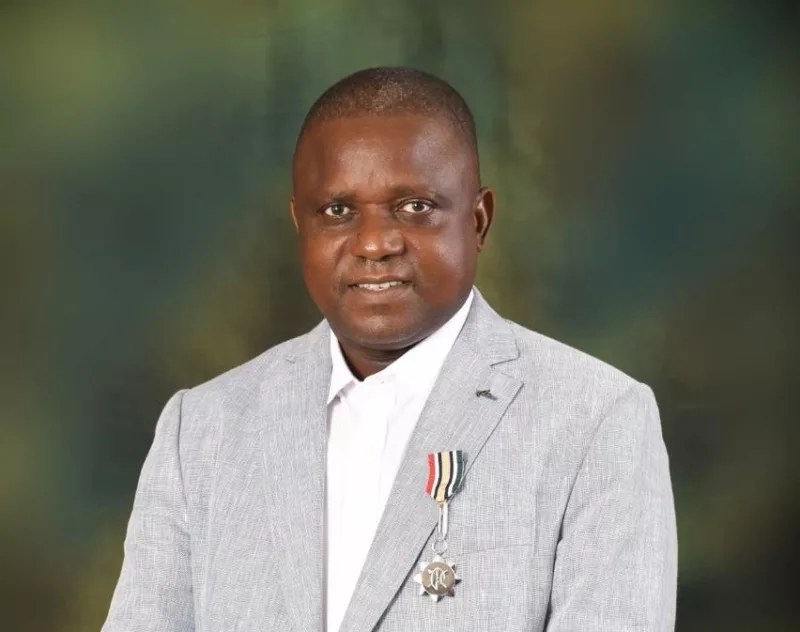
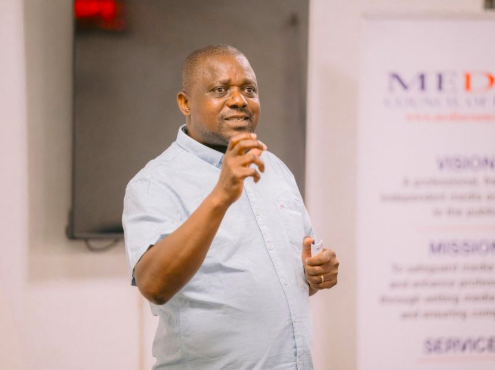
 Victor Bwire /FILE
The politics of the stomach, convenience and opportunism seem unending in our country as recently seen across the country by some elected and opinion leaders is irritating.
It's contributing in a big way, why the youth seem not interested in registering and voting in the periodic general election.
While they are participating and contributing to national conversations and governance through largely digital platforms, they seem unwilling to participate in elections physically.
Politics in our country seem still dominated by noise, cheering and deal-making more than coordinated and deliberate civic and voter education/persuasion that would induce people, especially the youth to get involved.
Our politics is still based on brick and mortar thinking and promises rather than knowledge transfer and skills building the youth need, for now and the future. It gives the fish and not teach how to fish.
Several commentators have noted that the political life of Kenya has always been marked by ethnicity in the formation of political groupings largely dominated by the five big tribes without any firm ideology, large scale abuse of rule of law and everlasting concentration of power in the hands a of a few individuals and institutions.
The system perpetuates a culture of creation and reformation of ethnic alliances for the purpose of electoral contests and not necessarily for leading the country to a better place.
It’s a very routine processes, many times does not inspire people to participate, as increasingly seen in the voter apathy, low numbers of people especially the youth, low voter turnout, and where legislators are rated more on doing infrastructure projects through CDF rather than performance in parliament through legislation, oversight and representation.
The implementation of the political parties and Elections Acts has not been without challenges and as such we likely to see the same individuals and parties dominate both the county, national and senate systems for several years.
The legal regime has largely to put in place structures that would instill discipline amongst the politicians so that we at least bring sanity in the political/economic spheres of the country, but enforcement is always a thorn in the flesh.
Our political parties while big in names largely operate like personal fiefdoms of certain founding politicians. Many of political parties remain dormant between elections only to resurface during elections.
Few of the parties abide by the law, which provided for proactive publication of information about political party’s operations, membership expenditures and source of funds.
As it stands now, politics in Kenya tend to be dictated by those who fund the ruling party to enable it to ascend into leadership.
This has created a situation where those who come into power serve the interests of their funders hence political accountability is to those who finance the parties and not to the citizens.
Women and marginalized groups including the youth, people with disability and women remain underrepresented at all levels across political parties, which has led to further marginalization.
It’s something we had hoped politicians have graduated from at this time and age, and that they would be politically scheming with skill and honour, to build a country desirable by Kenyans, but as it’s we are still in politics of insults, push and shove and more dangerous, politics of lies.
Political realignments, strategizing and planning happen daily in the lives of political leaders, but to be paraded publicly and made to declare how one will sell his tribe for political gains is a bit embarrassing.
And keenly looking at the groups that are engaging in such will reveal a group of political guys, religious leaders and families that have since independence lived off cheating and manipulating members of their tribes and Kenyans in general for their individual gain.
As we move towards the 2027 election, voters need to ask themselves very hard questions about our leaders and the political parties we choose to belong to.
Outside the mere perception that the leaders seeking our votes will be standing on a party perceived to be controlled by our tribe, do we belong to political outfits built on ideology and foundations we believe in and support, or merely led by people we think and saw in the media showing off money and associating with certain individuals.
It would be interesting to let voters evaluate the performance of these tribal leaders, and leaders who are chosen not because of their individual performance, character and standing instead of political/tribal hoarding that has marked our past voting patterns.
We need capable candidates from Presidential, Senators, MPs, Governors, and MCAs for each of the political parties who will add value to the lives of Kenyans, and not merely candidates endorsed by political parties or clans in our regions. Several regions are serious suffering because of these elections hoarding.
How many of these politicians and party leaders consult others including their voters before declaring publicly on where they have sold their party members or tribes?
The fact these politics of the stomach are happening, and our media is giving them full coverage has denied the voters the chance to interact and understand party policies and manifestos and engage party leaders substantively and even compare merits and demerits of various party manifestoes.
We are perpetuating the narrative that we simply have voting machines and not voters doing it from any informed point of view as would be expected.
Let’s build political groupings founded on ideologies, common thinking and strong foundations of service leadership instead of this coalition of filling our stomachs and individual needs.
Let’s do our political dealings with dignity and respect and not necessarily show our communities as on the brink of collapse by way of parading ourselves as desperate individuals.