
As African nations increasingly assert their sovereignty by reducing foreign military footprints, Kenya appears to be moving in the opposite direction.
By ratifying a new Defence Cooperation Agreement with France while continuing to host British and American forces, Nairobi risks deepening external influence at the expense of its autonomy.
Several experts have raised important concerns about the implications of Kenya’s growing foreign military ties.
Reflections point to a troubling possibility: that the country may be compromising its sovereignty, entrenching impunity for foreign forces, and isolating itself from a broader African movement toward greater independence.
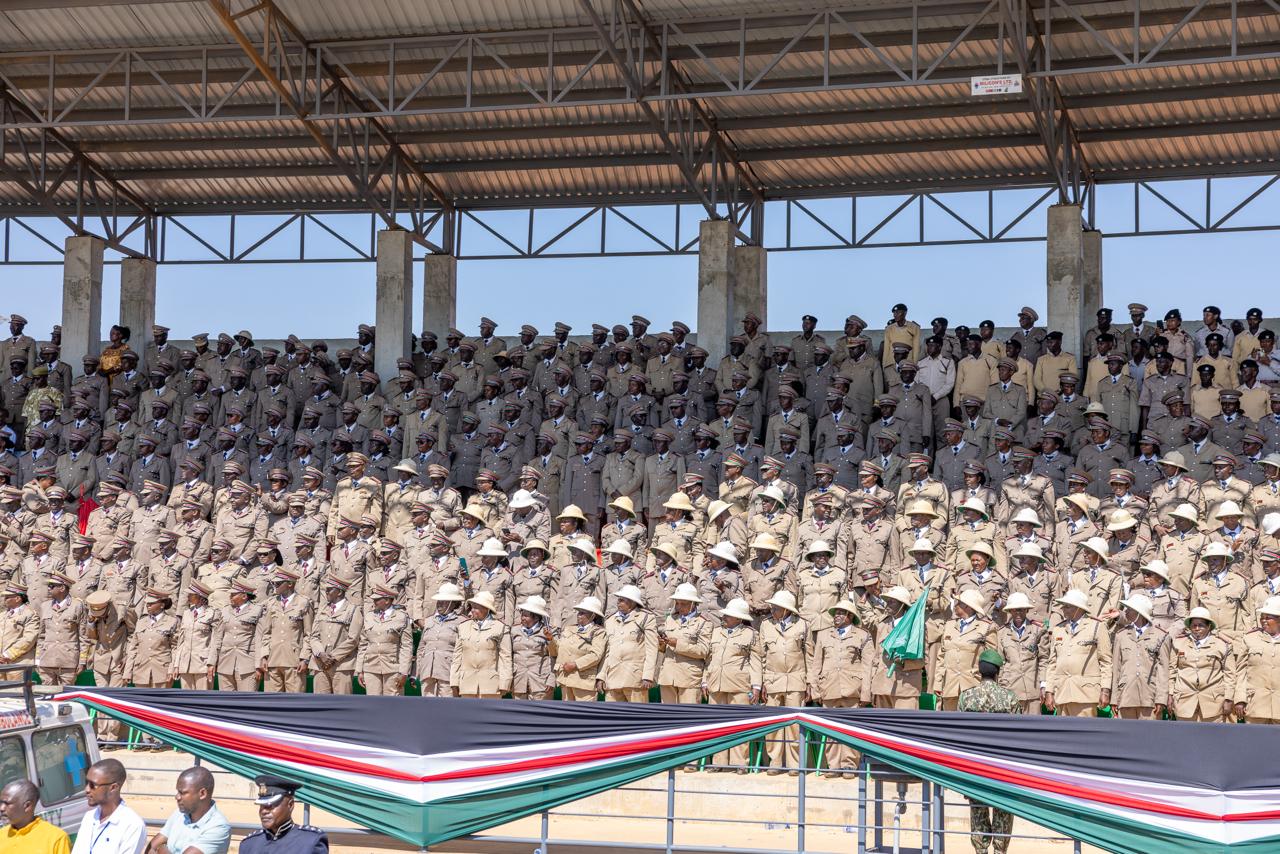
At a time when many African nations, particularly in the Sahel region, are deliberately reducing or expelling foreign military presence to reclaim their sovereignty, Kenya is broadening its exposure. Parliament’s approval of the Defence Cooperation Agreement with France adds another layer of foreign military involvement to an already significant British (BATUK) and American presence.
This decision sharply contrasts with regional trends and raises fundamental questions about whether Kenya is strengthening its security or quietly eroding its hard-won independence.
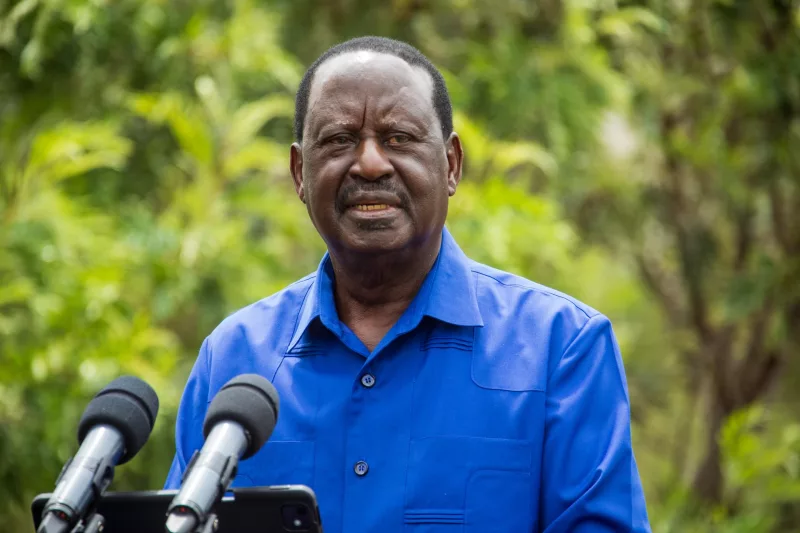
Belgut MP and Chairperson of the Defence, Intelligence and Foreign Relations Committee, Nelson Koech, explains the rationale behind such agreements: “First, we must understand the sole aim of these multilateral security arrangements between Kenya and foreign nations. Just like any other country, Kenya's entry into a defence cooperation agreement and hosting of foreign troops must be viewed and understood within a broader framework of security operations."
"Kenya has defence cooperation agreements with the UK and the US, and it should not come as a surprise to see countries like France, China, and even Russia joining that list. These partnerships are often anchored in formal agreements that define the scope of engagement, training objectives, and jurisdictional limits and should not be viewed as a surrender of sovereignty.”
He adds that Kenya’s strategic position exposes it to threats such as terrorism, maritime insecurity, and transnational crime, making collaboration with advanced militaries valuable for training, intelligence sharing, and modernisation.
Yet Koech also cautions that “Kenya’s sovereignty must take precedence over any defence agreement with any country. We must ensure that such agreements and partnerships are transparent, mutually beneficial, and subject to parliamentary and public oversight. Hosting foreign troops should never be seen as a permanent dependency, but rather as a strategic, time-bound collaboration aligned with Kenya’s national interests. We must never allow Kenyans to be subjects of these foreign troops, nor should we give them free space to violate human rights and go unpunished. Kenya, as a sovereign state, must ensure that any defence cooperation agreement does not relegate it to the status of a subject.”
That warning deserves serious attention. The government’s decision to invite French forces despite growing continental resistance to foreign military presence suggests a different reality, one of deepening entanglement rather than cautious pragmatism.
The unresolved murder of Agnes Wanjiru, allegedly involving a British soldier under BATUK, remains a painful indictment of these arrangements.
Despite years of calls for justice and extradition, accountability has remained elusive. Koech describes the case as a “painful reminder” that justice must not be compromised and stresses the need to learn from past mistakes.
He elaborates: “The government must learn from past mistakes that came with previous defence agreements. We cannot keep doing things the same way and expect different results.
Allegations of misconduct involving foreign troops highlight a serious concern around accountability mechanisms embedded in Status of Forces Agreements (SOFAs). Extending similar arrangements to other foreign forces, including the French, raises legitimate concerns.
It underscores the need to revisit and possibly renegotiate these agreements to close any accountability gaps. Sovereignty is not only about territorial integrity; it is also about protecting the rights and dignity of Kenyan citizens.
Moving forward, Kenya must insist on clear legal frameworks, joint investigative mechanisms, and enforceable accountability provisions to ensure that no individual is above the law.”
However, instead of fundamentally renegotiating existing agreements to close this gap, Kenya appears to be extending similar jurisdictional privileges to French forces.
Under the new agreement, France retains primary authority over offences committed by its personnel during “official duties.”
This replication of the BATUK model is not merely continuity; it is a dangerous escalation.
It institutionalises an accountability gap that places foreign soldiers in a legally privileged position above ordinary Kenyans. Such parallel legal arrangements undermine Kenya’s Constitution, which guarantees equality before the law.
When the government fails to secure host-nation jurisdiction over serious crimes such as murder, sexual offences, and gender-based violence, it sends a troubling message that the safety and dignity of its citizens are negotiable in exchange for vague promises of training and intelligence support.
Koech also warns of the risks of appearing to “take sides” in increasingly polarised global conflicts and advocates a multi-aligned foreign policy rooted in neutrality.
He notes: “Kenya has traditionally framed its foreign policy on strategic pragmatism and non-alignment, even as it maintains strong relations with Western nations and, increasingly, Israel.”
“We must also be alive to potential risks. Deepening alignment with specific global powers can expose Kenya to geopolitical pressures or unintended entanglements in international conflicts.
In an increasingly polarised global environment, Kenya must be careful not to appear as taking sides in disputes that do not directly serve its national interest.”
Yet expanding defence ties with France and the broader West, alongside existing partnerships with the UK, the US, and Israel, pulls Kenya increasingly toward one geopolitical bloc.
This alignment carries real dangers. It risks drawing Kenya into external conflicts that serve neither its own interests nor those of the region.
It also places Kenya at odds with a growing number of African nations seeking greater sovereignty through reduced dependence on foreign military powers.
The upcoming African Forward Summit on 11–12 May in Nairobi, co-hosted by Presidents William Ruto and Emmanuel Macron, further sharpens these concerns. Marketed as an opportunity for partnership, the event—taking place outside traditional Francophone spheres—risks being interpreted as Kenya positioning itself as a new gateway for French influence on the continent.
Many Kenyans are deeply uneasy. Civil society efforts, including the counter-summit PASAI, reflect growing anxiety that these high-level engagements represent another gradual step toward diminished sovereignty rather than genuine partnership.
Kenya now stands at a critical crossroads. While Koech insists that sovereignty must remain paramount and all agreements should be transparent and mutually beneficial, the country’s current trajectory tells a more troubling story.
By layering French military involvement atop unresolved British controversies without decisive corrective action, Kenya is not prudently managing risk—it is compounding it. The language of strategic partnership masks a deeper reality of uneven treaties, accountability deficits, and creeping external influence.
True sovereignty demands more than formal agreements and parliamentary approvals. It requires political courage to prioritise Kenyan lives, decisively close impunity gaps, and reject arrangements that create parallel systems of justice.
In its current form, Kenya’s growing closeness with France, alongside its continued embrace of Western military presence, risks undermining rather than strengthening national security.
It threatens to transform Kenya from a proud and independent regional anchor into a permissive host whose citizens bear the hidden costs of foreign operations.
Without a fundamental shift toward enforceable accountability, domestic legal primacy, and genuine multi-alignment free from dependency, this policy risks sacrificing long-term sovereignty for short-term tactical gains.
Kenyans deserve better: a government that treats their security, dignity, and sovereignty as non-negotiable—not as bargaining chips in great-power diplomacy.
Peter Johnson is a researcher specialising in African affairs