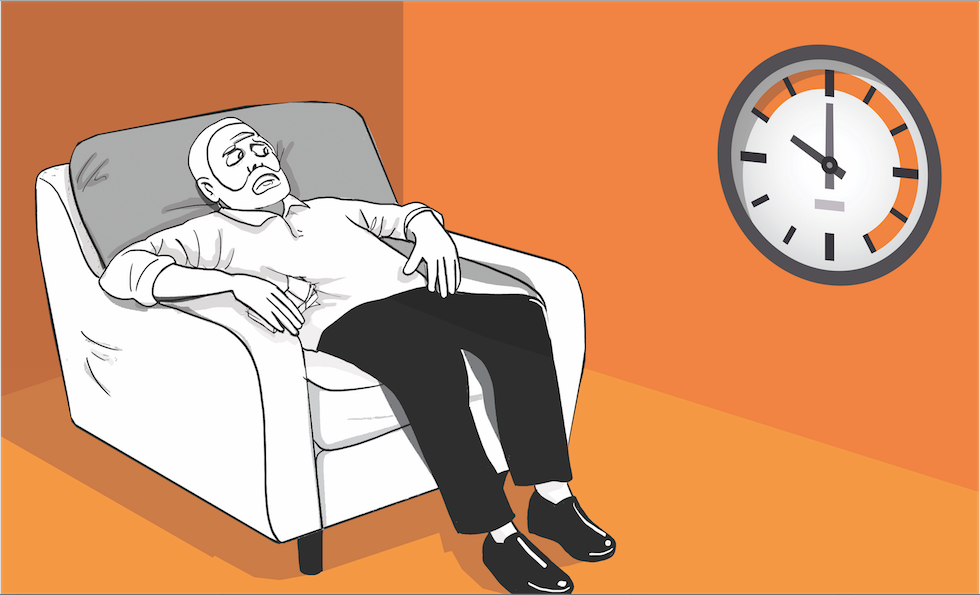
Itisnowwellacceptedthatthereisamomentineveryretiree’slifethatnofinancialplanner can prepare you for. It is not the day your pension hits your account. It is not the farewell party or the last email from the office. It is a quiet morning, a few months after leaving the workplace, when you wake up and realise you have nowhere you have to go – and nothing specific to do.
At first, that freedom feels wonderful. No alarm. No traffic. No deadlines. But slowly, somethingelsebeginstosurface:astrangeheaviness,arestlessness,asensethatyourdays may be full – yet somehow empty.
Many Kenyans are emotionally unsettled in retirement – especially after those first few months of retirement. The question becomes, “What am I living for now?” This is where purposeenterstheretirementconversation; notasasoft,motivationalidea,butasapractical survival tool.
Oneoftheparadoxesofretirementisthattime seemstoexpand.Whenyourlifeisnolonger structured by work, weeks feel longer, days feel slower and years feel heavier. Without a reasonorpurpose tolookforward to,timebecomessomethingtoendureratherthansomething to enjoy.
Purpose changes how time feels. When you are working toward somethingthatmatters – a communityproject,apersonalgoal,alearningjourney,amentoringrole – yourdaysregain rhythm. Mondays feel different from Fridays again. You measure time by progress, not by emptiness and listlessness.
This is a fact that many retirees can identify with. For example, people with a sense of purpose wake up earlier. They move more. They thinkmore. They engage more. And they agebetter.Asthesayinggoes, moneymakesahappyretirementpossible.Purposemakesit liveable.
ManyKenyansgrowupbelievingthatretirementisapermanentholiday.Fromglossy advertisements and popular narratives, the message seems to be: work hard, sacrifice and strugglethroughyourproductiveyears, thenonedayyouearntherightto“donothing”for the rest of your life. It is a comforting idea, but also a deeply misleading one.
Thetroubleis,humanbeingsarenotbuiltforpermanentholidays. Restisrestorativewhenit is temporary. When it becomes permanent, it becomes stagnation.
For many retirees, after the initial honeymoon phase of sleeping in, watching TV and visitingrelativesand“doingnothing”, somestartfeelingaquietdissatisfaction.Theybegin complainingmore.Theirenergydrops.Theirhealthconcernsincrease.Theirworldslowly shrinks to the size of their sitting room.
Thisisnotlaziness.Itistheconsequenceofalifewithoutforwardmomentum.Purposegives you forward momentum, it gives you somethingto wake up for, something to build toward and something that reminds you each day that your life still matters.
One of the most common misunderstandings about purpose in retirement is that it means merelystayingbusyandtheoppositeofbeingidle.Joiningeverycommittee.Attendingevery meeting. Filling every hour with errands.
Busyness is not purpose. Purpose comes from the feeling that someone or something still genuinelyneedsyou andthatyouare valuableandabletocontribute.Purposeinretirementis about finding meaning and connection in daily life. This may include making positive contributionsandimpactinyourcommunity,personalgrowthandevolution,andfindingjoy in your life.
One of the key questions to ask yourself is: who am I now that I am retired, and what do I see as my purpose? Purpose often emerges when your presence makes a difference to others and when you feelfulfilledin your life based on your activities, focusand contribution.
This does not need to be major actions. For example, it could be that young professional who grows because of your mentorship. A community group that succeeds because of your leadership.Asmallbusinessthatsurvivesbecauseofyour knowledge,expertiseandwisdom, among others.
Ultimately,retirementisaboutdefiningyourownmeaningandchoosingtoliveeachday with purpose and intention.
It is important to note that purpose will not magically “appear” after retirement. Purpose is notsomethingyoustumbleinto.Itissomethingyou design.Toachieve this,itisimportantto focus on reframing your life.
Yourenergyisaresource; thequestionis,wherewillyouinvestit?Yourexperience isalso an asset; ask yourself who will benefit from it and where will your values lead you next?
Purpose doesn’t requirea grand stage; it simply requiresalignment. Asnotedearlier,it might meanmentoringthenextgenerationwiththeskillsyou havespentalifetimehoning,oroffering quiet, practical support to your community. There is no "correct" version of purpose, especially in retirement. It only needs to be yours and to feel right for you.
One of the hidden dangers of retirement is emotional shrinking. It is estimated that globally, 25 to 35 per cent of retirees experience depression in part due to loss of purpose and social isolation, amongotherfactors.Withoutasenseofpurpose,peoplebecomemoreinward-focused.Their world narrows.
Withoutpurpose,self-pityandnegativethinkingdominate,leadingtoquietwithdrawalfrom friends and long lonely days in the house, and growing tension at home in some cases.
This oftenspillsintounhealthycopingthroughdrinkingalcohol,betting orendlesstelevision, alongside obsession with past glory and bitterness toward lifeand society.The resultis a painfulspiralofpoorfinancialdecisions,declininghealth andtheslowerosionofdignity, relevance and hope.
Inretirement, havingapurposepullsyououtward. Itforcesyoutoengagewiththeworld.It introduces you to new opportunities. It gives you new problems and challenges to solve or contribute towards addressing them. It keeps your identity and essence alive and evolving.
Retireeswithpurposetalkaboutthefuture.Retireeswithoutpurposetalkaboutthepast. One group is expanding. The other is slowly contracting.
This conversation is not just personal. It is national. Kenya has a growing population of retireeswhoarehealthierandmoreeducatedthananygenerationbeforethem.Ifwe continue as a country to treat retirement as a social dead end, we waste one of our most powerful resources: lived experience.
Imaginewhatwouldhappenifweintentionallymatchedretireeswithschools,startups, community groups and youth programmes. Imagine if we normalised encore careers and flexible contribution roles for older adults.
Retirementshouldbeatalentredeploymentstrategy, notatalentdisposalstrategy.A countrythatgivesitsretireespurposebuildsstrongerfamilies,wiserleaders andmore resilient communities.
For decades, we told people to plan for retirement by asking: Howmuchmoney willI need? That question is still very important. But itisincomplete. Wealso needto ask questionsthat focus on the meaning and purpose of a retiree’s life.
Pre-retirees and retirees should be able toanswer,amongothers,thefollowingquestions: Whatwillmakemylifeworthlivingonce I leavethe workplace?Whatwillgetmeoutofbedwith energy every day?Whatsocialissues do I still want to help solve and what contributions and impact can I make?
One of the big risks in retirement is losing meaning in your life.The message is simple: retirementisnotanending.Itisa reinventionandredesign.Andpurposeistheblueprint. If we help Kenyans plan not just for survival in retirement, but for significance, we will not only transform individual retirements, we will transform the country’s relationship with ageing itself.
Thatisthe purposefulretirementrevolutionthatKenyaneeds.
Certified retirement and transition coach and founder and CEO of Reinvent RetireMINT