There is a woman I want you to think about today. She woke up before the sun this morning — not because she wanted to, but because the morning belongs to everyone else, and this small, quiet window before the household stirs is the only hour that is truly hers.
She made the tea. She packed the school bag. She checked the budget in her head, did the mental math on what is left until month end, and decided the children will not notice the difference. Then she got dressed and walked into the world — and nobody asked how she got there.
You know this woman. She is your mother. Your aunt. Your neighbour. The woman in the seat next to you on the matatu and the one who served you at the counter this morning. She is everywhere — and she is largely invisible.
Every year, Mother's Day arrives with flowers and church services and heartfelt captions. Children write cards. Families gather. We say all the right things. And then, on Monday, life resumes — and the woman who held everything together last week goes back to holding everything together again, quietly, without applause.
I want to write something different this year. Not a tribute. Not a list of achievements. I want to write an honest letter to — and about — the Kenyan mother. Because I believe she deserves more than one Sunday a year of being seen.
"Motherhood is not a personal life story. It is one of the most demanding leadership roles in existence — and it is almost entirely unpaid, unrecognised, and undervalued."
— Jemima Ngode, CHRP (K)
I work in human resources — in the business of people. My work asks me to understand what brings out the best in human beings, what they need to grow, and what quietly erodes them over time. And I will tell you something I have come to believe deeply: some of the most capable, emotionally intelligent, and genuinely resilient people I have ever encountered were not the ones with the most impressive titles. They were mothers.
Think honestly about what motherhood requires. You are managing multiple human beings — each with their own needs, their own fears, their own difficult days — simultaneously, and mostly without a manual. You are making high-stakes decisions under pressure, with limited resources.
You are a counsellor, a coach, a negotiator, a nurse, a financier, and an anchor — often before 7am. You are teaching small people how to be decent human beings, while also trying, quietly, to take care of yourself.
And then, in the middle of all of this, you show up somewhere else and give that place your best too.
Kenya is full of women like this. In the flower farms of Naivasha and the fish markets of Kisumu. In the classrooms of Kakamega and the offices of Nairobi.
In hospitals, in salons, in fields, in kitchens — mothers are the quiet engine of this country. Not in spite of their responsibilities, but because of what those responsibilities have made them.
"We do not need to fix the Kenyan mother. We need to build a world worthy of what she already is."
— Jemima Ngode, CHRP (K)
I think about the mother who takes a second job in the evening so her daughter can stay in school. I think about the grandmother raising her grandchildren after loss, starting the whole journey again with aching knees and unshakeable love.
I think about the young mother who sat her final examinations weeks after giving birth, because she understood that her child's future was sewn into her own success.
I think about the mother who has not slept a full night in three years and still greets every morning with the same patient face.
These women are not extraordinary exceptions. They are the ordinary reality of motherhood in Kenya. And the fact that we have come to see their sacrifice as normal does not make it less remarkable — it makes our recognition of it more urgent.
What I have observed, both professionally and personally, is that we live in a world that celebrates what mothers produce — healthy children, stable homes, thriving families — while rarely pausing to ask what it costs them. We admire the fruit without watering the tree. We expect the harvest without tending the soil.
And so, this Mother's Day, I want to make a case — not just for appreciation, but for something deeper. I want to make a case for the kind of culture, community, and everyday human kindness that actually makes a mother's life lighter. Not once a year. Every single day.
What We Can Each Do — Starting Today
Celebration is beautiful. But the most powerful gift we can give the mothers in our lives is a change in how we show up for them every day:
- See her — really see her. Ask how she is doing and wait for the real answer. Not the automatic "fine." The real one.
- Share the load. At home, in the community, in the workplace — the labour of care should never fall on one pair of hands alone. Step in without being asked.
- Respect her rest. A mother who rests is not being selfish. She is preserving herself so she can continue to give. Protect her rest like it matters — because it does.
- Honour her ambitions. A mother is a full human being with dreams, goals, and a life that belongs to her beyond her children. Celebrate those dreams. Encourage them. Make space for them.
- To mothers themselves: You are allowed to need things. You are allowed to say no. You are allowed to put yourself on the list — not at the very bottom, but somewhere near the top, where you belong.
Motherhood was never meant to be a solo performance. It was always meant to be held by a community. Let us be that community — today, and on every ordinary day that follows.
To every mother in Kenya — the ones who are celebrated today and the ones who will go unnoticed — you are seen. You are valued. The love you pour out into this world does not disappear. It lives in every person you have ever cared for, shaped, or simply held. That is a legacy no Mother's Day card can fully capture.
Happy Mother's Day. You have always been enough. More than enough.
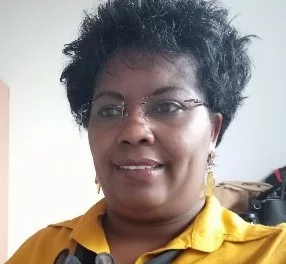
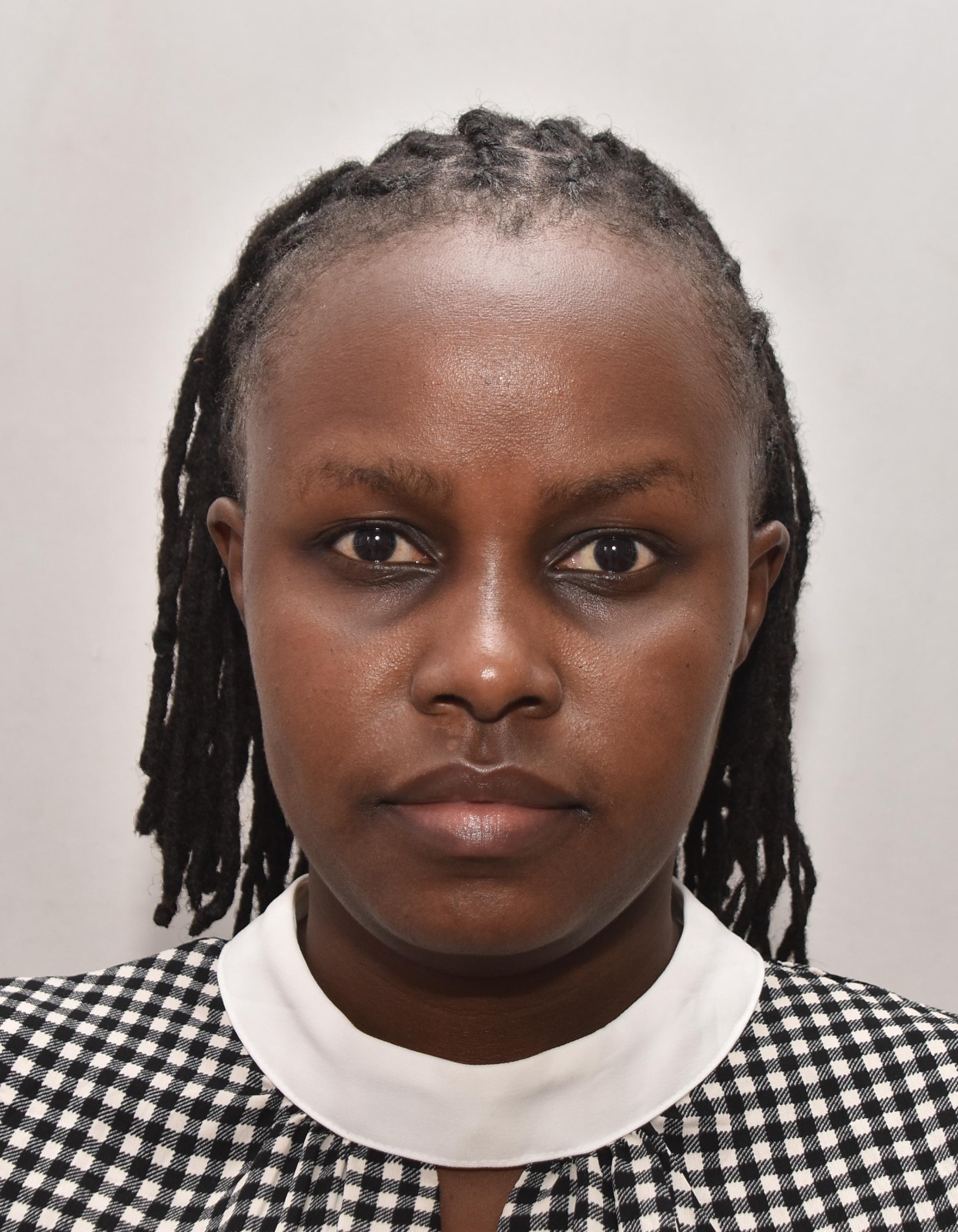
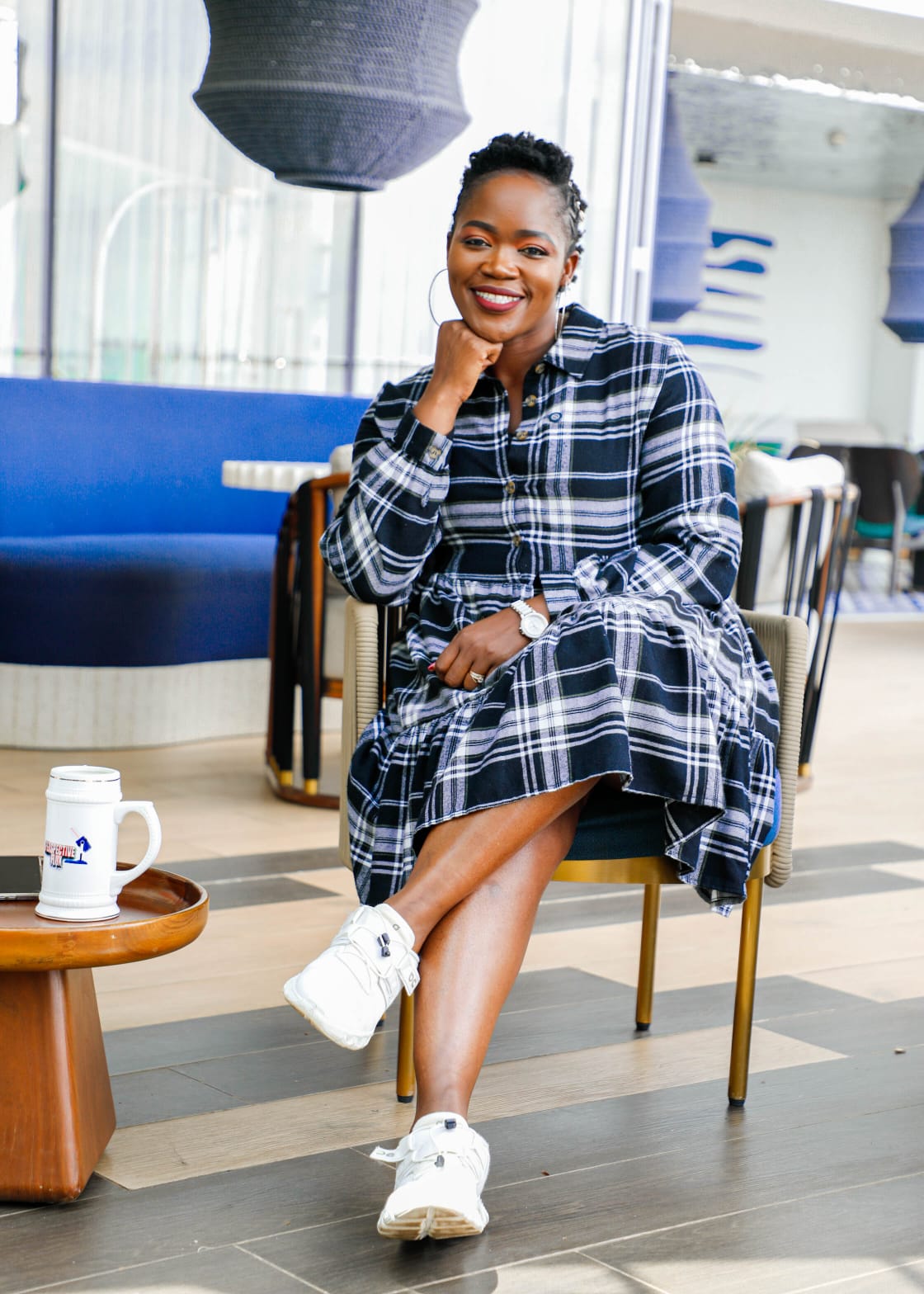
Jemima Ngode, CHRP (K) Group HR Manager, Radio Africa Group. The views expressed in this article are the author's own personal opinion.