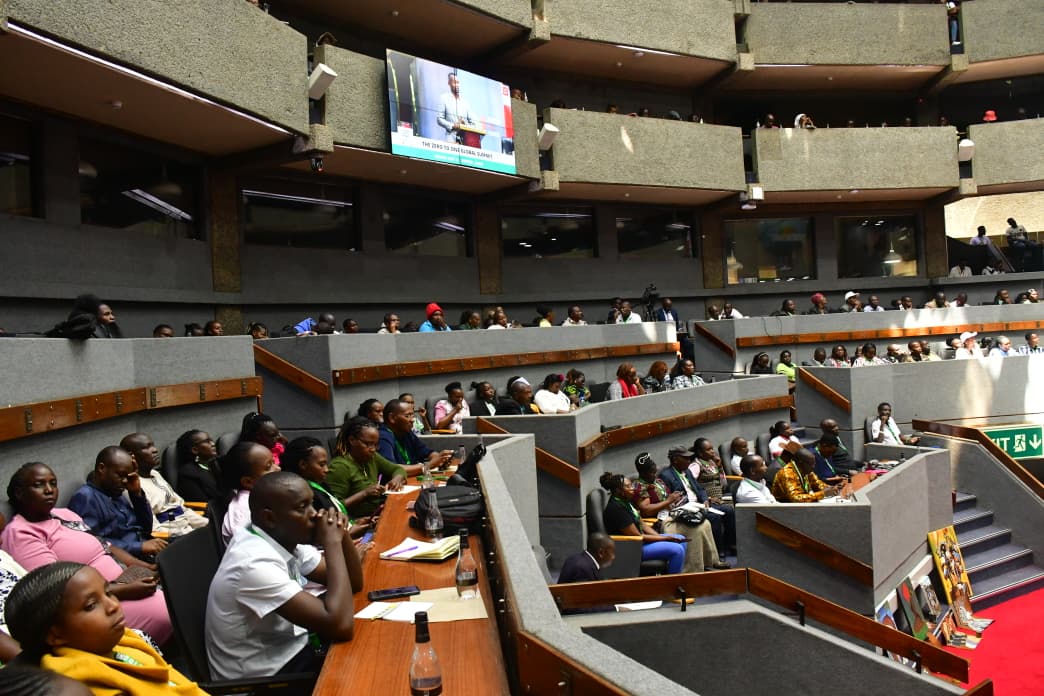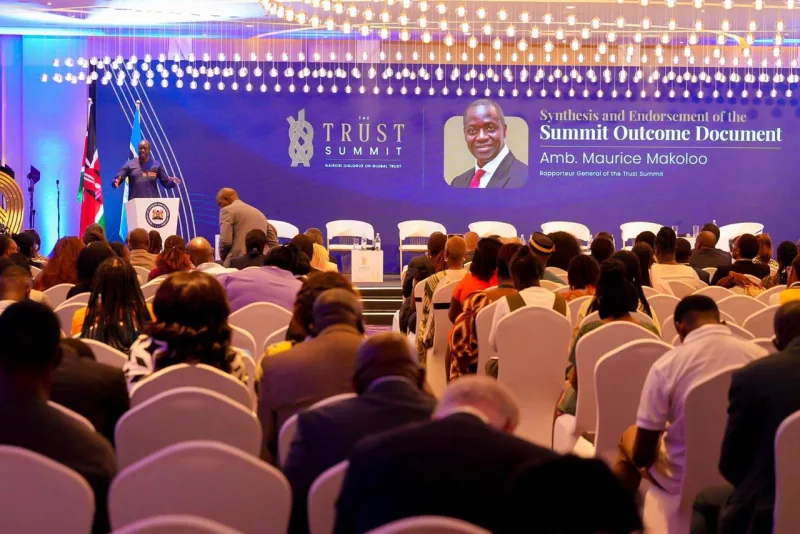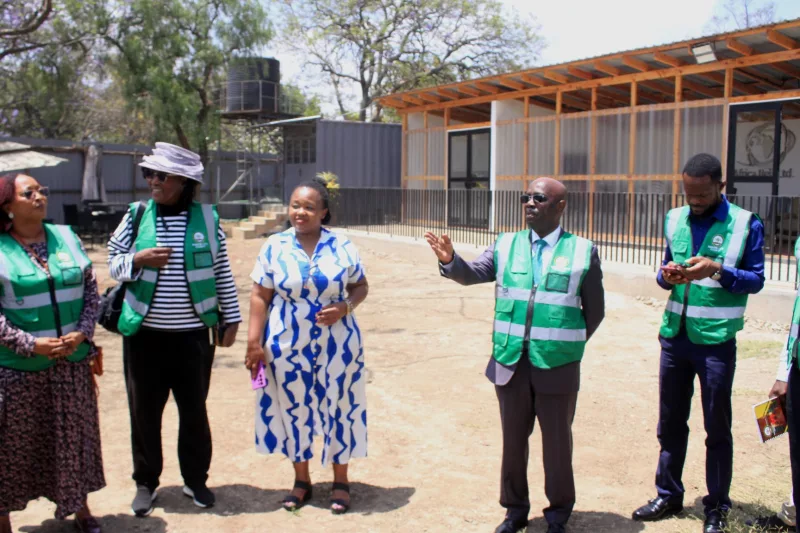
Over 1,500 representatives of community-based organisations (CBOs) and self-help groups from all 47 counties converged at KICC Thursday for the Zero to One Summit, a landmark gathering focused on economic empowerment, food innovation, and strengthening grassroots initiatives.
The summit, organised by Vibo Eats, brought together grassroots leaders, entrepreneurs and strategic plnners, to share solutions on mobilising communities, reducing food wastage, and creating sustainable livelihoods.
Speaking during the summit, Vibo Eats CEO Joseph Kariuki highlighted the dual purpose of the initiative which is providing immediate relief while creating long-term income opportunities.
“We are not only giving out food. We also help beneficiaries start small businesses by providing them with stocks and training on how to operate,” he said.
In the next two weeks, Kariuki said he will they will be giving food to 15 CBOs to distribute to vulnerable groups in their areas.
Already the company has secured Sh3.7 million from a donor to fund the selected CBOs.
The event focused on several strategic agenda points, starting with economic empowerment through CBOs and self-help groups.
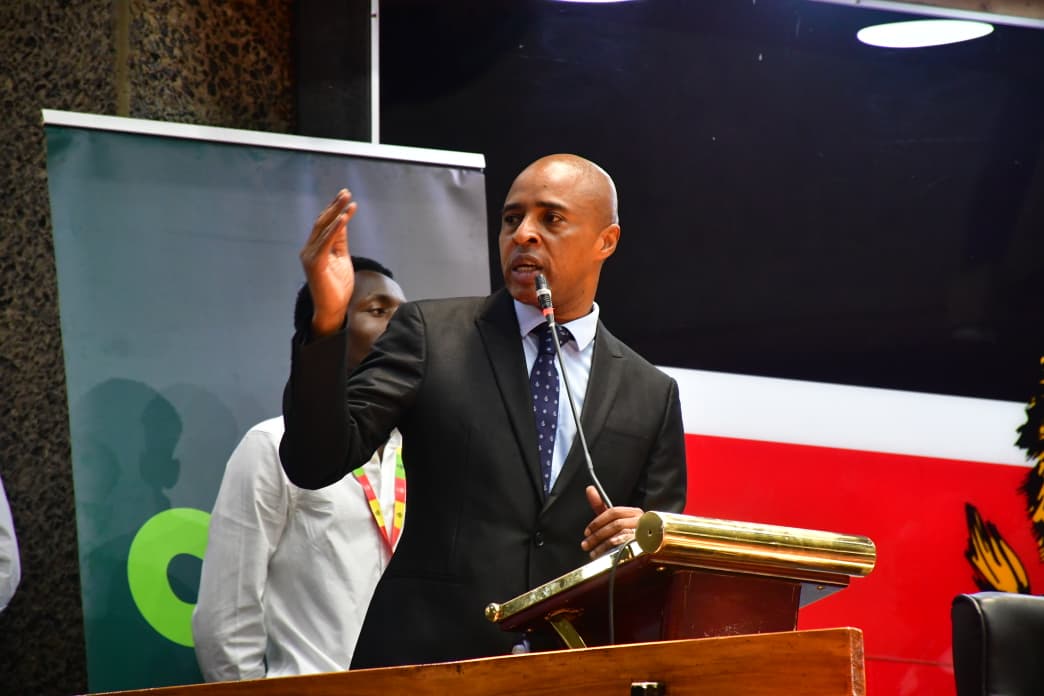
Participants were trained on how to leverage resources and build small-scale enterprises, ensuring that community support goes beyond short-term handouts.
Another key discussion addressed food wastage, with Kariuki noting that Kenya loses an estimated 9 million megatonnes of food annually, while about 2.1 million people still go hungry.
“The problem is not supply chain, but the mechanism to turn surplus food into an economic hub,” he said.
The summit emphasised that surplus food can be converted into income-generating opportunities, benefiting both communities and the economy.
The summit also explored food distribution channels, particularly how communities can become less dependent on donations and more self-reliant.
A donor portal linkage was introduced, enabling CBOs and self-help groups to access grants and funding opportunities through global networks.
Vibo Eats operations manager Rachel Mwangi emphasised that participation is by invitation only, ensuring that resources reach verified and deserving beneficiaries.
Participants also heard from Vincent Onaire, founder of Akili Bomba, a CBO in Kibera tackling mental health stigma while supporting those living with mental illness.
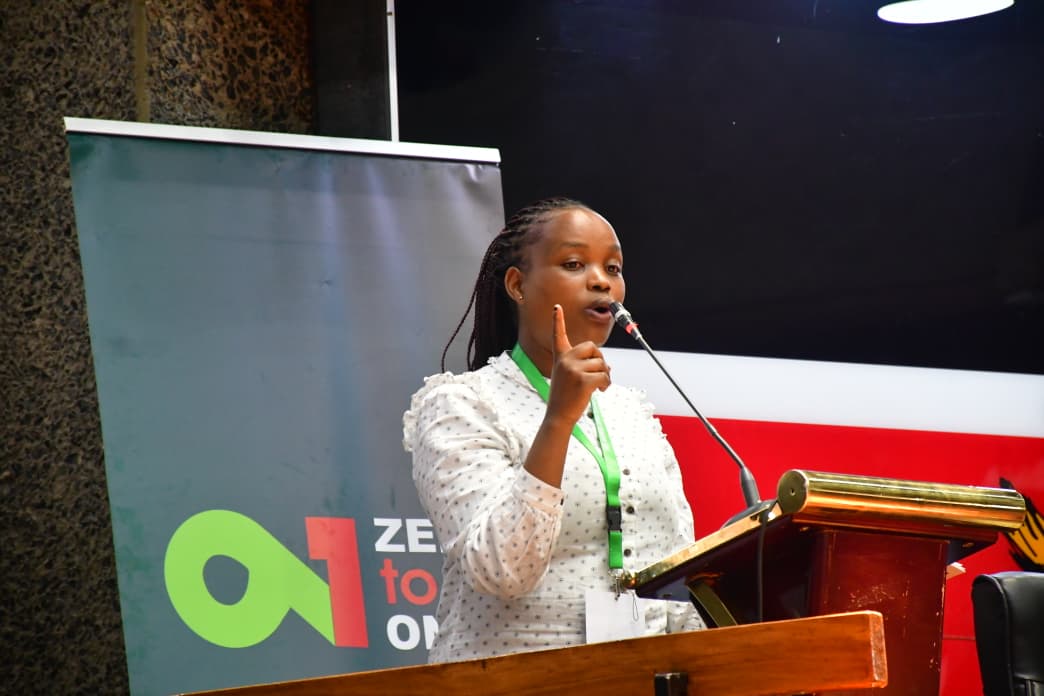
Onaire praised Vibo Eats for transforming food distribution across Nairobi’s informal settlements through innovative models such as the Cooler Coin Programme, which ensures food is delivered efficiently, with accountability, and with dignity.
“This is exactly what sustainable community support should look like, responsive, scalable, and designed with dignity at its core,” he said.
The summit highlighted the impact of Vibo Eats’ initiatives in areas like Kibera and Mukuru, where over 4,000 CBOs have already been identified as potential beneficiaries.
The initiative combines food support with business training, enabling households to sell fresh produce and groceries from small kiosks.
Beneficiaries receive stocks valued at Sh50,000 or more, with profits shared between them and Vibo Eats, creating a self-reliant, income-generating model.
Unsold produce is returned to the food bank for redistribution, reducing waste and reaching vulnerable families.
The summit also underscored the importance of collaboration with local administrators, who help identify deserving households, including the elderly, persons with disabilities, and single-parent families.
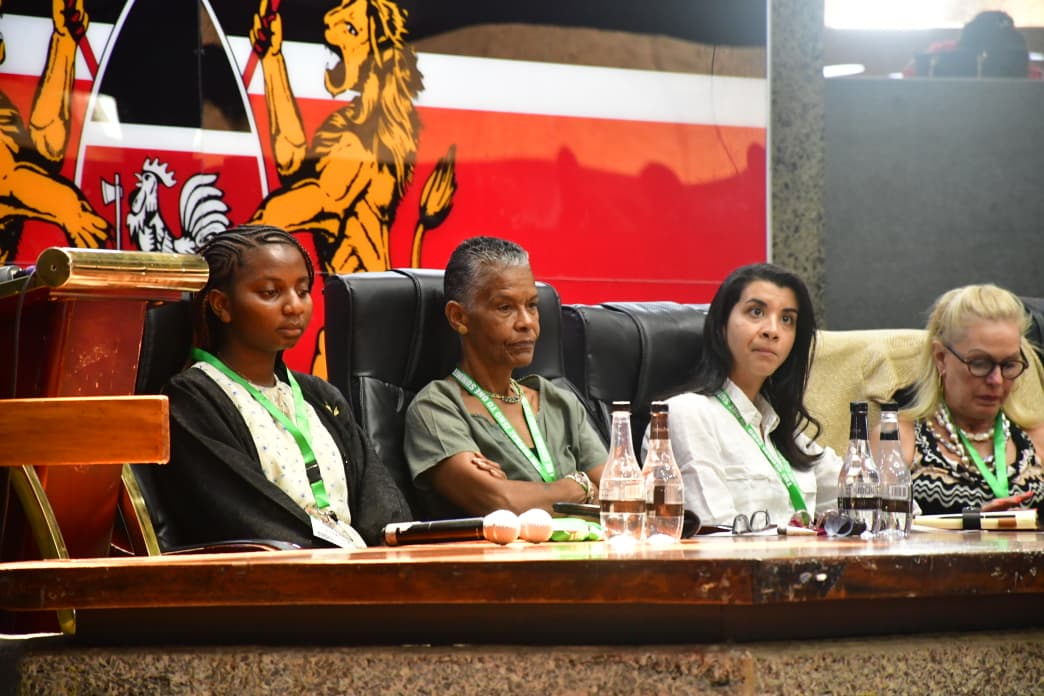
Kariuki said the broader goal of Zero to One is to reduce reliance on emergency food aid, increase household incomes, and integrate marginalized populations into local value chains.
“As the government pushes to create jobs for youth and support small traders, this initiative supplements that agenda,” he noted.
Participants were also trained on leveraging donor networks, grant applications, and technology-driven solutions for community development, ensuring that grassroots organizations have the tools to sustain their programs beyond initial support.
The summit concluded with a pledge to continue partnerships between Vibo Eats, CBOs, and local communities, ensuring that interventions are dignified, scalable, and economically empowering.
With over 1,200 participants already engaged, organisers hope to transform food distribution and economic opportunities across Nairobi’s informal settlements and beyond.