 Affordable housing
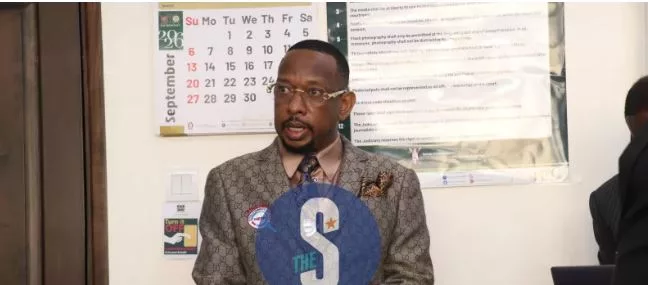
Persons with disabilities (PWDs) in Kenya continue to face exclusion in multiple spheres of life, often hindered by environments that do not accommodate their mobility and accessibility needs.Affordable Housing Board Acting CEO
Joseph Kagicha said this inequality restricts their ability to live independent and fulfilling lives, forcing many to rely on assistance for everyday tasks.
Kagicha said after recognising these challenges, the Kenyan government enacted the Persons with Disabilities Act (2003), which mandates that both public and private buildings be designed or retrofitted with infrastructure that caters to the needs of PWDs.
He said despite this legal framework, many spaces remain inaccessible, creating unnecessary barriers for approximately 2.2 per cent of the population.
About 900,000 people live with various physical disabilities, according to the 2019 Kenya Population and Housing Census.
“Through the establishment of the National Council for Persons with Disabilities, the government set in motion a mechanism to address the interests of persons with disabilities,” he said.
“The council consults with the government in the provision of suitable and affordable housing for persons with disabilities (Kenya’s Persons with Disabilities Act and the 2010 Constitution),” he said.
According to the Kenya Housing Survey report of 2023–24, only a small fraction of families with disabilities reported “excellent” accessibility to their dwelling units, making it difficult for most disabled people to access their living quarters independently and with ease.
“In the rush to meet the 250,000 annual housing deficit the country is facing, we have continuously overlooked how to provide for this special group,” Kagicha said.
The CEO added that the private sector has done a tremendous job in the construction sector in reducing the housing deficit, but its designs have historically lacked disability-inclusive features, characterised by weak regulations.
He said this may explain why millions of Kenyans with mobility difficulties are poorly served by existing housing stock.
In some cases, visitors with disabilities face challenges accessing amenities in their hosts’ houses simply because of design limitations.
“To access a toilet, one has to go down a staircase only to find the toilet closets are too small to accommodate a wheelchair,” Kagicha said.
He pointed out that several interventions and initiatives have been put in place by the government and the private sector to enhance equality and inclusivity in the housing sector.
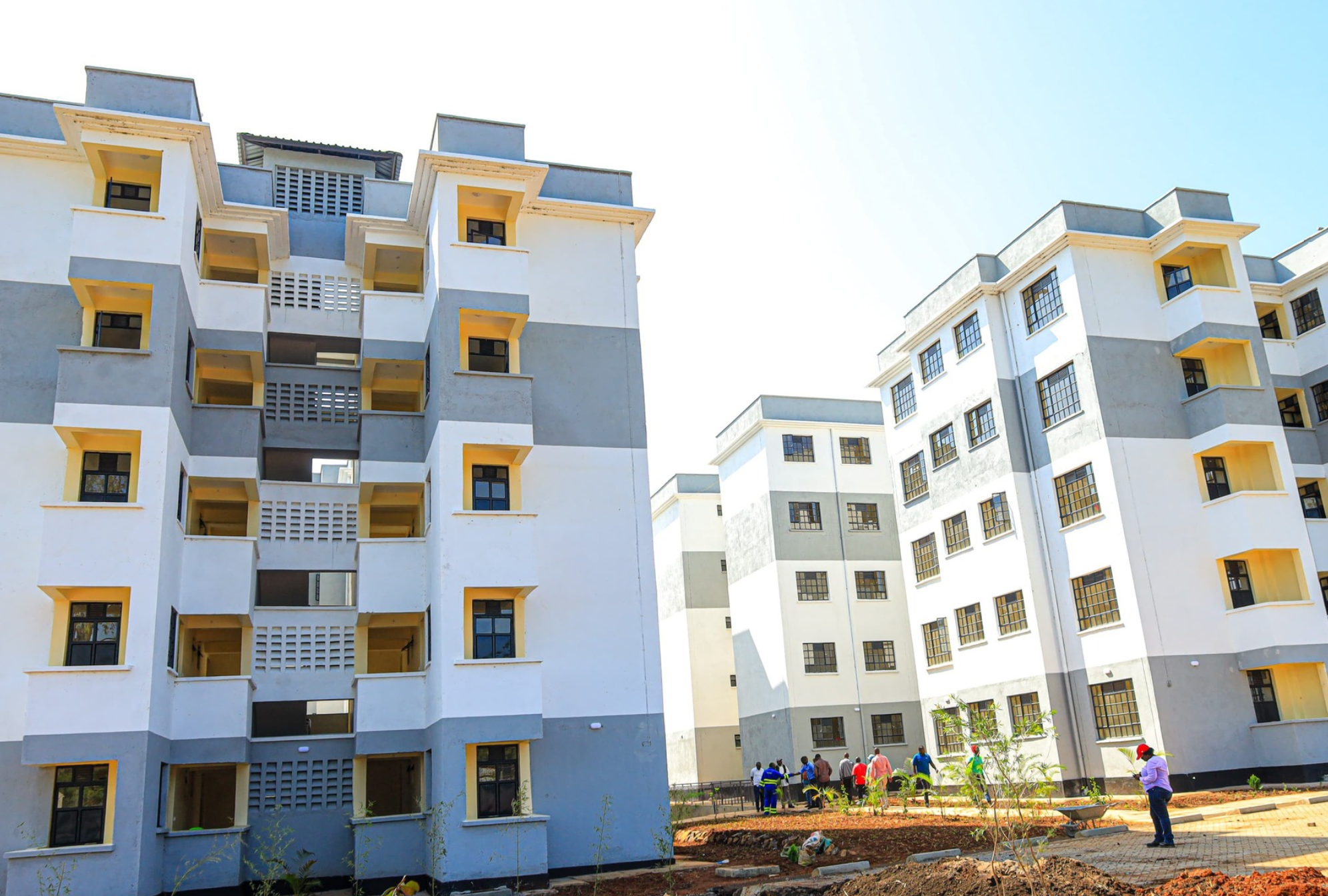
A key initiative is the government’s Affordable Housing Programme which provides dignified, affordable housing units to Kenyans from all walks of life.
Kagicha said the programme has embedded inclusivity from planning to execution, including in architecture, social amenities and community services.
Architects designing these mass housing projects across the country are not only focused on aesthetic designs but have also incorporated inclusive features such as wide-axis circulation in floor plans for wheelchairs, ramps, automatic doors and lifts.
The CEO said this is evident in projects such as Mukuru and Kileleshwa, which are characterised by ramps and gently sloped walkways alongside stairs, wide doorways and corridors suitable for wheelchairs.
Others are accessible lifts and handrails in multi-storey units, as well as tactile signage and braille indicators in public spaces for visually impaired residents.
He added that, compared to historical designs in the real estate sector, AHP projects have strategically positioned these amenities for persons with disabilities to be as accessible as possible.
“An example is a special parking bay close to entrances and accessible public toilets and bathing facilities in shared amenities that are specifically labelled for exclusive use of disabled persons,” Kagicha said.
He said inclusivity is not only physical but also social, noting that mixed-income and mixed-ability communities, such as those fostered by Affordable Housing, promote connection and prevent marginalised groups like persons with disabilities from being shut out of society.
“Other than social inclusivity, technology and innovation techniques such as low-level switches for residents with mobility challenges and adaptive lighting for visually impaired residents have been implemented to ensure equity and liberty for all,” he said.
Moving forward, Kagicha said the construction industry, including both private and public sector projects, should adopt all-inclusive designs to create a housing future in which purchase and ownership are based on interest rather than ability.
He said this approach, often found in social housing, rent-to-own schemes and housing cooperatives, shifts the focus from who can afford to buy immediately to who needs a home and is willing to invest in it over time.
Kagicha said that although the implementation of inclusive designs in the past has been inconsistent, especially in the private sector, the National Housing Policy provides the legal and planning foundation for inclusive housing, ensuring accessibility and inclusivity are integrated from architectural design to construction and final occupancy.