
City Hall has revealed key flood blackspots across Nairobi as it scales up an aggressive multi-agency operation to contain rising waters and repair battered infrastructure following heavy rains. In a statement issued by Disaster Management Chief Officer Bramwel Simuyu, the county detailed a stepping up of its coordinated response that has seen intensive desilting of drainage systems, rehabilitation of rivers, installation of culverts, and restoration of flood-damaged roads across multiple wards. The operations are targeting some of the city’s most vulnerable areas, including informal settlements, major transport corridors, and fast-growing neighborhoods where drainage systems have struggled to cope. These efforts are a continuation of measures that began in March in notorious hotspots following last month’s deluge. A progress report released on Wednesday shows that areas in Dagoretti North — including Kileleshwa, Gatina, Kawangware and Kabiru — are among zones requiring urgent intervention, with some projects already completed while others remain ongoing. In Kileleshwa, works are underway at Ole Nguruone/James Gichuru junction, where authorities are constructing new drainage lines and realigning infrastructure to curb flooding in surrounding residential estates. The project has been classified as “very high” priority and is still ongoing. Nearby in Gatina’s Kamitha area off Salim Road, river dredging works aimed at reducing flooding have already been completed. Similar progress has been recorded along Gathuro Road in Kawangware and behind Bora Bora Car Wash in Kabiru, where desilting and waste removal interventions have been finalised to prevent road damage. The data underscores the scale and urgency of Nairobi’s flood crisis, with interventions ranging from drain construction and river dredging to waste clearance and expansion of stormwater channels. The county says teams are working round the clock to tackle blocked drainage systems blamed for recurrent flooding, while also collecting real-time insights to guide future response. Governor Johnson Sakaja has called for a coordinated approach, directing national agencies to urgently fix flood-prone roads under their control. “The city cannot afford fragmented action in the face of flooding,” Sakaja said, urging swift and accountable intervention. Following the directive, Kenya National Highways Authority has deployed teams along major corridors including Mombasa Road, Uhuru Highway and Ruai Bypass, while Kenya Urban Roads Authority has redeployed contractors in Westlands and surrounding areas. County officials say the ongoing works — which include culvert installation, river rehabilitation and desilting — are part of a broader plan to strengthen long-term resilience as Nairobi’s rapid growth continues to strain existing infrastructure. Residents have also been urged to support the efforts by disposing of waste responsibly, with authorities warning that clogged drains remain a major contributor to flooding. Even as progress is recorded in some areas, the report makes one thing clear: Nairobi’s flood fight is far from over.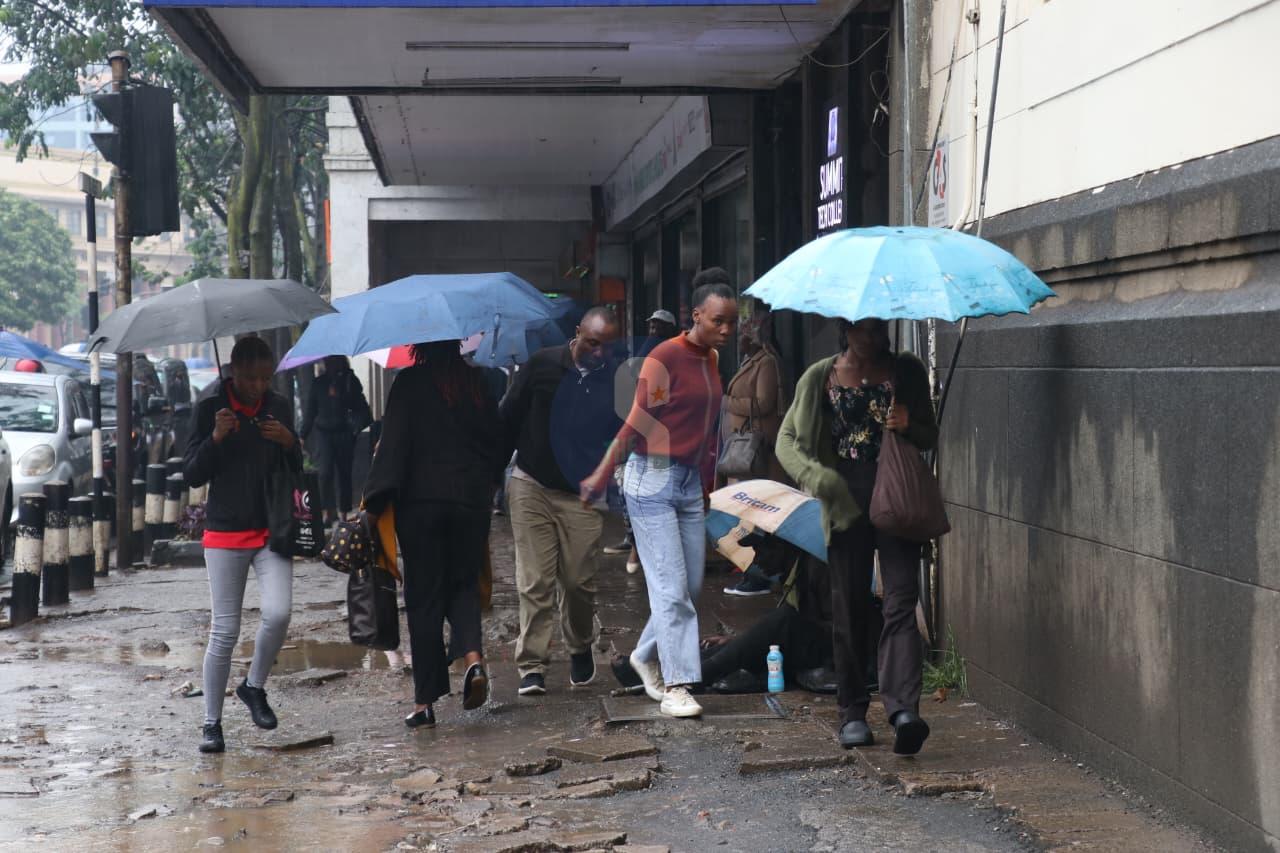
City Hall enhances multi-agency team to tackle flood chaos


Facebook
Loading...
Loading next article...
You've reached the end
Browse all articles