Kenya made global headlines in 2024 when Gen Z protests shook the country and inspired a similar wave worldwide and a repeat in Kenya on the anniversary.
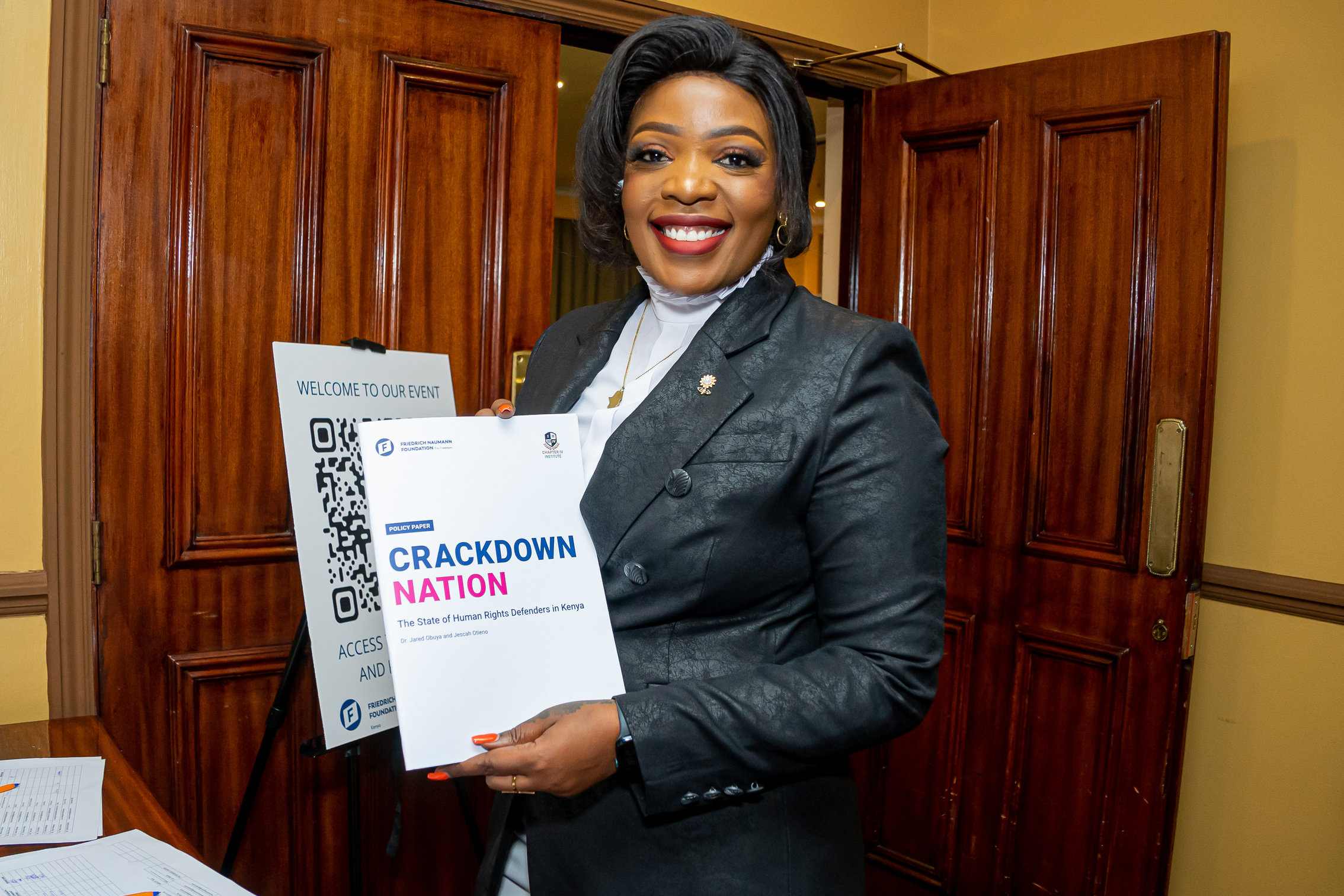
But by the time activists gathered in Nairobi on December 5 last year for the launch of the report ‘Crackdown Nation’, there was more to be discussed than the police brutality the protests were crushed with.
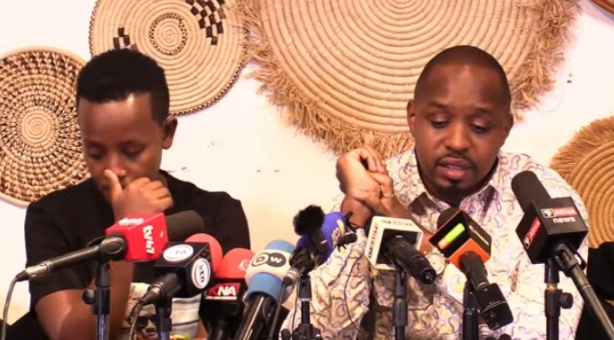
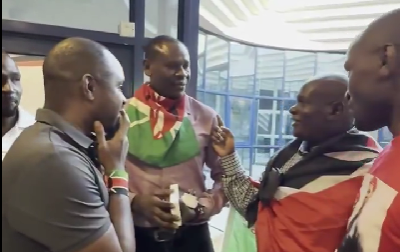
Ugandan politician Kizza Besigye had been arrested — critics say abducted — in Kenya for alleged treason, and taken to a military court in Uganda. Kenyan activist Boniface Mwangi and Ugandan lawyer Agatha Atuhaire had been deported from Tanzania after what they later alleged was torture and sexual abuse in detention. And Kenyan activists Bob Njagi and Nicholas Oyoo had spent 38 days “in the fridge” in Uganda after attending a rally by Bobi Wine, to quote his rival President Yoweri Museveni.
The pattern inspired the Standard to depict Presidents Samia Hassan of Tanzania, Museveni of Uganda and William Ruto of Kenya in military fatigues under the headline ‘Trinity of Terror’.
Rather than diplomatic support, the activists’ plight drew cheerleading from some quarters.
“I want to ask President Museveni and President Samia Suluhu Hassan, if you find any busybody activists who want to destabilise the peace and tranquillity of your countries, finya hawa uwarudishe nyumbani tuwamalizie (deal with them, then deport them to Kenya so that we can finish them),” Nandi Senator Samson Cherargei told a church service in November.
There was, thus, a lot to unpack as the Friedrich Naumann Foundation and Chapter IV Kenya launched the report on crackdowns in Kenya. The repression had gone regional.
FNF East Africa director Ralf Erbel called for courage in trying times. “Human rights are not defended by laws alone but by the current of people who refuse to look away,” he said.
Chapter IV Institute director Njeri Kabeberi acknowledged the deteriorating safety of activists in East Africa, but remained optimistic. “Jumuiya imekufa (The community is dead),” she said. “But there is always hope.”
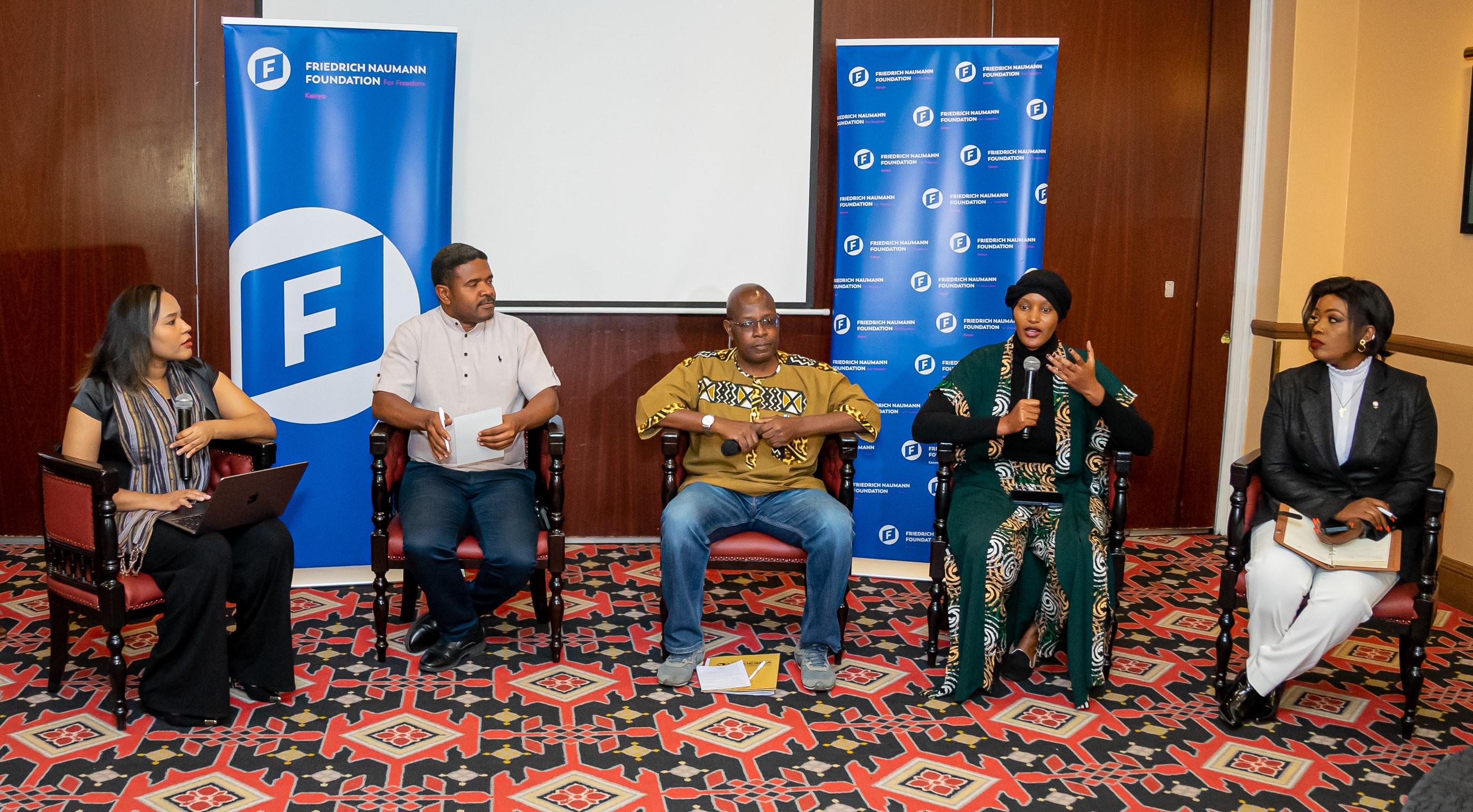
On a panel to discuss the situation were Vocal Africa CEO Hussein Khalid, youth human rights defender Hanifa Adan, Kenya Editors’ Guild president Zubeida Kananu and University of Nairobi philosophy lecturer Dr Francis Owakah.
Moderated by Citizen TV anchor Olive Burrows, the conversation unfolded less like an academic debate and more like a collective reckoning with fear, power and the cost of dissent.
DRIVEN BY PATRIOTISM
“It’s really scary,” Khalid, whose organisation supports people whose family members or relatives have been killed, said.
He recounted going to Tanzania with Hanifa and former Chief Justice Willy Mutunga to attend the case of opposition leader Tundu Lissu, who was facing treason charges, before they were stopped at the airport, held at the interrogation room for several hours and deported. And then they heard about what happened to Boniface Mwangi and Agatha Atuhaire.
“Hanifa broke down in tears the first time she heard about the experience,” Khalid said.
“And for me, Boniface Mwangi is someone who is very close to me, we work together. And it could’ve happened to me.”
Such is the life of a human rights defender. Surveillance, threats, abductions, assaults, extraditions and killings are no longer the exception but increasingly the norm. But rather than retreat, activists are forging ahead with their battles.
“We do this for our country. For our fellow Kenyans. And if we remain quiet, things could have been far much worse than what they turned out to be,” Khalid said.
POWER OF SOCIAL MEDIA
Hanifa became famous after fundraising Sh31 million for victims of police brutality during the Gen Z protests and accounting for it to the last penny. However, she shies away from the notion that she is the face of the movement, which prided itself in being leaderless. Nonetheless, she is a woman on a mission, with a fluency and maturity that belies her age, 29 years.
“I am a proud, loud activist,” she said. “I’m not associated with any particular organisation, but I am an active citizen and that will forever be.”
Her words set the tone: Defending rights is not a title but a daily commitment.
Hanifa spoke of activism as vigilance, something that cannot be switched off or outsourced. For her, the shrinking of civic space is not abstract. It is lived, felt and personal. She described how activists are often demonised, celebrated for their suffering or dismissed as disposable.
That normalisation, she said, is among the greatest dangers facing democracy.
Hanifa traced her own journey into activism to a single post on social media. She once publicly called out the Nairobi county government over an open sewer in Korogocho, where she grew up.
The sewer had existed for decades, exposing residents to serious health risks. After sustained online pressure, however, it was finally fixed.
“That is when I realised how powerful solidarity is,” Hanifa said. “Social media can actually work when people come together for a good cause.”
The experience reshaped how she saw civic engagement, turning digital platforms into tools of accountability rather than noise.
Hanifa was quick to acknowledge those who came before her, rejecting the idea that a younger generation is more courageous than previous ones. She credited earlier activists for fighting, often at great personal cost, for freedoms many Kenyans now take for granted. The difference today, she argued, is not bravery but tools.
She felt strongly about how politicians revel in their misery. “It is heartbreaking to see people who are meant to represent us enjoying the torture of human rights defenders. It’s a disgusting behaviour,” Hanifa said.
Standing with each other is not an option, however, it is a necessity. “We are always one step away from political instability, so we need to stand in solidarity with our neighbours.”
FRIENDS OF DEMOCRACY
Journalists, too, positioned themselves as defenders of democratic space. KEG president Zubeida Kananu described the media as “friends of democracy”, anchored firmly within Chapter Four of the Constitution (The Bill of Rights), which guarantees freedom of expression, access to information and media independence.
“If it’s not in the media, sometimes it is assumed it didn’t happen,” Kananu said. “That is why we have to be the eyes and ears of the public.”
She said journalists amplify rights violations, expose abuse and connect citizens to the state, often at significant risk to themselves. She pointed to regional examples, including Tanzania, where journalists were among the first to amplify the targeting of civil society actors.
In Kenya, she said, the media continues to provide platforms for activists whose voices might otherwise be silenced. This role, however, has increasingly placed journalists in the line of fire.
The media’s own vulnerability dominated a significant portion of the discussion. Kananu described a profession under siege, facing harassment, intimidation and economic pressure. During protests, journalists have been targeted by police despite being clearly identified as media.
“We know the perpetrators,” she said, “but justice remains elusive.” She cited cases of journalists who were shot at, injured or traumatised, yet continue to wait for accountability years later.
Kananu also turned her critique inward, condemning media owners who allow journalists to work for months without pay. Such conditions, she said, are dehumanising and destructive.
“These are human beings,” she said. “They have families. They have bills.” She said marriages were breaking under the strain, as the public image of glamorous television work masks financial hardship.
FAILURE OF LEADERSHIP
UoN lecturer Dr Francis Owakah offered a historical lens. Reflecting on Tanzania’s past as a refuge for liberation movements, he described the current repression as painful and disorienting. For him, the issue is not the absence of good laws but the abuse of power.
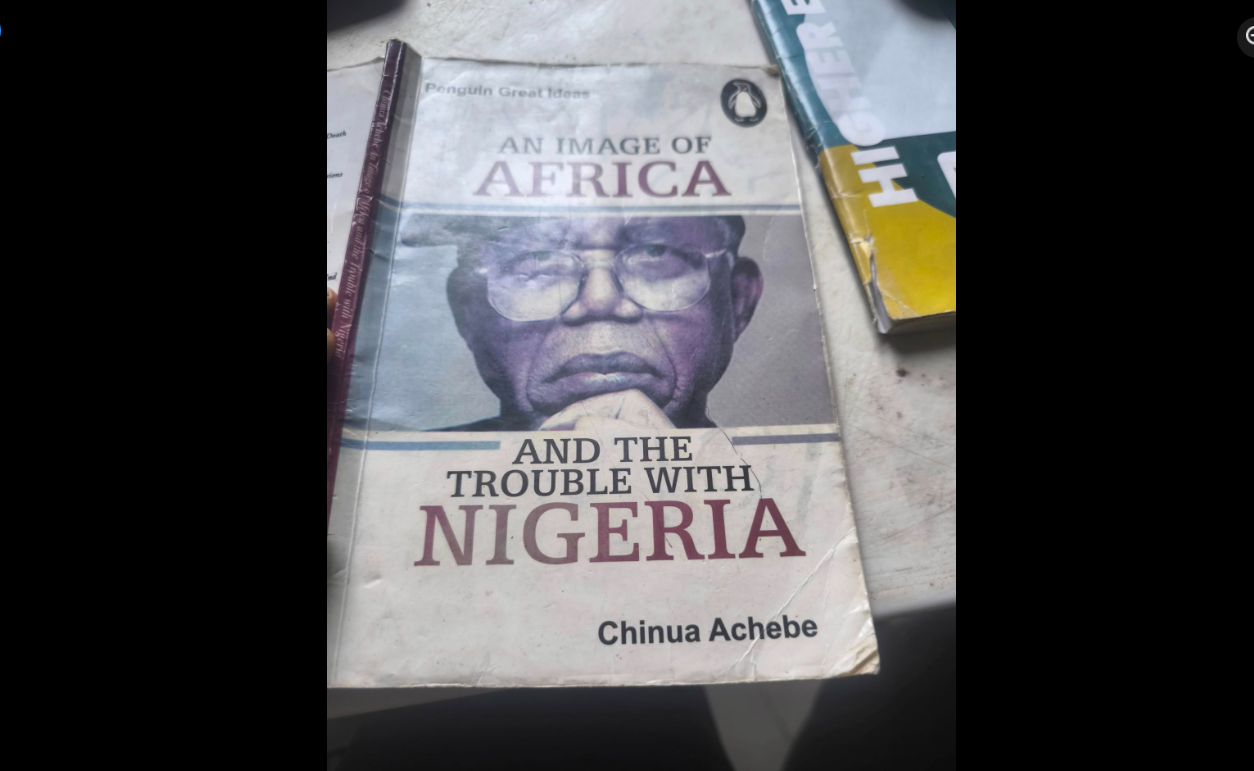
“The trouble with Africa is squarely [a failure of] leadership,” Owakah said, borrowing from the famous opening line of Chinua Achebe’s The Trouble with Nigeria.
“Replace Nigeria with Kenya, with Tanzania, with Zambia. The problem is the same.” Constitutions, he argued, are strong on paper, but institutions are treated as private property by political elites.
“If you have too much power,” he said, “the people you lead have no rights.” A healthy society, he said, is one that constantly presses its leaders.
Owakah warned that impunity thrives when citizens resign themselves to abuse. And once dehumanisation is accepted, violations become routine.
He stressed that rights erosion is not only imposed from above but also enabled from below, through silence and fear.
He cautioned against applauding abusive rhetoric or celebrating strongman politics. Such responses encourage impunity and silence empathy.
Rights violations, he emphasised, are about individuals, not statistics. “They have names. They have families,” he said. Reducing people to labels or numbers, he said, is the first step towards accepting their abuse.
GOONS IN PROTESTS
Questions from the audience raised concerns about journalists and activists transitioning to politics. Boniface Mwangi is notably running for President in next year’s elections.
Kananu and Khalid had nothing against such ambitions so long as the person quit their job to avoid conflict of interest.
Guests also asked about sustaining solidarity as authorities clamp down across borders. Mobilising solidarity, Khalid said, is difficult but essential, particularly in an era of coordinated repression.
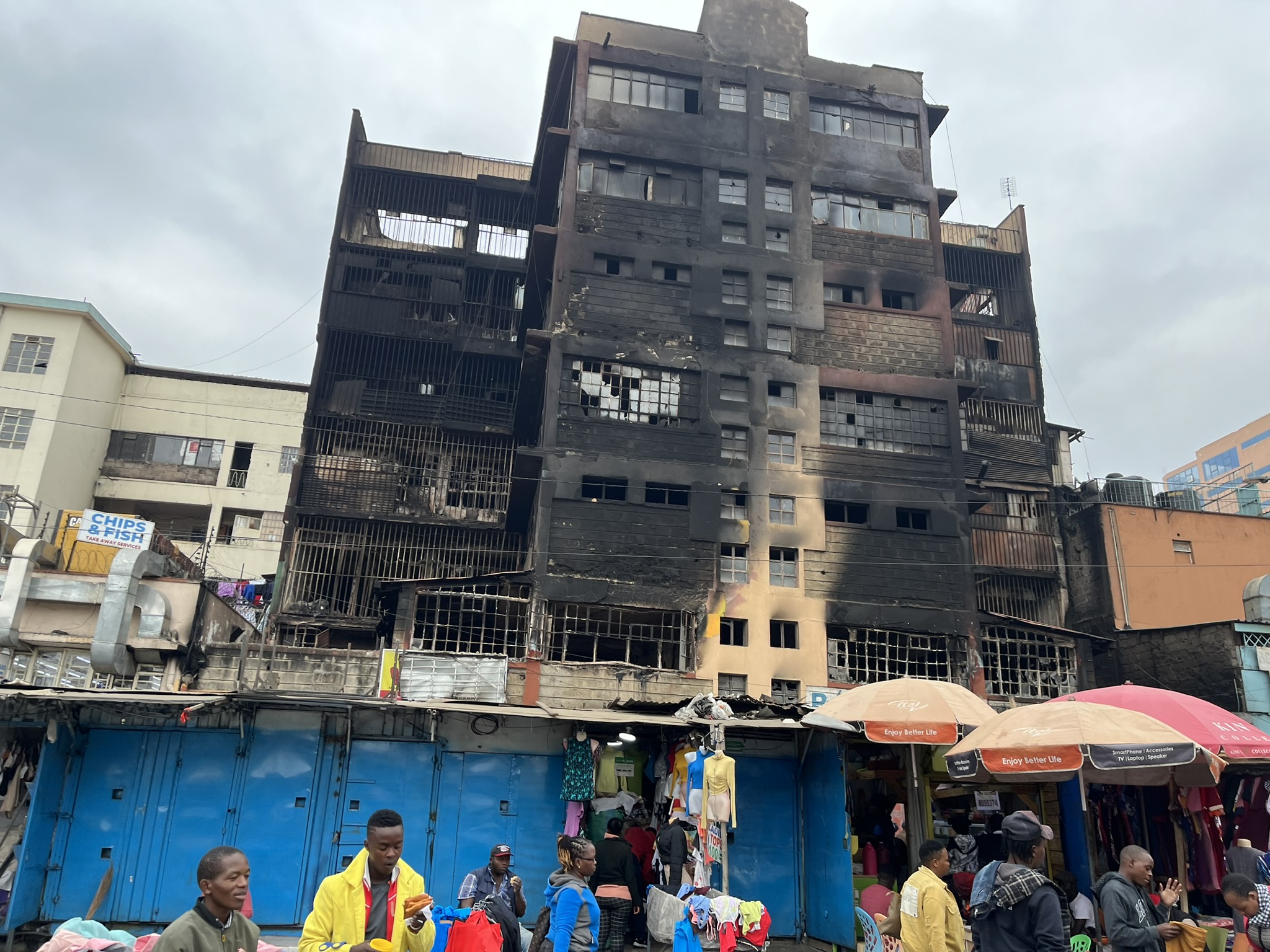
The issue of protests disrupting public order also surfaced. “Who will speak for the traders who have nothing to do with protests but suffer millions of shillings in losses from looting and arson?” this writer asked.
Khalid said once given notice, the police have a duty to provide security for lawful protests, and if they fail, the state must compensate those harmed.
“You cannot suspend the Constitution when shops are broken into. No one advocates for violence,” Khalid said. “But the state uses that — and they are the ones who send these goons — to de-legitimise the processes, the public protests and all that.”
As the discussion drew to a close, the message was clear. Civic space does not shrink by accident. It is narrowed through intimidation, silence and the normalisation of abuse. Defending democracy, the panel agreed, requires vigilance, solidarity and the courage to remain human in the face of fear.
“Challenges will always be there,” Khalid said. “That does not mean we lose hope. We need to continue. We cannot give up.”
Tom Jalio is the features editor of the Star and the producer of the YouTube channel Jalio Tales