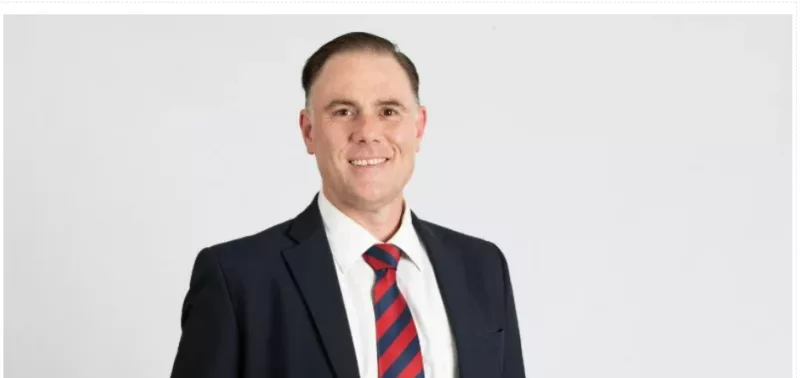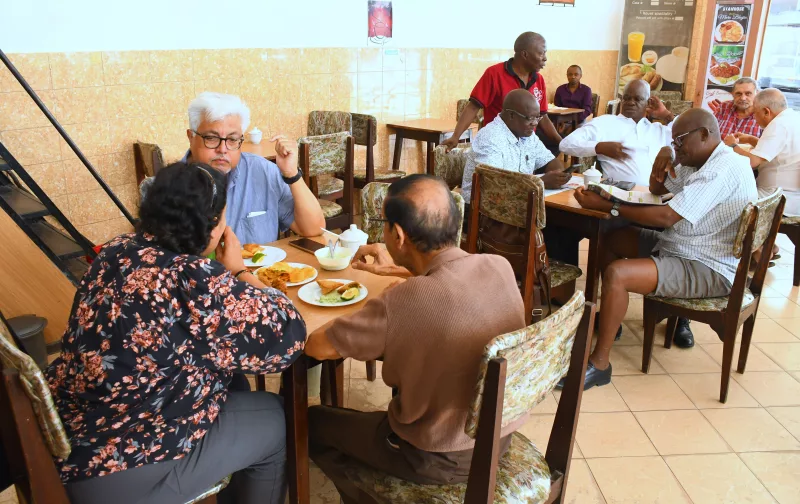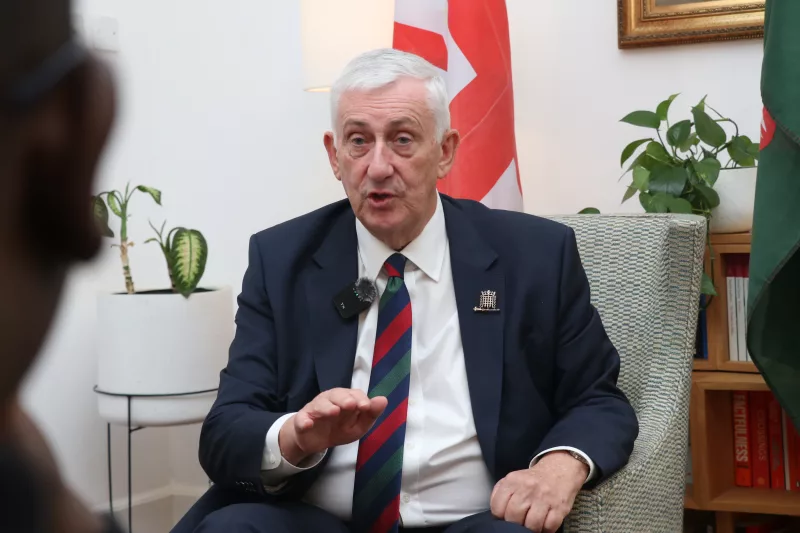
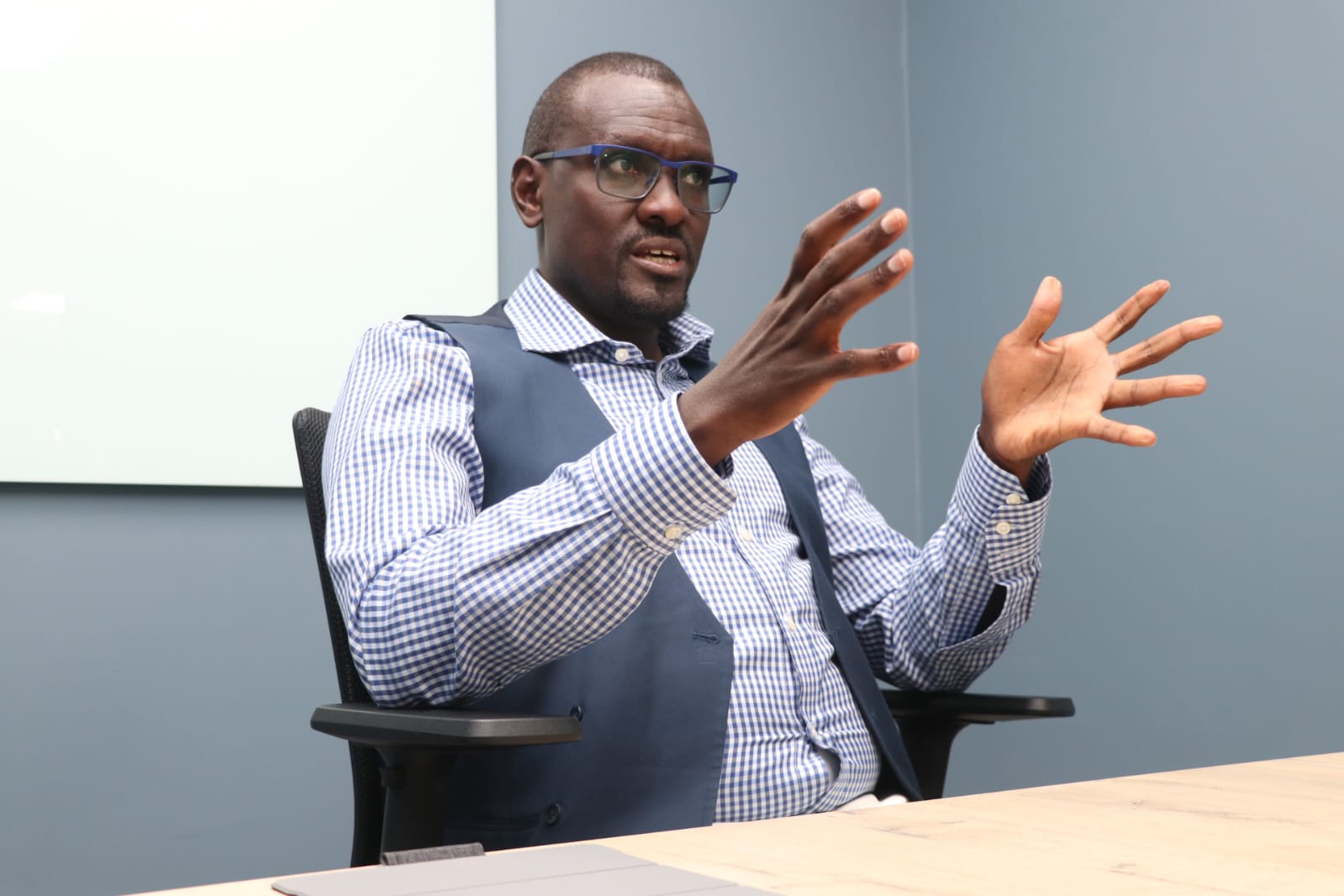
 Gates Foundation East Africa regional representative Samburu Wa-Shiko speaking during an interview at foundation offices, Riverside, Nairobi/LEAH MUKANGAI.
“But we can stop this reversal before it becomes a trend, even in a time of tight budgets,” foundation chair Bill Gates said.
After the report was launched, the Star sat down in Nairobi with Samburu Wa-Shiko, the regional representative for the Gates Foundation overseeing the East Africa region, supporting partners in Kenya, Tanzania, Rwanda and Uganda. He spoke with John Muchangi. Here is the full conversation:
I think a good place to start is to contextualise what Goalkeepers is all about, and then we can get into the specifics. Goalkeepers is a flagship Gates Foundation initiative designed to accelerate progress, particularly on the first six Sustainable Development Goals. That is SDG 1 through 6, the majority of which focus on maternal and child health.
So Goalkeepers is a flagship event but it's also a series of moments, both global and regional, that convene key leaders, activists, advocates, policy makers and change makers at a community level, to concentrate minds around these big, important goals that are designed to accelerate reduction of maternal mortality and accelerate the progress we have seen on reduction of child mortality. So this year's goalkeepers' report, as you correctly note, is focused on child health, and very specifically calls attention to an emerging threat that we are witnessing around the reversal of some of the very important gains we have made on child health and child survival.
So, since 2000, the global community made steady progress in reducing child mortality. In 2024, for example, the total number of children we lost globally to under-five mortality was 4.6 million. In 2025, that number is projected to increase by 200,000 to about 4.8 million children.
As you can imagine, for communities right around the world, including communities in Kenya, nothing can be more devastating than losing a child.
What is even more regrettable is that children across many of our communities, and across the continent, are dying from causes we know and understand how to prevent.
What is driving this reversal in progress?
Fundamentally, starting in 2024 but really accelerated in 2025, there's been strong global efforts to understand the implications of the very dramatic ODA (Official Development Assistance) cuts. Now that we've done some of the modelling and data analysis, it's becoming very clear to us that the impact on development programmes across health, education and agriculture is going to be even more severe than originally projected, as suggested by some of the numbers we've just provided. Thus, an increase of about 200,000 additional deaths in just 2025.
So if you were to project forward to the next five, 10, 20 years, there's no doubt at all that some of these big gains we had seen are going to be reversed, and some of the goals we had set for ourselves around the SDGs are going to be unattainable.
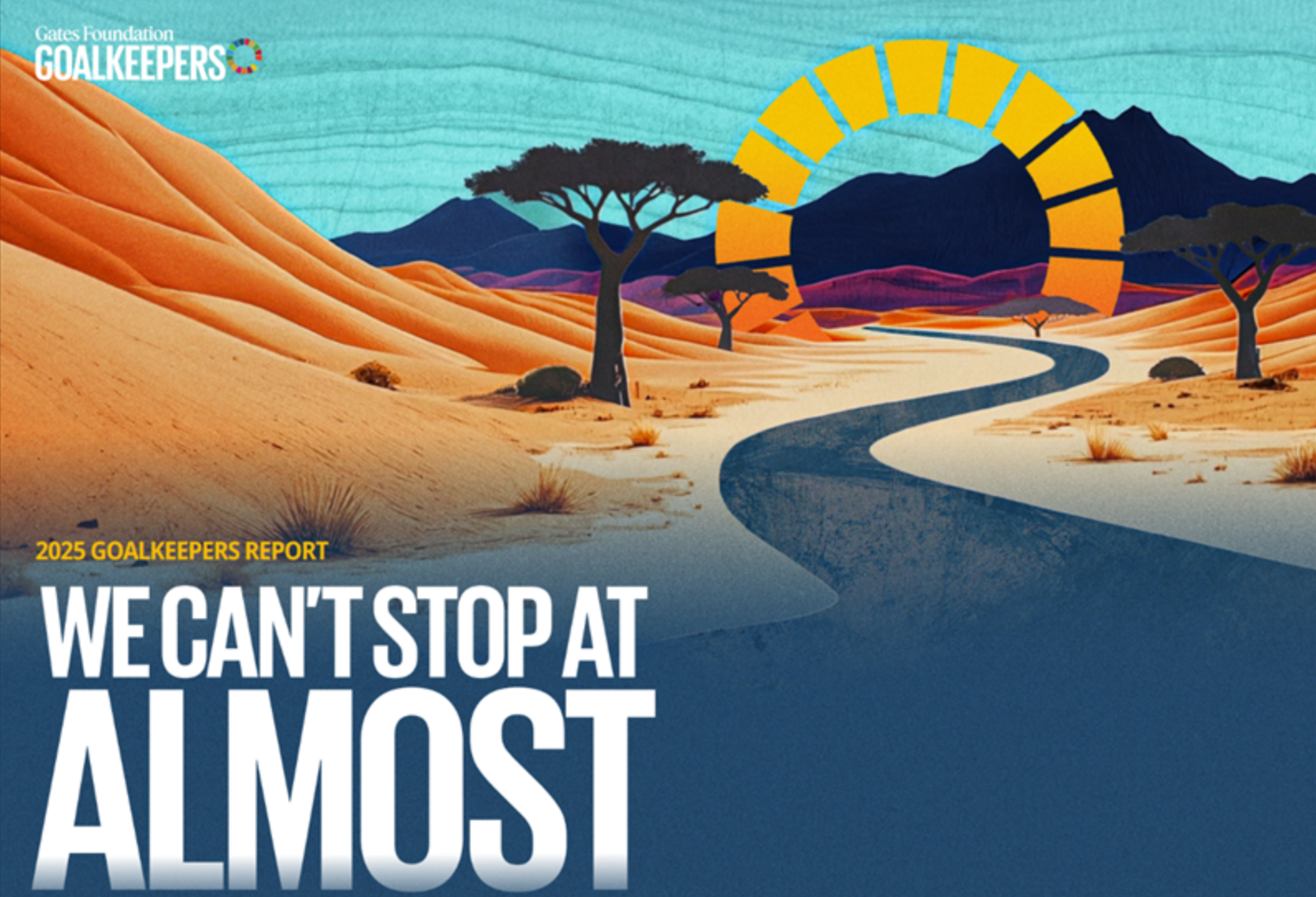 The 2025 Goalkeepers Report: If funding for health decreases by 20 per cent—the scale of cuts some major donor countries are currently considering— 12 million more children could die by 2045.
The theme of the report is ‘We Cannot Stop at Almost’. Can you explain what this means?
This theme was chosen very deliberately. It was designed to be provocative. But it was also designed to call attention to how close the global community was coming to achieving some of our key SDG goals, particularly around maternal health and child health. It's a lamentation, if you like, but also an effort at rallying the world's attention around the importance of finishing the job on a goal as important as child mortality and maternal mortality.
So We Cannot Stop At Almost is reminding us that the world has made tremendous progress. It's very critical that we stay focused on mobilising the resources required, particularly to global financing mechanisms such as GAVI, the Global Fund, Global Financing Facility and others to support us in finishing the job. It’s also a reminder that we have important new tools in our hands, including very exciting innovations that we can bring to bear to address the true challenge of maternal mortality and child mortality.
Still on funding cuts, last month Global Fund raised about $11.4 billion at its Eighth Replenishment (covering 2027-29) Summit in South Africa. This was way below the $18 billion target. Should we be worried?
Over the last number of years, entities like GAVI, the Global Fund, and GFF have emerged as very critical financing mechanisms for our global health programmes. GAVI funds upwards of 80-85 per cent of national immunisation programmes across Low- and Middle-Income Countries (LMICs), so there's no doubt at all that these are really critical mechanisms. The Global Fund is very critical for supporting national governments in addressing malaria, TB and HIV.
The Global Financing Facility is very critical for RMNCH (Reproductive, Maternal, Newborn and Child Health) programmes. What's critical to do at this juncture is to intensify our efforts at advocating for not just sustaining the levels of funding to these mechanisms but dramatically increasing funding, given the impact that these programmes have had over the years. The Gates Foundation, on the margins of the recent G20 summit in South Africa, made a $912 million pledge to the Global Fund.
We are expecting pledges still from other key partners. So we continue to call on some of our key partners to show up strongly in defence of these mechanisms. But at the same time, the current funding crisis serves as a really important wake-up call for governments right across the continent to prioritise spending, particularly on their key social programmes, health being one of them, education and agriculture. It's no longer tenable for African governments to be reliant on the external world for funding their core primary healthcare programmes.
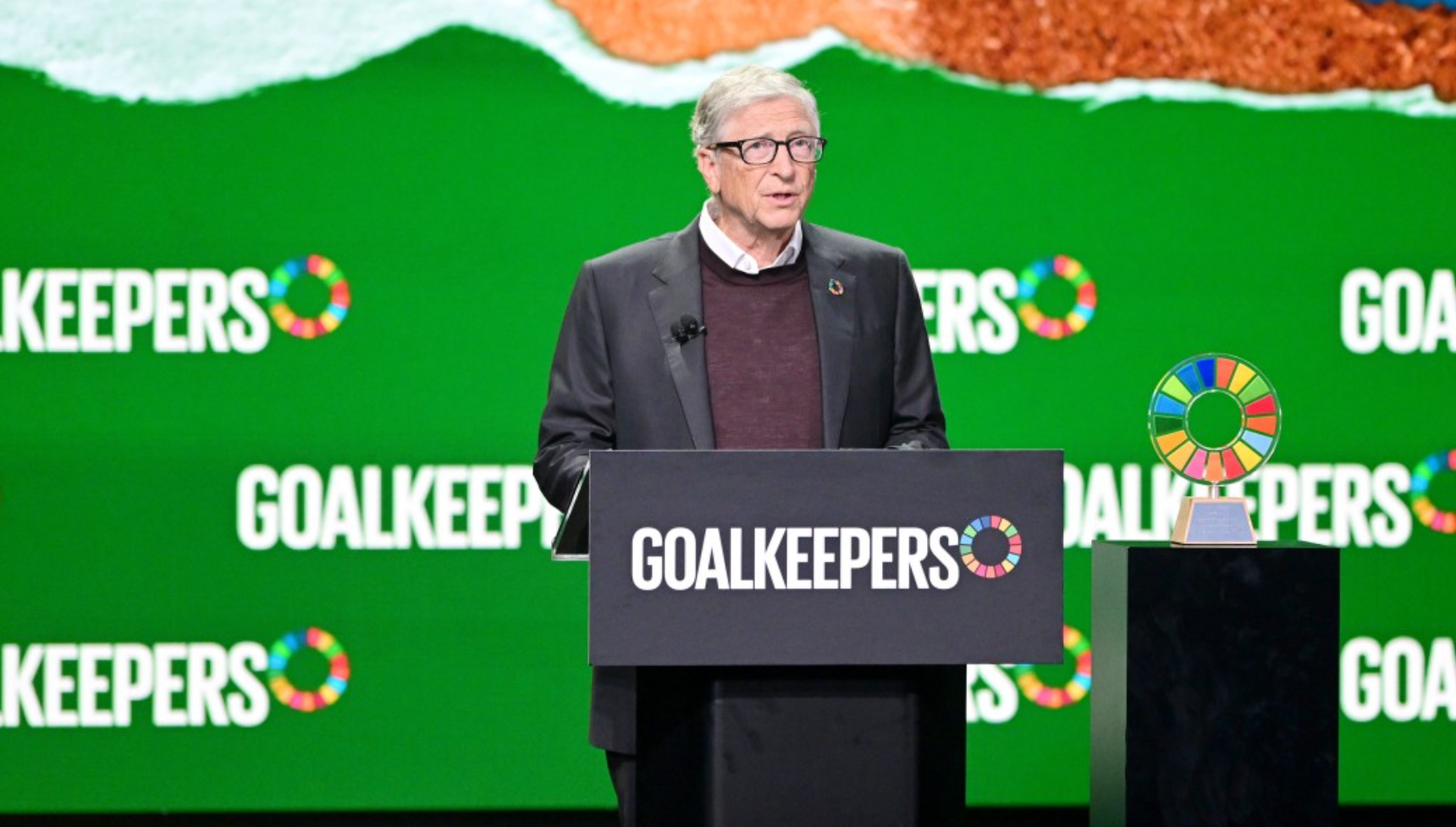 Bill Gates: We could be the generation that had access to the most advanced science and innovation in human history—but couldn't get the funding together to ensure it saved lives.
The Goalkeeper's report also mentions some innovations to tackle maternal and child deaths. Which ones give you a lot of hope for Kenyan children?
First is the amount of strong political commitment we have seen from the government of Kenya.
The President has been on record as declaring that our maternal mortality rate is not just unacceptable but also shameful. When you have that level of political attention and political commitment, it helps to galvanise the collective of actors to help address this.
You also have exciting innovations. In Kenya, we have supported over the years a number of key grantees to respond to some of these challenges. A good example is our partner Revital Healthcare, based at the Coast. Revital was a success story that emerged out of the horrors of Covid.
Revital was given a seed grant by the Gates Foundation to produce vaccine syringes to accelerate the efforts to address Covid vaccination. You'll recall that at the height of Covid, we were witnessing a lot of vaccine nationalism. It was very difficult to procure key pharmaceutical products that were required for administering vaccines.
Revital has since been able to pivot and has grown other value chains around diagnostics. For example, they have new diagnostic tools around malaria, HIV, TB and other disease areas.
So that's one example. And so our call to a lot of governments, including the government of Kenya, is to make investments that target the leading causes of these mortalities that affect children under five.
Another really important investment the foundation has made in Kenya is to a company called Njenbuma, who are manufacturing drapes to address the most important cause of maternal mortality, which is postpartum haemorrhage.
It's just very exciting that we have a partner here locally able to manufacture these critical drapes to supply Kenya, and countries in the region, including Rwanda, Zambia, Uganda, DRC and even countries as far out as Yemen.
The handheld ultrasound device can identify pregnancy complications early, and relevant referral pathways are suggested to the woman. Before Pocus, such complications could have easily resulted in an unsafe pregnancy.
Kenya has recently invested quite a lot in primary healthcare. From your vantage point, do you see our model in Kenya as likely also to deliver good results?
Our clarion call is to encourage African countries, including Kenya, to make what we call best buys in health. There's no doubt at all that primary healthcare (PHC) is one of the best buys.
When you start taking it apart, what does PHC refer to? It refers to the importance of investing in frontline health workers, right? In Kenya, these are referred to as our community health promoters. Effectively, this is your frontline army of health workers who help to prevent diseases and health challenges at the community level.
Another example of a PHC best buy would, of course, be national-level immunisation programmes, which we earlier referred to as routine immunisation. This has been proven to be very effective in protecting children against some of the leading causes of childhood diseases and eventually childhood mortality.
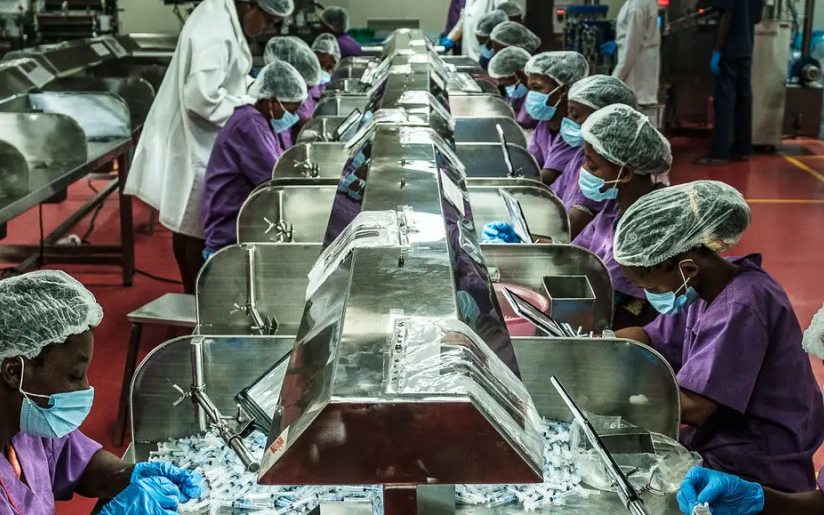 Workers produce syringes at the Revital Healthcare plant in Kilifi.
The Gates Foundation is now 25 years old, and has another 20 years to go. How is the journey so far?
The Gates Foundation was founded back in 2000. So in 2025, we were celebrating our 25th anniversary. It's been a moment of deep introspection, but an opportunity to also look back at the tremendous progress, the big achievements the foundation has been a part of over those 25 years, including contributing to the entities like Gavi, being very critical frontline actors in the setting up of the Global Fund and critical entities, such as the Alliance for a Green Revolution in Africa in the agricultural sector.
Looking forward, our leadership has announced that we have another 20 years to go. So by 2045, the foundation is going to be closing down our doors. We have three big North Stars that we are all going to be collectively galvanising around. Those three big North Stars are going to be our maternal, newborn, child and adolescent health programme, exactly what we've spent the last 20 minutes or so talking about.
There's also a big imperative around dramatically reducing infectious diseases to ensure that as much as possible, communities, particularly across our continent, are not afflicted by these infectious diseases. Malaria, HIV and diseases such as polio and TB remain a leading concern. So that becomes a second imperative.
And then the third imperative is our economic opportunities imperative, which is really focused on lifting as many people as possible out of poverty, particularly in Africa and other developing countries.
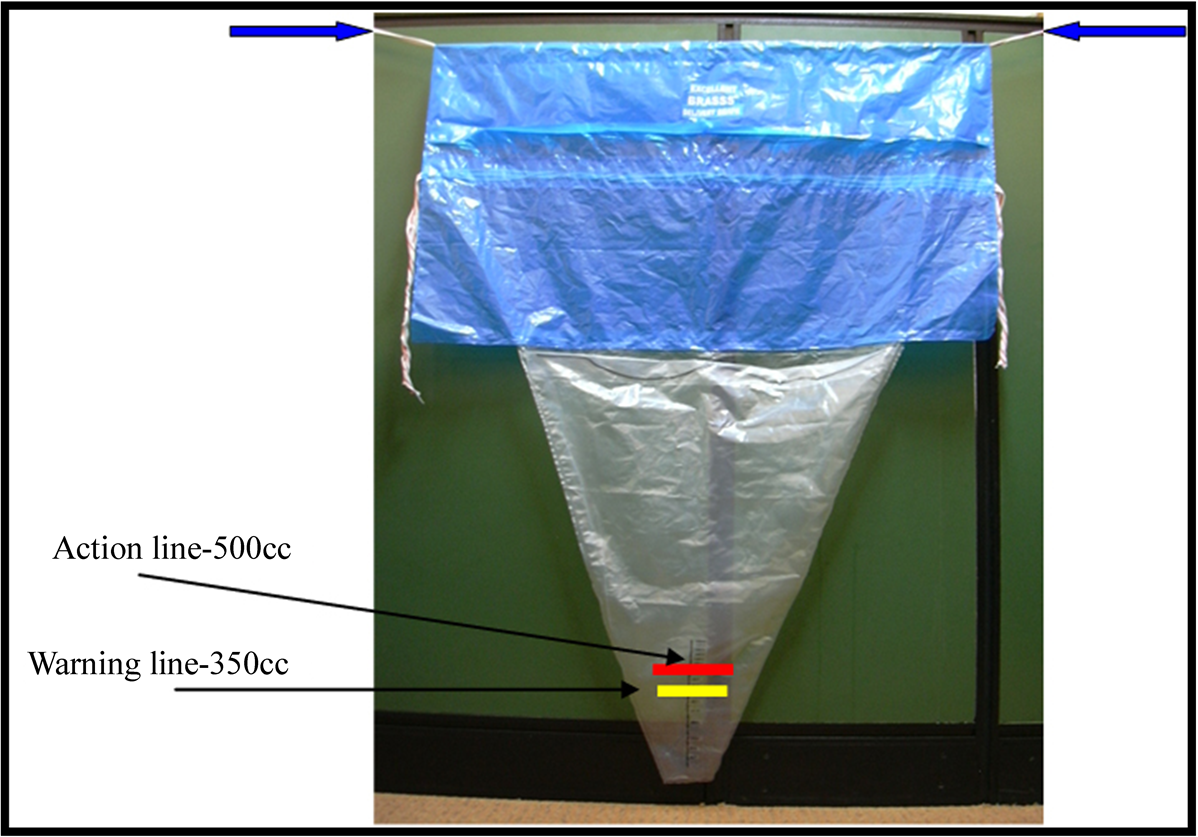 A drape that measures blood loss during delivery is a low-cost innovation that can reduce cases of maternal mortality.
Lastly, if you were to speak to two people, first a governor in Kenya and second a parent with small children, what would be your message to them?
It would be a message of hope and encouragement. To the governor, Kenya has a very rare opening now on maternal and child health with this very strong political push that we have seen.
We're aware that Kenya has just launched a Rapid Results Initiative on maternal and child health. For that to be successful, it must be a joint effort between the national government and county governments. So we'll be calling on county governments to join hands very strongly with the national government to drive this process forward.
We would also call on governments at national and sub-national levels to work collaboratively with the key donor collectives that have expressed an interest in addressing this twin challenge.
A really good example is the Beginnings Fund, which is a donor collective amongst five key donors, including the Gates Foundation.
And to parents with small children or would-be parents? The message of hope here is reminding communities, including in Kenya, of the journey that the world has walked to reduce maternal and child mortality.
It’s going to be important for mothers, especially expectant mothers, to observe the recommended four ANC visits. It's going to be really important that deliveries happen in facilities with qualified healthcare providers, just so that the pregnancy journey is safe and the delivery is happening under the watch of qualified healthcare providers.
And once we have our bundles of joy in our hands, it's critical that children are taken into facilities for the routine immunisation programmes, because we know that vaccines are safe and vaccines save lives.