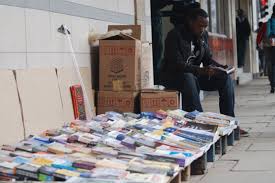
Book vendors in Nairobi’s CBD are facing dwindling sales and an uncertain future, following a directive by City Hall that relocated them from main streets to alleyways and backstreets.
The move is part of a broader “CBD Decongestion Programme” launched in 2024, aimed at reclaiming sidewalks from informal traders and enhancing the city’s image for investors and tourists.
For 15 years, Ian Njuguna ran his bookstall of political memoirs, old romance novels and newspapers on Kenyatta Avenue, where familiar customers would stop to browse and chat.
But for months now, however, he’s been stationed in a narrow, dimly lit alley off Moi Avenue, following a Nairobi City County directive that banned merchandise displays on main CBD streets.
“We’re barely making sales at the backstreet because our customers don’t feel safe coming here,” Njuguna says.
“It’s like we’ve been hidden.”
The policy is part of Governor Johnson Sakaja’s promise of “restoring the city to dignity and hope”, reclaiming its lost long lustre.
It is also about order, the administration says.
Since 2016, Otieno Odhiambo has been selling secondhand novels and educational textbooks at his stalls at Equity Bank, near Nation Centre.
“We used to be part of the city’s rhythm,” he said.
Odhiambo said the trade has been paying although Kenyans are not very good readers, but a few are consistent, especially in reading political materials. Youthful women like fantasy romantic novels.
“Now we’re tucked away in alleys that even we feel unsafe in,” he said.
The county maintains that the programme is necessary and all displaced vendors will be allocated proper trading spots.
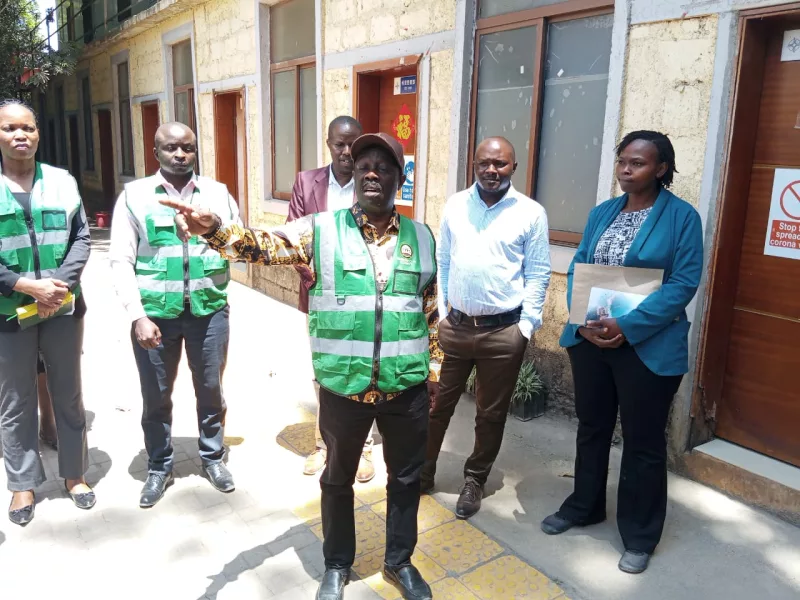
Appearing before the justice and legal affairs committee of the county assembly, trade chief officer Jane Wangui said consultations with vendor representatives are ongoing.
“There is a programme in place and we’re working to ensure every trader gets a safe, accessible location,” she said, noting the county’s recognition of vendors’ role in promoting literacy and knowledge.
In support of the plan, City Hall allocated Sh100 million to rehabilitate Nairobi’s neglected back lanes—promising paved walkways, lighting and shelters. But the reality, vendors say, is far from what was promised.
“The cabros are broken, some alleys are full of garbage, and at night it’s just darkness,” Joel Kimathi said. He now sells books from a cramped space off Tom Mboya Street.
“It’s not just bad for business, it’s dangerous.”
Kimathi, like others, questions why enforcement appears selective.
While book vendors have been pushed out, boda boda operators, photographers and general hawkers still line the main streets with minimal interference.
“Why us?” Beatrice Waithera asked. She is one of the few women in the trade, who used to operate near Archives on Moi Avenue.
“We sell books—educational materials. We’re not the ones blocking pavements. But we’re treated like we don’t belong.”
The traders argue their work supports the public good—providing affordable access to reading materials, especially for students and low-income earners. Many see their trade as aligning with Kenya’s Vision 2030 development goals, particularly in education and literacy.
“Our customers would pick a newspaper on their way to work, maybe grab a novel for the weekend,” James Otieno, who was relocated from Aga Khan Walk, said.
“Now, unless someone knows exactly where to find me, they won’t come looking. We've lost casual browsers.”
As traders wait for word on formal allocation of space, frustration continues to grow.
They are calling not only for inclusion in planning processes but also for dignity—recognition that theirs is a trade that adds cultural and intellectual value to the city.
“We’re not just selling books, we’re keeping knowledge alive on the streets. But you can’t do that in a back alley where no one can see you,” Njuguna said.
Instant analysis
The forced relocation of book vendors reveals a deeper tension between urban modernisation and informal economies. While the county seeks order, it risks erasing street-level culture that has long defined Nairobi’s city centre.