Pig farming can be profitable, but good returns depend on management decisions made from the moment a farmer selects breeding stock.
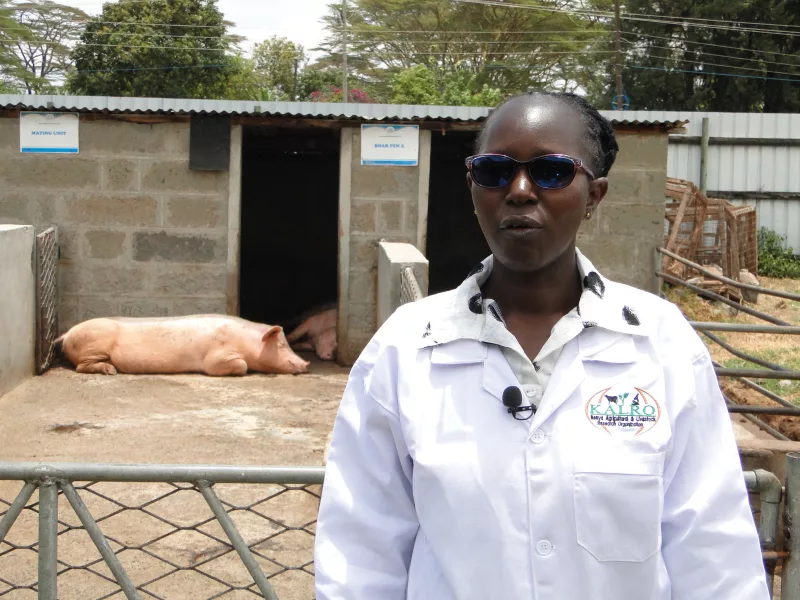
Farmers should select breeds according to their production objective. Kalro keeps Large White, Landrace, Duroc and Hampshire pigs and their crosses.
Large White and Landrace are important for breeding programmes, while Duroc and Hampshire are valued for growth and meat production characteristics.
Kalro data puts the average litter size of Large White at 10 to14 piglets and Landrace at 11 to 13 or more. Large White pigs can reach 90 to 110kg at slaughter at about five to six months, while Landrace can reach 95 to 105kg at about 5.5 to 6 months.
Feed is the biggest production expense, accounting for more than 70 per cent of production costs, according to Kalro's feeding guidelines.
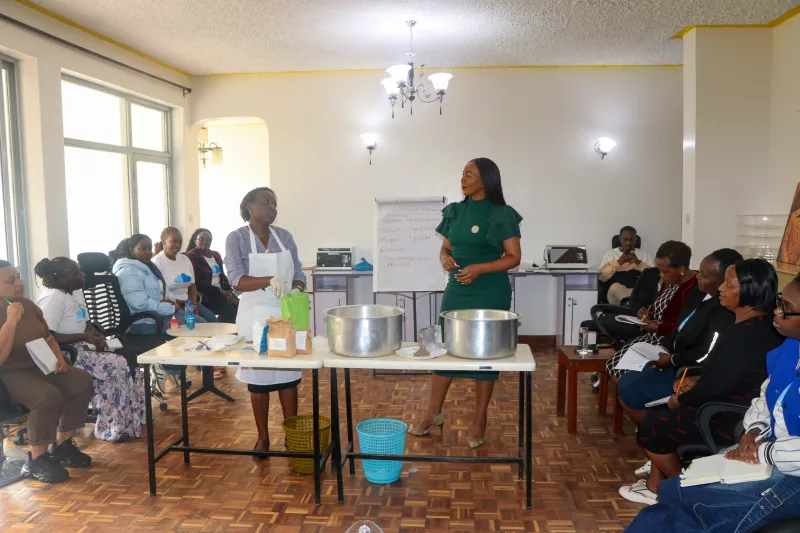
Young pigs should move through the appropriate feeding stages, beginning with creep feed and progressing to starter, grower and finisher rations. Lactating and breeding sows require diets formulated for their particular needs.
Kalro recommends about 18 per cent crude protein for weaners and 14 to 16 per cent for growers and finishers. Nutritional requirements also include energy, fat, fibre, calcium and phosphorus.
Feed should not be judged by how much it fills a pig. Kalro feed manager Victor Opiyo says a balanced ration must provide the right combination of energy, protein, minerals and amino acids.
Farmers should consider the feed conversion rate (FCR) of the different breeds before deciding which ones to rear. The FCR shows how much feed a pig needs to gain weight.
For example, an FCR of 3:1 means a pig eats 3kg of feed to gain 1 kg of body weight. Generally, a lower FCR is better because the pig converts feed into meat more efficiently.
Pigs need adequate clean water throughout the day. Water sources and drinkers should be kept clean because contaminated water can undermine otherwise good feeding and management.
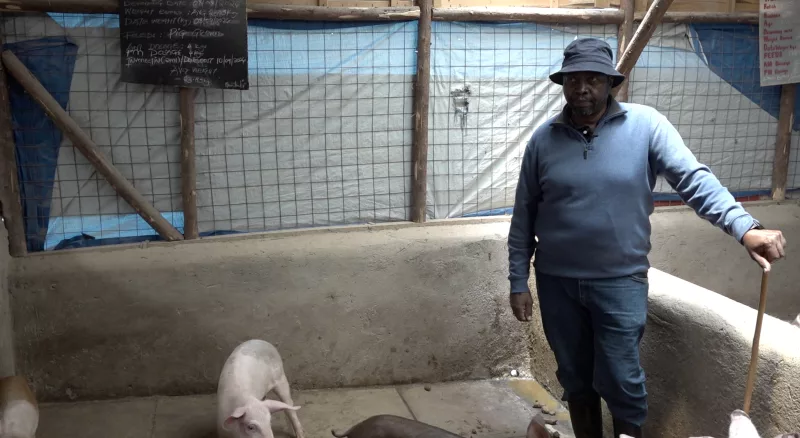
Biosecurity should begin with the farm itself. Housing should be cleaned and disinfected regularly, while equipment such as feeding utensils and wheelbarrows should also be kept clean.
New pigs should be isolated for about two to three weeks before being introduced to the existing herd. Visitors should be restricted and farmers should use appropriate footbaths and protective clothing.
Daily observation is important. Changes in appetite, body condition or behaviour may provide an early warning of disease.
African swine fever is particularly dangerous because it can cause severe losses. Kalro notes that there is no cure or vaccine, making prevention and disease control essential.
Farmers should record breeding, births, growth, feed use, treatment and sales. Such records help identify slow-growing animals and reveal whether feed and other inputs are generating a return.
Before expanding the herd, farmers should also consider where the pigs will be sold, the expected market weight and the cost of feeding them to that point.
The goal is not simply to keep more pigs. It is to produce healthy animals efficiently, at the right weight and cost, while having a reliable market for them.