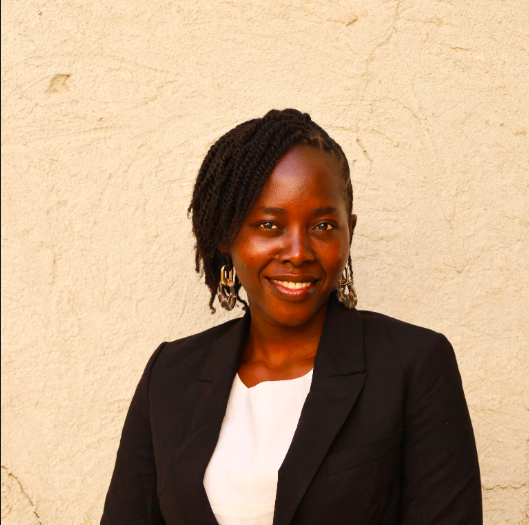

For Grace Kanyi* (not her real name), seeking healthcare was supposed to bring relief from a problem that had become increasingly painful and uncomfortable. She was struggling to pass urine, sometimes experiencing severe pain, while also going four to five days without using the toilet.
When the problem persisted, Grace went to hospital and was advised to undergo a minor surgical procedure. But after the surgery, she was not given enough information about what had been done, leaving her with unanswered questions.
“Because of this, I was eventually discharged while I still did not fully understand what was happening with my body,” she says.
Three days later, her condition worsened, with severe constipation and intense pain.
“I felt that I had trusted the healthcare system with my body. As an intersex person, I already have many questions about my body and health, so when healthcare providers do not explain things clearly, it becomes even harder,” Grace says.
Grace was born intersex and raised as a girl, a journey that saw her going in and out of hospital.
“Growing up as an intersex person was not easy. From a young age, I went through many medical procedures and surgeries, and I did not always understand why these things were happening to my body,” she says.
According to Cleveland Clinic, an intersex person is born with sex traits that do not fit typical male or female patterns. These traits may involve chromosomes, hormones, reproductive organs or genitals.
MISUNDERSTOOD LOT
As Grace grew older, questions about her body, the medical interventions she had undergone and what being intersex meant for her future lingered.
She experienced stigma and rejection, but channelled her ordeal into advocacy.
“These experiences have made me stronger and more confident in who I am today. They also made me want to speak up for other intersex people so that they do not go through the same struggles alone,” she says.
Accessing sexual and reproductive healthcare as an adult has brought another set of challenges.
“I have had to learn a lot about my own body and advocate for myself when seeking healthcare because my health has been so disappointing,” she says.
Grace is among 1,524 intersex persons registered in the country who have difficulties accessing sexual reproductive health.
For David Washe*, navigating reproductive healthcare has also been marked by uncertainty, discomfort and fear.
David says some of the biggest challenges arise from limited understanding of intersex bodies, particularly around fertility, hormones and the medical examinations.
“There is also a lot of scrutiny of our bodies, and that can make you insecure,” David says, adding that the problem is compounded when specialised care is required.
David says intersex people may need healthcare providers with a deeper understanding of variations in sex characteristics.
“Even something as basic as access to condoms and other preventive materials can come with limitations when services are designed primarily around conventional assumptions about male and female bodies,” David says.
For some, the impact goes beyond a single healthcare encounter. David says negative experiences can make intersex people reluctant to return to health facilities.
“There is a fear of accessing healthcare because of previous experiences and trauma. You can also become afraid of getting another diagnosis because you do not know how you will be treated or what you will be told,” David says.
WHAT KENYA CAN DO
For David, addressing these challenges requires changes both in medical training and in the implementation of policies that already recognise the rights and healthcare needs of intersex people.
“Medical institutions should include intersex health as a basic part of the curriculum, giving future healthcare workers a foundation in variations in sex characteristics,” David says.
The goal, he says, is not to create a separate health system for intersex people, but to ensure that the existing system is equipped to understand variations in sex characteristics and provide care without adding to the distress patients may already experience.
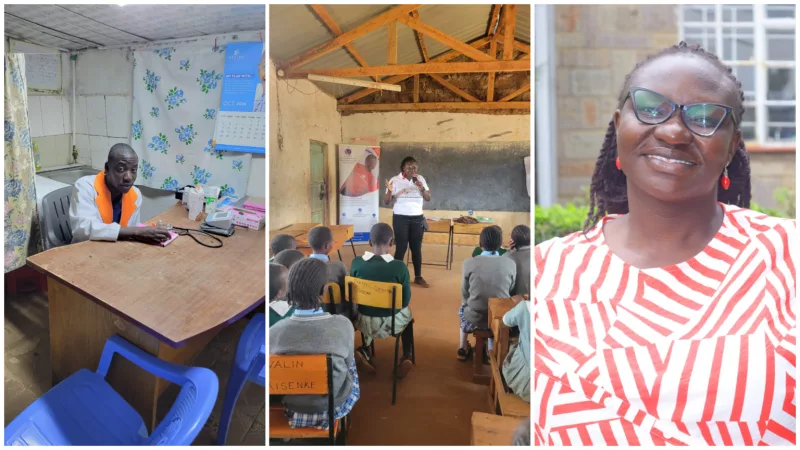
Fahe Kerubo, who advocates health and rights for LGBTIQ+ and key populations (groups at higher risk of HIV), says the challenges facing intersex people extend beyond whether someone can physically enter a health facility and access a service.
Kerubo says the healthcare system can sometimes operate on the assumption that every patient's body fits neatly into typical male or female categories.
“That can affect something as basic as registration and medical records, but it can also affect clinical assessment, reproductive healthcare, fertility counselling, sexual health services, examinations and referrals,” Kerubo says.
“An intersex person may have to repeatedly disclose highly personal information. If that disclosure is met with curiosity, judgement or stigma, the person may choose not to disclose important information in future.”
For Grace, that has meant repeatedly having to explain her body and the circumstances surrounding being intersex before receiving the care she needs.
“There have been times when I felt that healthcare providers did not understand my situation as an intersex person. Sometimes you go to the hospital expecting to be listened to, but instead you feel judged or misunderstood. That can make you afraid to seek healthcare again,” Grace says.
Kerubo says the most significant needs include accurate diagnosis, appropriate and timely medical care.
“Their healthcare needs cannot be treated as one uniform category. Some may require ongoing hormonal, reproductive, endocrine or other specialised care, while others may not require medical intervention related to their intersex variation at all,” Kerubo says.
Where an intersex person has a medical condition requiring treatment or monitoring, delayed diagnosis or care can result in avoidable health complications.
“At the same time, inappropriate or unnecessary interventions can themselves have lifelong physical and psychological consequences,” Kerubo says.
“If decisions affecting reproductive anatomy, hormones or fertility are made during childhood without adequate consideration of the person’s future autonomy, those decisions may affect their later choices about their body, sexuality and reproduction.”
This is why, Kerubo argues, the answer cannot simply be to intervene as early as possible whenever a child is identified as intersex.
“This is why I would be careful about framing the solution simply as ‘early treatment’,” Kerubo says.
“For intersex children, early access to appropriate assessment and support is important, but that does not automatically mean early irreversible medical intervention.”
GAPS REMAINThe Ministry of Health says Kenya already has a policy framework that recognises the sexual and reproductive healthcare needs and rights of intersex people.
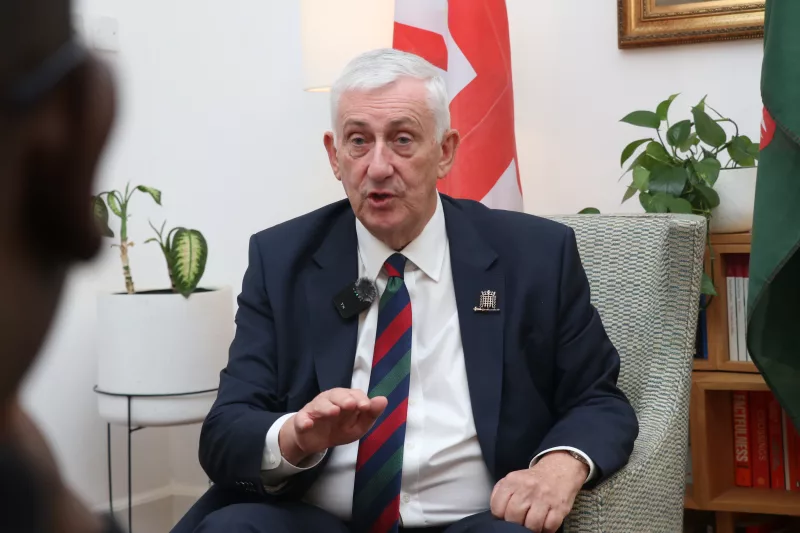
Health CS Aden Duale says government is committed to ensuring equitable access to quality healthcare for all Kenyans, including intersex persons, in line with Article 43 of the Constitution, the Kenya Health Policy, Universal Health Coverage goals and the National Reproductive Health Policy 2022–2032.
According to Duale, the National Reproductive Health Policy recognises intersex variations as congenital conditions of sex development and affirms the right of people born intersex to attain the highest standards of reproductive health.
“It also outlaws discrimination and forced premature medical sex reassignment and directs that a multidisciplinary team be constituted to confirm diagnosis, treatment and rehabilitation, " he says.
Duale says intersex people access reproductive, maternal, newborn, child, adolescent and adult health services through the existing continuum of care, with healthcare workers expected to provide respectful, confidential and non-discriminatory services irrespective of sex characteristics.
However, Duale acknowledges that the policy framework has not yet been matched by comprehensive national clinical guidance.
“While Kenya has strengthened the legal recognition of intersex persons, the Ministry acknowledges that comprehensive national clinical guidelines specifically addressing diagnosis, long-term management, fertility preservation and counselling, family planning, hormone therapy and preventive care for intersex persons are still under development,” Duale says.
“Until such guidance is finalized, clinical management is informed by available specialist expertise, multidisciplinary case review, and international evidence-based guidance.”
Duale identified several gaps, including limited awareness and competency among healthcare providers regarding variations in sex characteristics, the absence of standardised national clinical management guidelines among others.
SEARCH FOR SOLUTION
To address these gaps, Duale says the ministry is working with relevant government agencies, professional regulatory bodies, development partners and intersex-led organisations.
“There is planned interventions, development and dissemination of standardised clinical guidance for healthcare workers covering diagnosis, treatment, fertility counselling, family planning and preventive care; integration of intersex health into pre-service and in-service training programmes,” the CS says.
The ministry will also strengthen referral networks for multidisciplinary care, improving counselling and mental health support.
“These efforts are intended to improve equitable access to comprehensive sexual and reproductive healthcare throughout the life course,” he says.
The proposed Intersex Persons Bill, 2024 seeks to consolidate and strengthen protections, including provisions relating to healthcare, informed consent and protection from harmful practices.
But policy recognition does not automatically mean that a person seeking care will experience those protections at the health facility.
Duale acknowledges that there is currently no standalone national implementation timeline dedicated exclusively to intersex healthcare, with relevant actions instead being incorporated into ongoing health sector reforms, Reproductive, Maternal, Newborn, Child and Adolescent Health programming, policy reviews and Universal Health Coverage implementation processes.
For LGBTQ+ advocate Kerubo, meaningful participation of intersex people in the development of healthcare systems is essential.
“Intersex people should not only be consulted after policies are drafted; they should be part of designing the healthcare response from the beginning,” Kerubo says.
Grace’s and David’s experiences have shaped what they believe needs to change.
Healthcare providers, Grace says, need to listen to intersex people.
“They need to explain procedures clearly, give proper information before and after treatment, and take our concerns seriously,” she says.
“We deserve to understand what is happening to our bodies and to receive care with dignity and respect.”
For David, better care should begin much earlier than adulthood.
Looking back, he wishes there had been honest information about the body from the beginning and greater support for the family to understand what was happening, rather than decisions being made without sufficient information.
“I also wish my family and healthcare providers had received better information about intersex people so that I could have grown up with more understanding, confidence and support.”
For Kerubo, that means building a health system capable of providing appropriate care across the entire healthcare journey.