There are political ideas that belong to election seasons, and there are ideas that become a leader’s life’s work.
For our founding ODM leader, Raila Odinga, universal healthcare was never merely a manifesto promise. It was a question of justice, dignity and the kind of country Kenya ought to become.
Baba understood a simple truth: illness should never become a sentence to poverty. A mother should not have to choose between food and taking her child to hospital.
A pensioner should not postpone treatment because the bill is beyond reach. A family should not lose everything it has built because one member falls seriously ill.
That conviction is at the heart of BabaCare: a Kenya in which access to healthcare is determined by need, not by the size of one’s wallet, a Kenya in which every citizen can enter a public health facility confident that they will be treated with dignity.
Now that Baba is no longer with us, we face a moral test. Do we reduce his legacy to remembrance and anniversaries, or do we complete the causes to which he gave his life? As deputy party leader of ODM, I believe the answer is clear. The truest tribute we can pay Raila is to turn his unfinished aspirations into functioning public policy. Universal healthcare must be one of them.
In Mombasa, we have spent the past four years trying to make that principle tangible. We have expanded our health workforce from roughly 2,239 employees in 2022 to more than 3,700 today, strengthened specialist services at the Coast General Teaching and Referral Hospital, expanded cancer care and invested in new facilities and equipment.
But the real measure of healthcare is whether a patient who needs help can receive it. That is why, during this Mwezi wa Baba, Mombasa county decided to offer healthcare services in our county facilities free of charge throughout October.
The response has been revealing. Our hospitals have seen a major increase in patient numbers, including people travelling from outside Mombasa. The message is clear: Kenya has enormous unmet demand for healthcare and cost remains one of the biggest barriers between citizens and treatment. Remove that barrier, and people come.
Our experience has produced lessons that should inform the national conversation.
First, free care must be financed. Universal healthcare cannot survive on goodwill, slogans or temporary waivers. It requires a sustainable financing mechanism that follows the patient and keeps facilities functioning. Mombasa embraced the Social Health Authority because we understood this. Since the inception of SHA, healthcare providers in Mombasa have received about Sh7.8 billion in reimbursements, helping facilities provide services, purchase medicines and sustain care.
Healthcare reform must therefore not become a theatre for political point-scoring. Where systems work, we should strengthen them. Where they fail, we should fix them. The patient must remain at the centre.
Second, access creates demand, and demand requires capacity. During Mwezi wa Baba, we have had to respond rapidly.
We have engaged Kemsa on medicine availability, expanded partnerships to meet demand for laboratory reagents, and worked with the Digital Health Authority to secure additional registration equipment so patients spend less time waiting.
We have also embarked on short-term recruitment of an additional 447 healthcare workers. Universal healthcare is not simply about removing fees. It means enough health workers, medicines on the shelves, functioning diagnostics and referral systems that can withstand pressure.
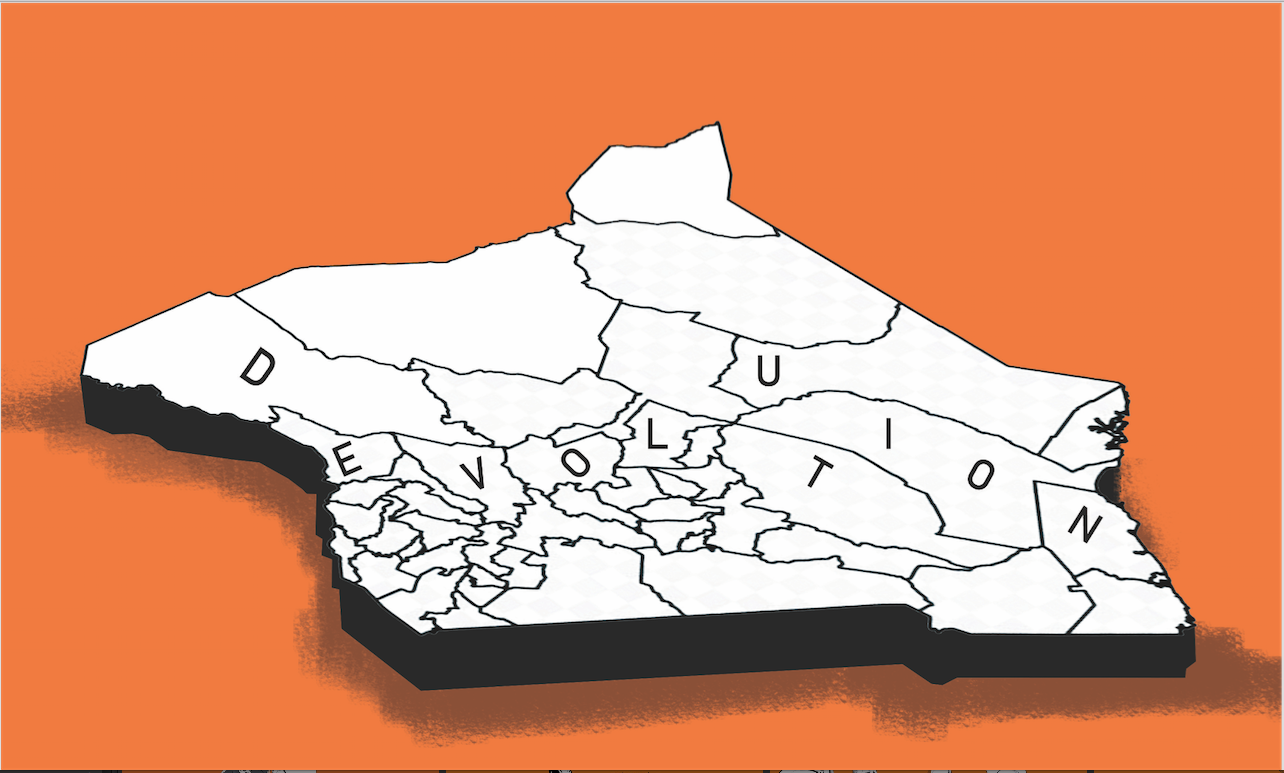
Third, devolution must remain central to Kenya’s healthcare transformation. Healthcare is experienced locally ¾ in dispensaries, health centres, maternity wards, level 4 hospitals and county referral facilities. National policy and financing are indispensable, but the citizen ultimately encounters the health system through county institutions.
That requires a mature partnership between the national government and county governments. Kenyans do not care which level employs the doctor, funds the equipment or pays the claim. They care that the doctor is present, the equipment works and the bill does not destroy the family.
Baba understood this because he understood devolution. His struggle was always about bringing power, resources and dignity closer to ordinary citizens. BabaCare belongs to the same political philosophy: moving healthcare from the realm of privilege into the realm of rights.
Mwezi wa Baba has also reminded us that universal healthcare is an act of solidarity. The healthy contribute knowing they may fall ill tomorrow. The young support a system they will one day depend on. The better-off help sustain a social compact in which poverty does not become a death sentence.
As ODM, we must carry BabaCare forward not as nostalgia or a slogan, but as a serious policy commitment. No Kenyan should sell land, livestock or household possessions because a loved one became sick. No child should miss treatment because a parent has no cash that week. No elderly citizen should fear illness because healthcare is beyond reach.
Mombasa’s experience during Mwezi wa Baba has shown us both the promise and the difficulty of that ambition. Demand is real. Financing matters. Workforce capacity matters. Medicines, diagnostics and digital systems matter. Cooperation between levels of government matters. Above all, leadership that treats healthcare as a right rather than a favour matters.
Baba spent his life insisting that a fairer Kenya was possible; a country in which public institutions served ordinary people with dignity and where one’s circumstances did not determine access to essential services.
He has completed his journey. The obligation now belongs to us.
If we truly wish to honour Raila, then one of the greatest monuments we can build in his memory will not be made of stone. It will be a functioning health system in which every Kenyan can seek treatment without fear of financial ruin.
That is BabaCare. It is part of the promise he left us. And it is a promise we must finish.
Nassir is the governor of Mombasa and ODM deputy leader