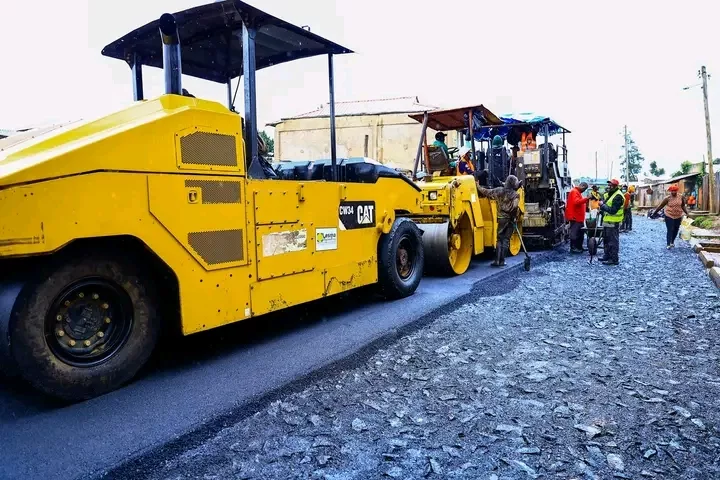
For decades, Magadi Road has been synonymous with gruelling traffic gridlock. Connecting the Bomas of Kenya through the bustling hubs of Ongata Rongai and Kiserian up to Corner Baridi, this critical artery has long virtually buckled under the weight of rapid, unplanned urban sprawl.
However, the national government's planned expansion and dualling of this 20-plus kilometre corridor is more than just a remedy for local commuters — it is a massive economic opening for the Nairobi Metropolitan Area and Kenya as a whole.
As Nairobi’s traditional borders choke under intense population pressure and sky-high land prices, the expansion of Magadi Road is a crucial release valve. It directly addresses the capital’s most pressing crisis: congestion.
By transforming this single-lane bottleneck into a high-capacity, dual-carriageway highway, the project will drastically slash transit times.
Suburbs that once felt painfully isolated due to systemic traffic jams will seamlessly integrate into the capital’s economic fold.
Beyond housing and industrialisation, this highway unlocks Kajiado's lowest-hanging economic fruit: a booming tourism and leisure sector.
The scenic escarpments leading down toward Lake Magadi and onward to the prehistoric paths of the Olduvai Gorge possess immense natural appeal, but they are currently bottlenecked by legacy infrastructure.
On any given weekend, thousands of Nairobi residents look to escape the concrete jungle, flocking to iconic spots like Olepolos and Olooltepes for weekend outings and cultural experiences.
Currently, these travellers must brave punishing traffic just to leave the city limits. By transforming Magadi Road into a seamless dual carriageway, the government will unleash a flood of domestic and international tourist activities.
It positions the entire Corner Baridi frontier as the ultimate weekend gateway, turning natural beauty into immediate hospitality revenue.
The true magic of this infrastructure project lies at its endpoint: Corner Baridi and the expansive, underutilised landscapes beyond it. Right where the dualling terminates, thousands of acres of pristine, affordable land lie waiting.
In a country where the cost of a quarter-acre in overdeveloped metropolitan zones like Kiambu or Machakos can be prohibitive for the average family or investor, the outlying areas of Kajiado offer a viable alternative.
This expansion opens up massive tracts of lower-cost land capable of comfortably accommodating a large population.
It paves the way for master-planned, affordable housing estates, letting ordinary Kenyans realise the dream of home ownership without the suffocating density of the inner city.
Furthermore, this road is the key to balancing regional development. For years, counties like Kiambu and Machakos have reaped the massive windfalls of the Nairobi Metropolitan Services framework, drawing in multi-billion-shilling industrial parks, gated communities, and prestigious universities. Kajiado county possesses exactly the same potential, but it has been held back by legacy infrastructure.
By pushing the dual carriageway all the way to Corner Baridi, the government is effectively rolling out the red carpet for large-scale institutional and commercial investment.
Cheap land paired with world-class road access makes this corridor the ideal destination for upcoming public and private universities, manufacturing plants, and light industries. This shift will create localised employment hubs, ensuring that residents no longer have to make the daily migratory trek into Nairobi's CBD just to earn a living.
Infrastructure is the ultimate democratiser of wealth. The Bomas-Corner Baridi dualling is not just an investment in asphalt and concrete; it is a blueprint for Kenya’s future.
By decongesting the capital, offering affordable land to a growing population, and transforming Kajiado into a vibrant industrial, academic, and tourism powerhouse, this project sets the stage for a more prosperous, balanced and sustainable Kenya.
Resident and investor