In 2008, beforeBarack Obama defeated Hillary Clinton in the Democratic Party primary nomination, a vocal faction of passionate Clinton supporters issued an ultimatum: if Hillary was not the nominee, they would not vote for Obama. Some threatened to stay home, others said they would vote for Republican John McCain.
They called themselves Puma. If you wish to amuse yourself, head over to your favourite search engine and learn what that stands for: Party Unity, My Ass, rebranded to People United Means Action.
It was a defiant move unlike any seen before to express this faction’s anger over what they deemed a missed opportunity to make history as Clinton had come painfully close to becoming the first woman nominated for president by a major American party.
They blamed the Democratic Party nomination rules and believed Hillary had faced sexism and unfair treatment. Their grievances threatened Obama’s prospects of being elected for sure.
Fortunately, Clinton endorsed Obama and campaigned for him and most of her supporters heeded her call to rally behind Obama’s bid, which itself was poised to and did indeed make history as Obama became the first son from Africa to become US president.
These Puma voters ultimately understood that helping McCain win would not advance the policies for which they had supported Clinton.
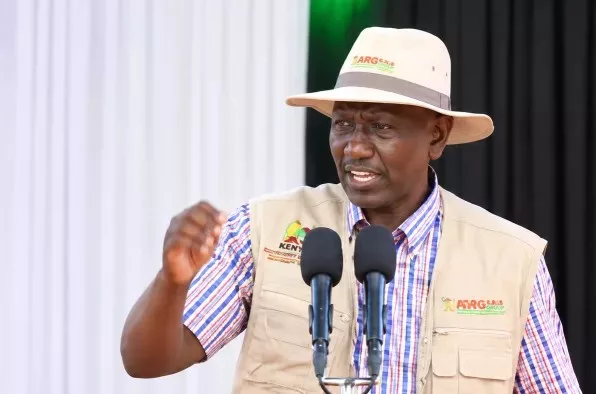
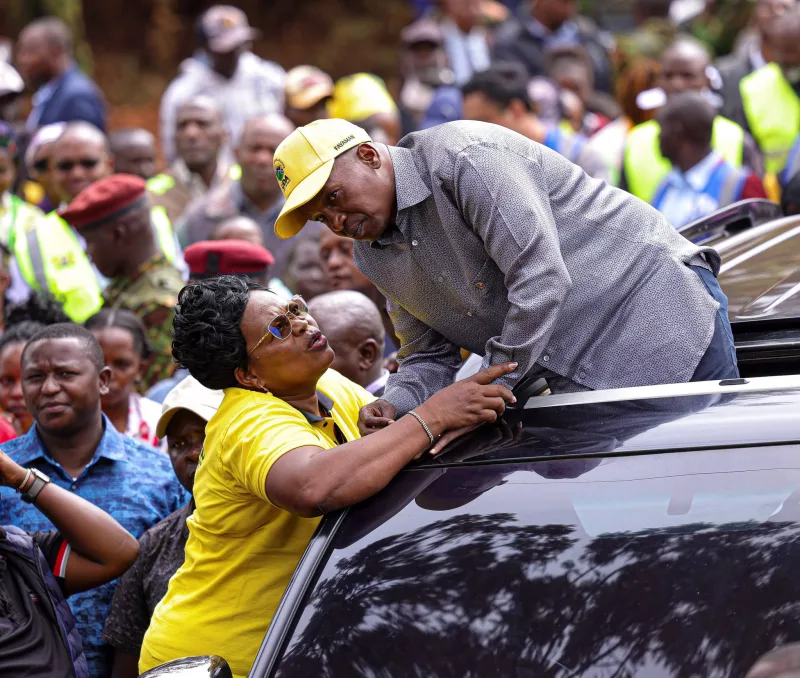
I hear an echo of that episode in Kenya. Some supporters of Edwin Sifuna say they will not vote unless he is the opposition candidate. Some supporters of Kalonzo Musyoka say the same about him. Some of the same supporters even threaten to vote for President William Ruto, whose reelection they otherwise vehemently oppose.
Whose grievance carries more weight?
Clinton’s supporters had watched a historic candidacy narrowly fail after a bruising national contest. Their sense of injury went beyond loyalty to one politician. It reflected a longstanding barrier facing women in American politics.
Kalonzo’s supporters point to his political history. In his view, which is their view, he has waited through successive elections in each of which he was the running mate.
Sifuna’s supporters have a different argument. They claim he represents generational change. Linda Mwananchi has endorsed him as its candidate. They further claim it would not be fair to dismiss him because he has not waited as long as others have.
On balance, Clinton’s supporters had the strongest claim to a historical grievance. Kalonzo’s camp has a claim based on his long illustrious career, including serving as vice-president, to which one commentator noted this would be a good time for him to retire. Sifuna’s supporters point to the need for renewal. None of these assertions are good reason to help reelect the politician they say must go.
Turning support for Sifuna or Kalonzo into an ultimatum — “my candidate or I won’t vote” or “I’ll vote for Ruto” — reduces a demand for political change into a personal loyalty test. It encourages contenders to threaten the coalition instead of persuading it, and makes honest negotiation impossible when every faction reserves the right to walk away.
The opposition cannot ask Kenyans to trust a promise of collective leadership unless its own leaders agree on a credible selection process, meaningful roles for all and a shared reason to campaign together beyond simply opposing Ruto.
If that fails, supporters should back the opposition candidate they believe can win in the first round, then unite behind whichever opposition contender reaches a run-off, if one occurs — and one can rest assured that’ll likely be the case were we to have more than one serious opposition candidate on the ballot.
In 2008, Clinton asked her disappointed supporters to look beyond the nomination fight. Kenya’s opposition leaders must be willing to make the same appeal.
Their supporters must decide whether replacing the incumbent matters more than insisting their own man alone can do it.
In sum, neither seniority nor novelty confers an entitlement to the presidency. The question is who can assemble the broadest credible coalition, defeat Ruto and govern better.
That answer must come from a transparent process that considers national reach, public trust, a workable programme and the ability to bring rivals along.
Many argue only one person fits that bill, and that would be Fred Matiang’i.