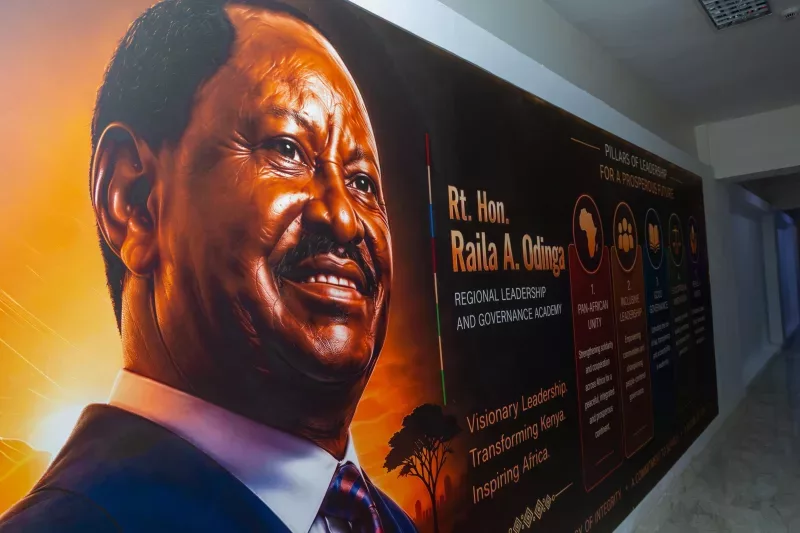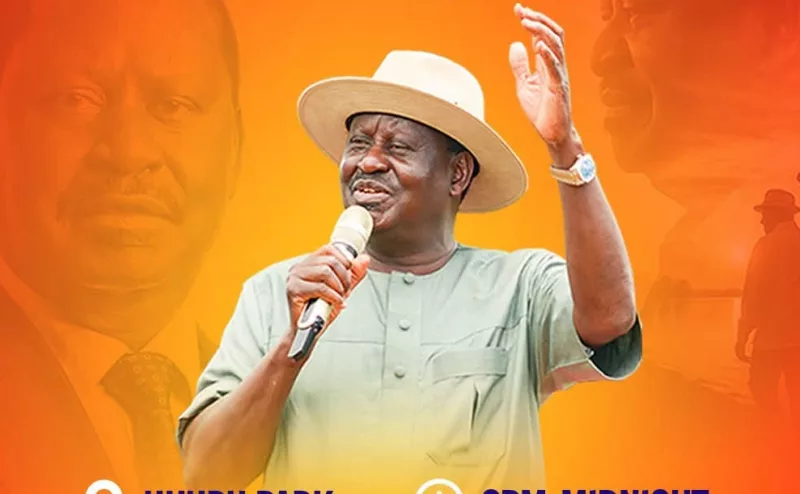
There are political relationships built around elections, and there are relationships that become part of a people’s history. Baba’s relationship with Mombasa belonged to the latter.
For more than two decades, this island city and the wider Coast did not merely vote for Raila Odinga; they embraced him, defended him, walked with him and made his political struggles their own.
That is why, when people described Mombasa as Baba’s political bedroom, it was never simply a slogan. It was a description of trust, affection and political kinship built over years.
Mombasa saw in Baba a leader who understood what it meant to live at the margins of power. Our city has always been one of Kenya’s most diverse places: African, Arab, Asian, Christian, Muslim, indigenous communities and families who arrived from every corner of the country and made this island home.
Baba’s politics spoke naturally to that diversity. His language was the language of inclusion, equal citizenship and the right of every Kenyan, irrespective of name, faith, ethnicity or social standing, to belong fully to the republic.
The Coast also carried old wounds that national politics too often ignored. Questions of land ownership, historical dispossession, marginalisation, unemployment, access to public resources and the dignity of coastal communities were never abstract matters here.
Baba repeatedly placed those questions within the national conversation. Even where solutions remained unfinished, the people of Mombasa knew that he was prepared to name the injustice, listen to the grievance and insist that the Coast could not be treated as an afterthought.
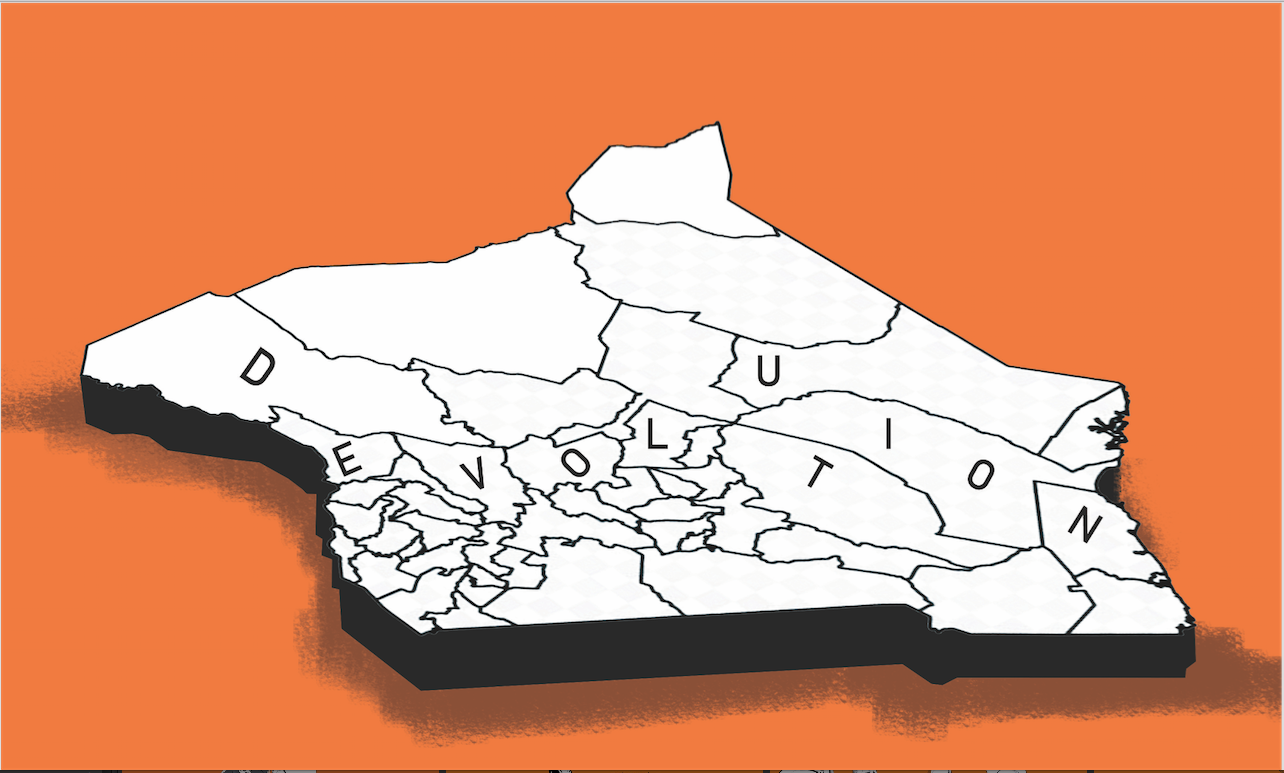
Devolution
Perhaps the deepest reason Mombasa became Baba’s political home was devolution. For generations, too many decisions affecting communities were made far away from them.
The 2010 Constitution changed that architecture of power by creating county governments and placing self-government, citizen participation, equitable sharing of resources and accessible services at the heart of devolution.
Baba became one of the most recognisable political champions of that constitutional transformation. For Mombasa, devolution was not constitutional theory.
It meant the ability to shape our own health system, invest in our children, improve local roads, manage our urban challenges and make decisions closer to the people they affect.
That connection between Baba and Mombasa was repeatedly demonstrated at the ballot box. In the 2013 presidential election, Raila received 189,985 votes in Mombasa county, representing 69.77 per cent of the county’s valid presidential vote.
In the August 2017 election, he again secured roughly seven in every 10 presidential votes cast in Mombasa. And in 2022, even after an intense national contest and changing political alliances, Mombasa still gave him 161,015 votes, or 58.07 per cent of valid presidential votes. Those numbers tell a political story, but they do not tell the whole emotional story.
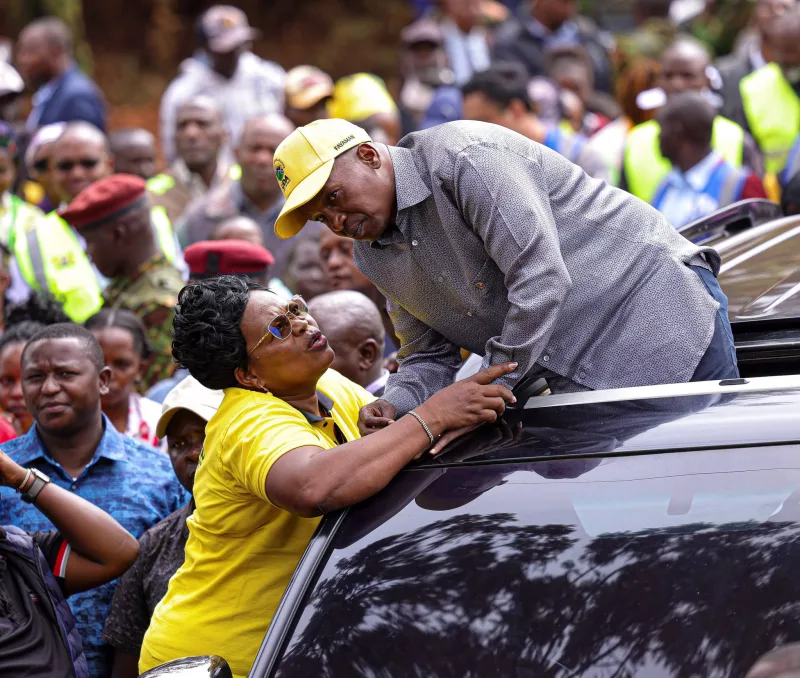
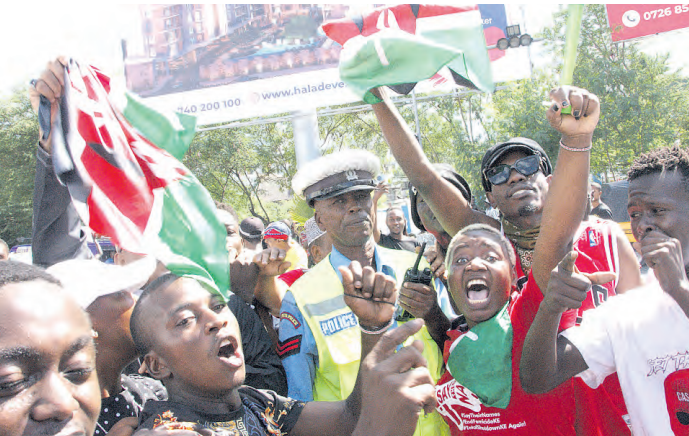
The fuller story is found in the streets of Changamwe, Jomvu, Kisauni, Nyali, Likoni and Mvita. It is found in the old men who waited for hours to hear Baba speak; in the women who sang themselves hoarse at rallies; in the young people who saw in his stubborn refusal to surrender a lesson about courage and in families that remained loyal to him across several electoral cycles. Many politicians came to Mombasa seeking votes. Baba came and built relationships.
His bond with the Coast also went beyond election seasons. ODM grew deep roots here. Mombasa produced some of the party’s most recognisable leaders and became one of its most dependable organisational bases.
Political contests came and went, alliances changed and national circumstances shifted, but ODM remained woven into the political identity of this city. That endurance reflected not blind loyalty, but a sense among many residents that Baba and the party he led had given their concerns a national platform.
Personal for me
I had the privilege of serving within a movement that Baba built and of learning from a leader whose political life was defined by extraordinary endurance.
He taught us that leadership requires the capacity to absorb disappointment without surrendering conviction; that politics should be larger than the individual; and that institutions matter more than temporary advantage. He could be fierce in political contest, but he also understood that there are moments when a nation must choose dialogue over permanent division.
Today, I serve Mombasa as governor and ODM as a deputy leader. Both responsibilities carry a particular weight in the absence of the man who shaped so much of the political ground on which we stand. We cannot honour Baba merely by repeating his name or preserving his photograph.
We honour him by protecting the democratic space he fought to expand, by defending devolution, by insisting on inclusion and by using political power to improve the daily lives of ordinary citizens.
Mombasa was called Baba’s political bedroom because he never felt like a political visitor here. He was received as one of our own.
The people knew his voice, his mannerisms, his battles and his story. He, in turn, understood the soul of this city: proud, diverse, resilient, sometimes rebellious, but always fiercely conscious of its dignity.
As we remember Raila, who died on October 15 last year, I remember a leader whose footprints are everywhere in Kenya’s democratic journey and whose political footprints in Mombasa are especially deep. Baba may no longer walk these streets with us, but the values that made this city embrace him remain alive.
Never forget
Mombasa remembers, ODM remembers, Kenya remembers Baba.
And for those of us who had the privilege of calling him our leader, the responsibility now is not simply to mourn him, but to carry forward the work.
Nassir is governor of Mombasa and ODM deputy leader