Kenyan politics oscillates between comedy and tragedy with shocking alacrity. This is why oftentimes a matter that should otherwise be a life-and-death issue is discussed in public sphere so casually that an observer would be forgiven for questioning the collective mental status of the nation.
And no public interest issue is more volatile in this country
than the elections, which usually bring such divisions and deaths that you
would imagine when they come up for debate, commentators would handle the
matters with gravity.
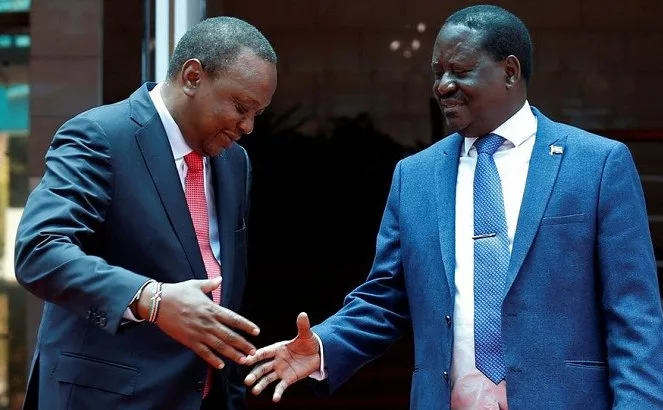
Two weekends ago on September 22, former President Uhuru Kenyatta, while addressing a meeting of his Jubilee Party, stated he was convinced the former ODM leader Raila Odinga had won the 2022 election. Now that should have been a monumental admission.
Uhuru was the outgoing president when the election took place. As far as state systems go, he was in charge of everything.
If we are to believe his narrative, an opposition candidate stole the election right under the noses of the security and intelligence apparatus that he ran! Now let that sink in for a moment.
But the dust hadn’t settled on Uhuru’s shocking revelations when on September 24, former CS Moses Kuria came out on Inooro FM to declare that it wasn’t just the 2022 election that had been stolen. Kuria, with bizarre pride, explained that “we” had, in fact, stolen both the 2013 and 2017 elections too.
He obviously was trying to point out to the fourth president that his own two terms in office had been based on electoral fraud. Quite incredibly, all these confessions failed to draw the outrage you would expect from a nation scarred by the bloodshed and brutality usually accompanying the electoral cycles.
There is consensus in the country that the 2002 election remains the only credible one in Kenya’s multiparty history. It is difficult to believe that the entire system was all analogue, with its hyped digital cousins later proving to be unreliable and prone to fraud.
The period immediately after the 2002 election ¾ if you carefully carve out the disputes surrounding the MoU between then President Mwai Kibaki and Raila factions ¾ also had Kenyans being declared some of the happiest people in the world.
A free and fair election, as it turned out, had a way of bringing hope to a citizenry worn down by the Moi kleptocracy.
But it took just five years for all hopes to go up in flames, when the 2007 election was badly mishandled, leading to widespread bloodshed.
And it was caused in no small measure by the casual attitudes of those who had wielded power in the Narc regime; the sort of attitude that now brags about having stolen elections in the past while believing nothing can happen to them in the form of justice.
Even then, ahead of 2007, the people in power circles ran a system that marginalised many sections of the country, and created a deep ethnic divide that could have ended only one way.
Ever since the post-election violence of 2008, each election has been disputed, and subsequently prosecuted at the Supreme Court. The hearings themselves have been a catalogue of revelations of electoral malpractices that make one cringe.
As a democratic tool for transitions, the country, or at least those who rule it, have failed to appreciate the magnitude of this electoral process and therefore the desire to make it free of the perennial dishonesty that tends to surround it.
After all, there are already enough lessons from previous polls to show that the constant flirting with doom isn’t sustainable.
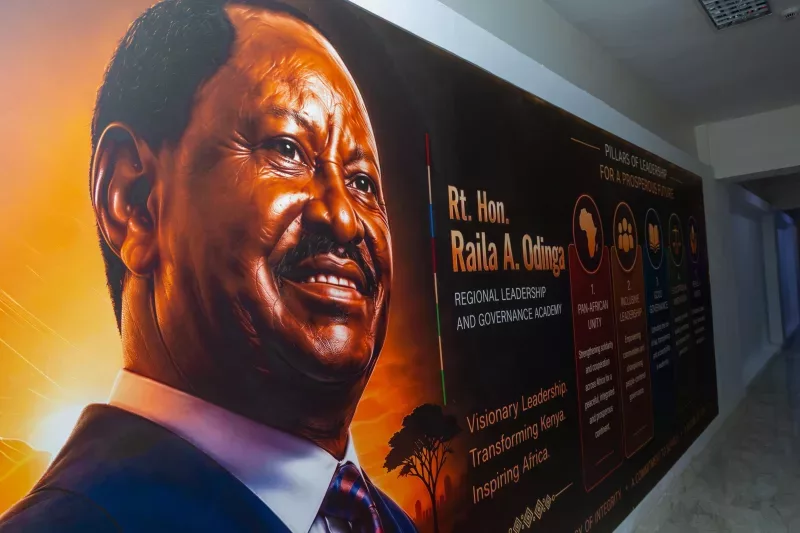
The first thing that struck my mind from Uhuru’s and then Kuria’s words, and if we add the 2007 election dispute to it, is that it is possible that Raila was robbed of victory a whopping four times! By whatever standards, that should jolt us into reality.
For one, it means that an individual chose to forego victory that many times without a fuss. The collective national question the country must ask, now that the former Prime Minister is not here anymore, is how many more senior politicians dotting this land would let that happen so many times.
Regardless of that, the revelations, if true, also confirm that elections as a tool for democratic transitions have become a joke here. It is not a rhetorical question to ask if this can carry on through different generations, without coming to one that will reject elections and turn to other means.
The country may have gotten away with electoral fraud four or five times, but it is inconceivable that it can become a way of life. Elections hold promise to a large part of the citizenry.
Those who desire change, the ones who simply want to punish incumbents ¾ as well as the ones who go to the ballot simply to “deposit” their problems in hopes of coming out better the other side ¾ all have to believe that the process holds some meaning.
The day this ceases to hold meaning, I shudder to imagine what we will get ourselves into. The country’s ethnic and class divide has always been assuaged by the knowledge that there is a five-year cycle offered by the constitution to attempt and remedy some governance issues experienced between the cycles and over the decades since Independence.
I am therefore surprised by the casual nature of the confessions of electoral fraud. Even worse, no state agency has found it compelling to summon both Uhuru and Kuria for a proper sit-down to clarify their words.
It doesn’t help that some of the leaders in the current regime have openly claimed that if they are unable to secure victory in 2027, they’ll stuff ballot boxes, or “resurrect” dead voters to help cross the line.
Such reckless talk in high places is a blot on the memories of all Kenyans who have paid the ultimate price from election disputes and in the quest for electoral reforms.
The PEV of 2008 remains a reminder of what can happen if sections of the population reject results and resort to extrajudicial means to reassert their aspirations.
The fact that the three subsequent elections passed off without much volatility may be down only to the personality of the aggrieved contestant, Raila, a man who loved the country so much he would let go of his own ambitions and claims each time victory was stolen. Any attempt to lull ourselves into a false sense of security from those three elections would be very foolish.
I am, in fact, more spooked by the fact that the main protagonist communities of 2008 are set to vote on opposite sides, exactly two decades since those horrific PEV events.
Truth be told, when the National Accord was signed in 2008, both sides of the divide might have felt that there was “unfinished business” from the dispute. Three of the ruling coalitions formed after that bloody contest were specifically created to heal those wounds and pacify the warring communities.
The jury is out on whether progress has been made on this, but clearly, the tribal rhetoric has grown more vicious in recent times.
Further, the falling out in the ruling Kenya Kwanza coalition following the impeachment of then DP Rigathi Gachagua has poisoned the ethnic relations between the belligerents of 2008.
Those who therefore seek to announce to us that all three past elections were stolen do not help the country at all.
To make it worse, the silence of the electoral agency and other state instruments following these revelations is a dangerous thing.
If the country comes to a point at which elections no longer hold hope as democratic tools, we will know who to blame.