
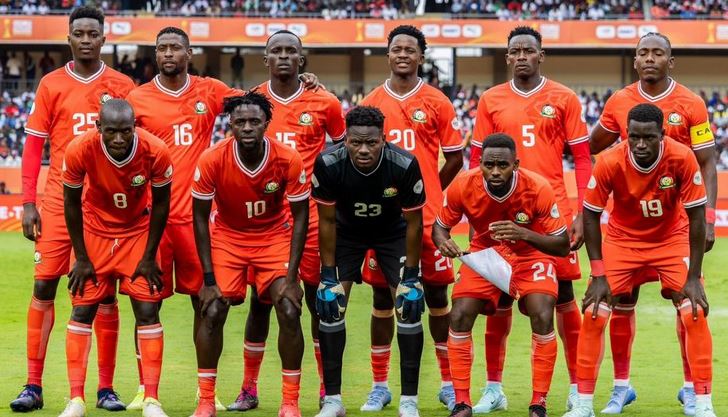
A section of footballers recently been in the news over unpaid dues, a plague that afflicts our athletes. Others, just hours before a final, staged a go-slow demanding unpaid dues.
A cocktail of factors is often at play. From mismanaged funds that lead to withdrawn sponsorships, to administrative bureaucracy that delays payouts even when funds are fully available.
This begs the question on how can we pay our athletes in an open and efficient way? This was part of the inspiration for the Locker Room Bonus (LRB), a new payment model that would ensure timely and transparent sponsor payments for athletes.
In 2022, together with betPawa we toyed with an entrepreneurial way to reward our athletes through the LRB.
LRB is betPawa’s direct-to-player performance reward programme, paying every player fielded on a winning team a fixed bonus directly to their mobile money wallet shortly after the final whistle.
Since launching in the 2022-23 season, the LRB programme has expanded across Kenya, Nigeria, Ghana, Uganda, Rwanda, Tanzania, Malawi and Cameroon and across football, basketball and volleyball.
And this timely payment is important because delayed payments, as mentioned above, are a major obstacle for the development of sports in Africa.
Delayed payments are a major issue that affects Kenyan athletes, and by extension their African counterparts. Additionally, delayed sponsor payments affect athletes across all disciplines, from athletics and volleyball to rugby and even skating.
Delayed sponsor payments are not the only source of discontent for athletes. The opaque nature of the payments and disputed amounts worsen the situation. The opacity of payments is not necessarily foul play, but bureaucracy adds to costs and payment inefficiencies.
As a result, Kenyan athletes are repeatedly forced to protest, often through social media campaigns, to have their dues paid. The effect is that they are demoralised despite playing a key role in strengthening their country’s global reputation and soft power.
This situation is unacceptable because of the financial and mental strain it puts on our athletes.
Apart from meeting their basic needs, athletes rely on extra cash, such as sponsor bonus payments, to facilitate transportation for training and meet their nutritional requirements.
So far, this model is working. LRB has to date paid more than $1.9 million, reaching about 7,000 players, through more than 51,000 individual payouts covering more than 3,500 matches.
Every player fielded on a winning team receives the same fixed bonus, paid directly to their mobile money wallet within minutes of the final whistle, before they leave the dressing room. It is a model that puts performance, rather than reputation or status, at the centre of the reward.
It is important to note that LRB is not designed to replace salaries, contracts, federation funding or conventional sponsorship. However, it adds another layer to the sports ecosystem, meaning a direct and measurable connection between performance and reward.
But the model has shown that it is possible to introduce transparency and timeliness in rewarding our athletes and can act as a blueprint for other players in the sports sector.
The timing of such a model also comes at a critical time. The sports sector is now appreciated as a key economic driver. Apart from the aforementioned role it plays in strengthening their country’s global reputation and soft power, it creates direct and indirect employment opportunities, encourages community participation and promotes healthier lifestyles.
According to a PwC survey, the global sports sponsorship investment market is projected to reach $109.1 billion by 2030, with emerging markets like Kenya currently attracting $53.8 million in annual sponsorship investments, anticipated to exceed $76.9 million by 2027.
Tourism, hospitality, transportation and media are other sectors that also benefit from the massive investments in the sports sector.
To ensure African nations reap these anticipated rewards, we must actively support our athletes by establishing incentives like transparent, timely and direct payments.
Ajibade, also known as Mr Eazi, is the chairman, Choplife Gaming and ambassador of betPawa’s Locker Room Bonus