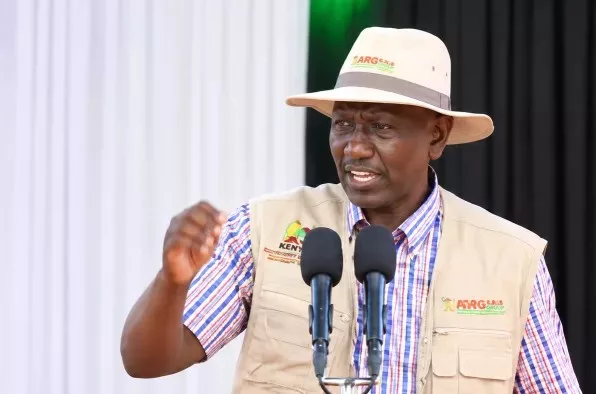
President William Ruto’s directive against undocumented immigrants doing small-scale businesses has rightly generated much heat and panic among the East Africans affected.
More broadly, it should foster a conversation about our immigration policy and our attitude towards immigrants in general.
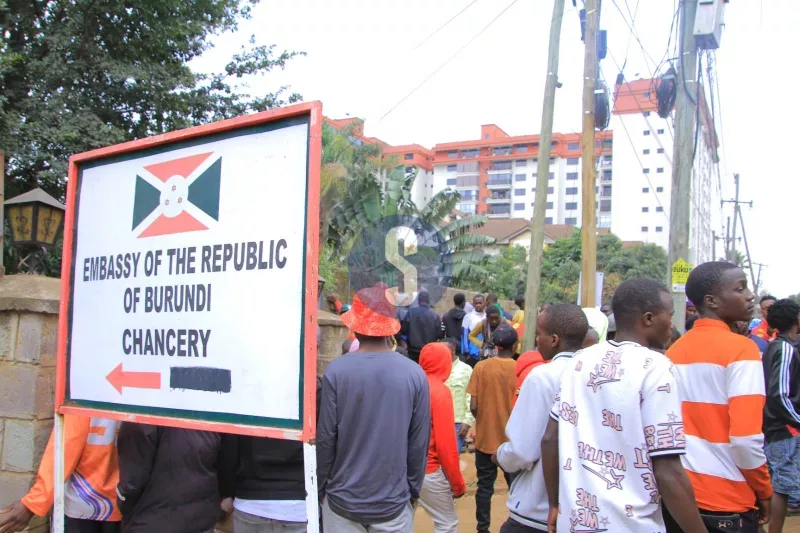
Being an immigrant from Kenya myself, I fully understand and empathise with the feelings of the East Africans affected by the directive, especially the 16,000 Burundians who had to rush to their diplomatic representation in Nairobi to regularise their status and/or get travel documents to go back home.
If you have interacted with some of these immigrants selling coffee, mandazi, roasted peanuts, or electronic gadgets like phone chargers and power banks, you will understand their situation. Some of them are refugees who have no home to go back to, or survivors of violence who are yet to get closure on their past ordeals.
Burundi and the larger Great Lakes region are war-torn, riddled with armed militias, ethnic goons, and guerrilla fighters seeking to violently dethrone their governments.
The DRC, Rwanda, Burundi, parts of Uganda, the Central African Republic and parts of South Sudan, are hellholes, and this is no exaggeration.
Take the story of John Ndegeribinga, a 45-year-old Burundian living in Kawangware and making a living by hawking used clothes. He once told me, at a garage in Mountain View, that he was lucky to be in Kenya to enjoy human rights and equal protection under the law, a distant dream back in his home country.
“Here you have free enterprise, security, strong money in the region and an empowered people who can hold the government to account. You (Kenyans) are the most blessed in the region,” he said.
Ndegeribinga came here in 2016, when skirmishes flared in his neighborhood in Bujumbura, and he says his wife and two children were killed. He was lucky to escape with severe machete injuries. “The attackers left me for dead. I’m alive because they assumed I had died.”
The point is that anti-immigrant sentiments harm more than they build. Besides the fact that the President may have meant well in protecting local Kenyan traders, he sends a wrong message of xenophobia and intolerance, as we have seen down in South Africa.
The Rwandese, Congolese, Ugandans, South Sudanese, Ethiopians, and even Somalis in Kenya have not taken anybody’s jobs in our barber shops, massage parlors, car wash establishments, hawking enterprises, and stalls. Kenyans who want those jobs can still get them.
South Africa and the Global North, particularly the UK and the United States, have proven that anti-immigrant sentiments breed only violence and contribute to the decline of societies.
Immigrants, even unskilled ones, add value because, like in our case, the Burundians generate revenue for the government through taxation and power local economies, but they do not fully benefit from those taxes. In America, the majority white residents who complain about immigrants, especially Black and brown ones, are uneducated, unexposed and unskilled themselves.
This means that even if President Donald Trump were to expel all immigrants, Americans would not replace them in the jobs they claim to have been taken from them. It is the same here. No Kenyan looking to hawk has been stopped by Burundians.
I understand government mandarins have been falling over themselves to downplay the President’s reckless outburst and do damage control. Foreign Affairs PS Korir Sing’oei even addressed the stranded immigrants, telling them they are welcome to stay or can voluntarily go back.
Any responsible start would be to apologise to them. Tell them sorry for the emotional trauma, the stigma, and the harassment they have been put through by the disruptive, unforced error by the President.
Immigration is ancient, it’s indispensable, and will continue until our Lord Jesus comes back.