Sixteen years after Kenyans overwhelmingly gave themselves a new constitution, there is much to celebrate—but even more to interrogate.
The 2010 Constitution was born of hope. It promised a decisive break with authoritarianism, exclusion, corruption and the concentration of power.
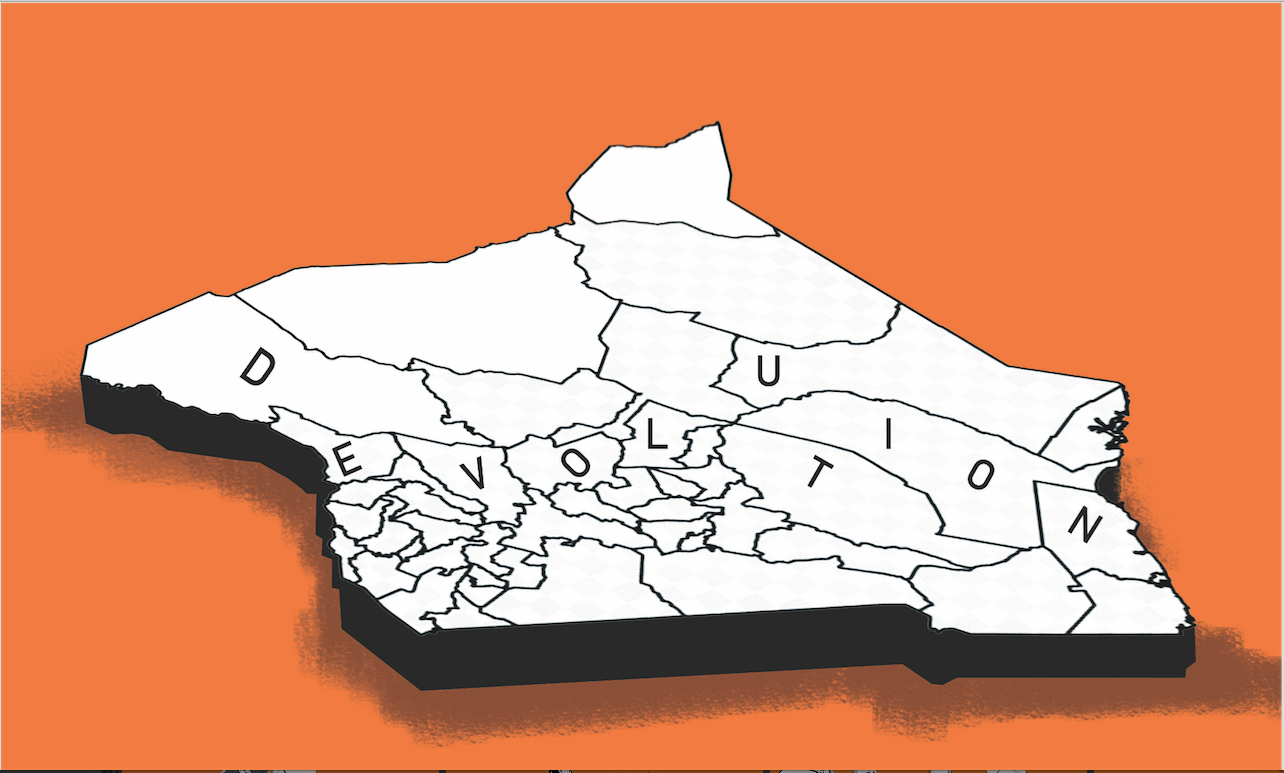
It gave us a robust Bill of Rights, devolution, independent institutions, public participation, gender inclusion and a framework for accountable leadership.
Yet the verdict at Katiba@16 is complicated. The two-thirds gender principle remains unfulfilled. The independence of institutions is contested.
Parliament's oversight role is questioned. Civic freedoms face pressure, while corruption, weak accountability and elite capture continue to undermine the promise of devolution.
These failures are real. But there is a harder truth: in large measure, the constitution has not failed us. We have failed the constitution. This is a crisis of citizenship. The constitution declares that all sovereign power belongs to the people - not to the president, Parliament, governors, political parties or wealthy families. But what have we done with that power?
We condemn corruption, yet celebrate unexplained wealth. We denounce theft of public resources, then applaud politicians who distribute money at funerals, churches and rallies. We demand integrity, yet often vote on the basis of ethnicity, patronage, personality and handouts. We are outraged by wrongdoing until the wrongdoer belongs to “our side”.
A progressive constitution cannot govern by itself. Democracy is a habit. Citizenship is work. Voting every five years is only one expression of sovereignty. The people must put on their agency shoes. We must interrogate leaders before electing them: their record, wealth, values and respect for the constitution.
We must refuse to reward political indecency because it benefits our side. A corrupt governor from our community is still corrupt. An abusive MP from our region is still abusive. And a thief who funds a community project does not become honest merely because the project is useful.
If we want a constitutional Kenya, we must become constitutional citizens. The kind of leadership we have is, admittedly, not produced by citizens alone. Political parties, institutions and entrenched economic interests shape who rises to power. But citizens remain the ultimate source of legitimacy. Leaders learn from what we reward and what we punish.
If we reward corruption with votes, corruption will seek votes. If we reward ethnic mobilisation, politicians will perfect ethnic mobilisation. If we reward insults and humiliation with applause, political discourse will become more vulgar.
If we remain silent when rights are violated because the victim belongs to “the other side”, we should not be surprised when the same machinery eventually comes for us.
The Kenya we want will not be delivered to us by a perfect constitution, a perfect president or a perfect political generation. It will be shaped by citizens who refuse to be passive.
This is perhaps the most important lesson of Katiba@16. Our constitutional struggle is not over because we promulgated a document in 2010. In many ways, the harder struggle began then: the struggle to transform constitutional text into constitutional culture.
A culture in which public office is understood as service, not an investment. A culture in which public resources are treated as sacred, not as political spoils. A culture in which institutions are respected even when their decisions are inconvenient.
A culture in which citizens defend the rights of those with whom they disagree. A culture in which elections are contests of ideas, records and visions rather than ethnic censuses and auctions for the highest bidder. A culture in which “we the people” means more than words at the beginning of a constitution.
Sixteen years on, therefore, perhaps we should resist the temptation to ask only what the constitution has done for us. We must also ask what we are doing for the constitution.
Have we read it? Have we understood the power it gives us? Have we exercised that power consistently? Have we defended its values when doing so was uncomfortable? Have we held our leaders accountable - or have we become enablers of the very misconduct we condemn?
These questions are uncomfortable because they return responsibility to where the constitution placed sovereignty: the people. Leaders, Parliament, political parties and public institutions must shape up - but so must we.
Kenya is not something governments do to us; it is something we collectively make through the leaders we choose, values we reward, institutions we defend, injustices we tolerate and actions we take when power betrays public trust.
At 16, our constitution remains one of the most progressive statements of the Kenya we aspire to become. Its greatest tragedy is not that it promised too much.
It is that, too often, we have demanded too little - from our leaders, from our institutions and, crucially, from ourselves.
The time has come to stop treating citizenship as spectatorship. We must reject leaders whose values contradict the republic we claim to desire. And, above all, we must understand that the Kenya we want will not simply emerge from the constitution.
We, the people, must mold it.