The global order is undergoing a profound transformation, and Africa is increasingly finding itself at the centre of this change.
For decades, international affairs were largely shaped by a small group of powerful Western economies whose institutions, currencies and diplomatic priorities influenced much of the developing world.
Today, the emergence of new centres of economic and political influence is
creating space for a more diverse international system.
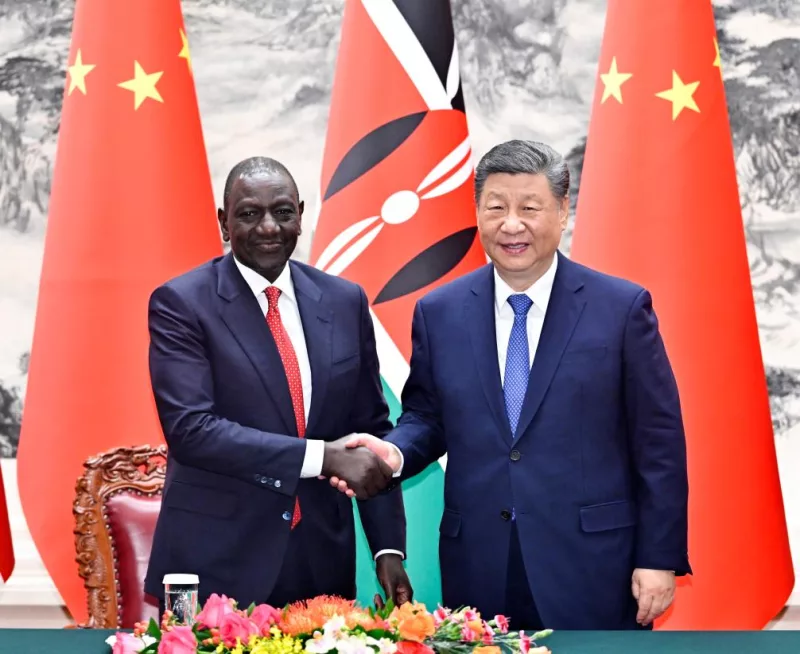
At the heart of this transformation is the Asian giant, whose economic rise has altered global trade, investment, technology and infrastructure. China’s growing engagement with Africa is particularly significant because it offers the continent an opportunity to participate more actively in an international system that is becoming less concentrated.
For Africa, this is not simply about choosing one global partner over another. It is about expanding strategic options.
The continent requires enormous investment in roads, railways, ports, electricity, digital infrastructure, manufacturing and human capital. These needs cannot be met through domestic resources alone.
Africa therefore needs international
partnerships that provide capital, technology, markets and expertise while
supporting its own development priorities.
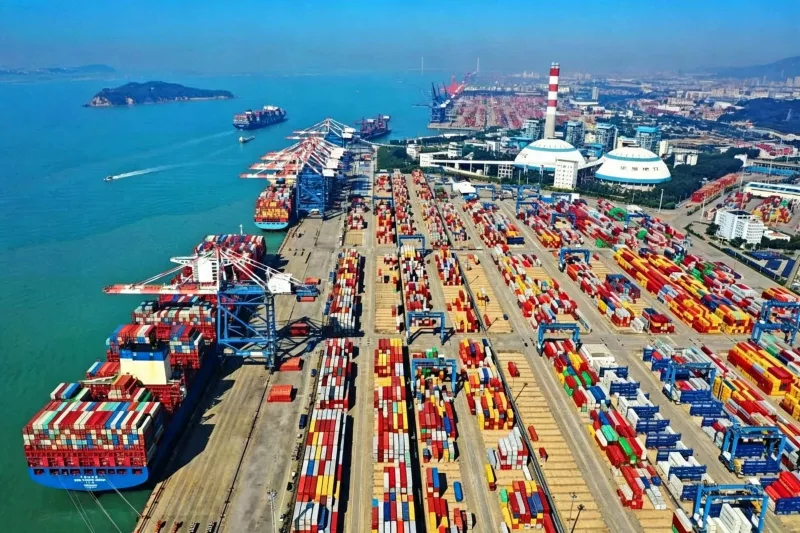
The Asian model of engagement has increasingly focused on practical economic cooperation. Across the continent, infrastructure projects supported by Asian financing and companies have helped improve connectivity and create platforms for trade.
Railways, highways, ports and energy facilities are not merely physical structures. They can reduce the cost of moving goods, connecting producers to markets and strengthening regional economic integration.
This matters as Africa seeks to make the African Continental Free Trade Area a reality. The success of continental trade will depend not only on removing tariffs but also on efficient transport networks, reliable energy and modern logistics systems. Without these foundations, Africa risks having an ambitious market agreement without the physical capacity to fully exploit it.
China’s importance also extends beyond infrastructure. Its position as one of the world’s largest manufacturing and consumer markets presents African economies with opportunities to diversify exports and attract investment into sectors capable of creating employment.
Africa has historically exported raw materials while importing finished products. That model has limited the continent’s ability to capture greater value from its natural resources. Partnerships that encourage local processing, industrialisation and technology transfer can help change this pattern.
The growing emphasis on digital technology offers another important opening. Artificial intelligence, telecommunications, e-commerce and digital financial services are reshaping economies around the world. African countries cannot afford to remain consumers of these technologies. They need to become participants in their development and application.
Cooperation with technologically advanced Asian economies can accelerate this process by giving African countries access to knowledge, equipment, training and investment. For young African populations entering increasingly digital economies, such cooperation could have consequences extending far beyond individual projects.
There is also a geopolitical dimension. Africa has long argued for a more representative international system in which developing countries have a stronger voice in global decision-making. The expansion of relationships between African states and emerging powers contributes to that objective by reducing excessive dependence on any single centre of influence.
A multipolar world can provide developing countries with greater room to negotiate. When nations have several credible partners, they can pursue cooperation according to their national interests rather than operating within a narrow set of choices.
This does not mean Africa should abandon its longstanding relationships with Europe, North America or other partners. Rather, African governments should pursue diversified diplomacy based on economic interests and development priorities.
China’s approach to the Global South has gained attention because of its emphasis on infrastructure, trade and development cooperation. Initiatives linking countries through transport, energy, industrial and digital networks demonstrate an understanding that economic integration can create long-term commercial opportunities.
Africa should approach these opportunities strategically. Governments must negotiate favourable financing arrangements, strengthen local participation, insist on transparency and ensure that major investments generate measurable economic benefits.
A partnership becomes meaningful when it contributes to domestic capacity rather than simply providing an imported solution.
African countries must also improve their own institutions. Foreign investment cannot substitute for sound governance, effective public institutions and responsible economic management. External partnerships work best when matched with domestic reforms and long-term national planning.
The world is moving towards a more complex economic landscape. Traditional centres of power remain influential, but emerging economies are increasingly shaping global commerce, technology and diplomacy. Africa should recognise this reality and position itself accordingly.
The rise of China offers Africa an important opportunity in this changing international environment. China’s experience in industrialisation, infrastructure development, technological advancement and international trade provides lessons that African countries can examine while adapting them to their own circumstances.
Ultimately, Africa’s objective should not be to become dependent on one partner. It should be to build enough partnerships to advance its own interests.
China can be an important economic partner in that strategy, offering access to capital, technology, markets and infrastructure while African governments retain responsibility for protecting national interests and ensuring sustainable development.
In a changing world order, strategic autonomy will increasingly depend on economic choices. Africa has the population, resources and markets to become a major force in global affairs. What it needs is the infrastructure, investment, technology and partnerships to unlock that potential.
China can be an important part of that journey, not as a substitute for other relationships, but as one of the partners helping Africa expand its choices and strengthen its position in the global economy.