

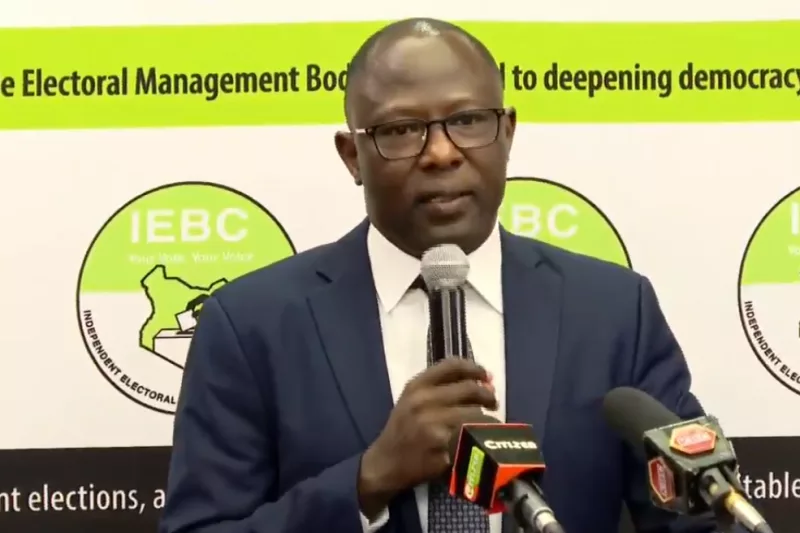
When the Independent Electoral and Boundaries Commission promises Kenyans a free and fair poll next year, they should mean exactly that. The most powerful democratic right that each and every Kenyan above 18 years of age has is voting.
From the old to those who have just received their national identity cards, any registered voter has the right to feel that they can make a choice towards the betterment of the country.
Choosing political parties, having campaigns, playing politics, choosing political favourites, courting regions and political candidates endearing themselves to voters should not affect the outcome that IEBC should deliver to candidates.
In the past we have seen the trajectory of political favorites being close to some the commissioners and this definitely compromises the outcome of the voting process.
In lay eyes, what does a free and fair election look like? First, it’s the hiring of competent commissioners, who merit for the job and are clear of any case of corruption.
Clear voting guidelines publicised as early as now, well thought of systems of voting, clear procurement and implementation of the elections systems, an open policy of election observers both internal and external, good delivery of the election process on the day of the elections, a well organised orderly almost perfect voting process and finally non-interference by politicians in the entire elections cycle.
The real situation on the ground is that most of these steps and more are always compromised, with the first and worst step being the occasional hiring of favourites, which disrupts the entire process.
In lay terms, this bit is known, people helplessly talk about it and it creates tension even before the actual elections. This has happened in many elections leading up to pre- and post-election violence.
Granted, political noisemaking can happen and some commissioners can be blamed but where there is smoke there is always fire. Let the authorities responsible therefore avoid the hiring of compromised officers.
Secondly the systems provided should be done in an open way such that what is paramount is the delivery of free and fair elections. Should there be systematic flaws, let them not be politically engineered but flaws that are genuine, that can be handled in an open way.
Communication of the entire elections process is also important. Kenyans need to be kept informed at every stage, from voter registration and verification to the voting, counting, tallying and announcement of results.
The IEBC should provide clear and timely information on any changes, challenges or concerns that may arise, while ensuring that all political parties, candidates, observers and voters receive the same information.
Transparent communication will reduce suspicion, misinformation and unnecessary tension, especially during a period when emotions are already high.
Kenyans, who hold the powerful vote should be able to understand how the systems work and trust the information coming from the electoral agency, and this will make them easily accept the process and its outcome.
TheIEBC, an independent constitutional commission established under Article 88 with the responsibility of conducting and supervising elections and referenda in Kenya to live up to its mandate, must therefore make openness, consistency and timely communication a central part of delivering the free and fair election it has promised.





