
As Kenya enters another election cycle, familiar patterns are reemerging. Some political actors have again trained their campaign rhetoric guns on foreign companies, casting them as symbols of economic domination.
While democratic debate is healthy, turning foreign enterprises into electoral targets is dangerous. In the case of China, it risks undermining Kenya’s most consequential development partnership, deterring investment, threatening jobs, and weakening the country’s long-term growth trajectory.
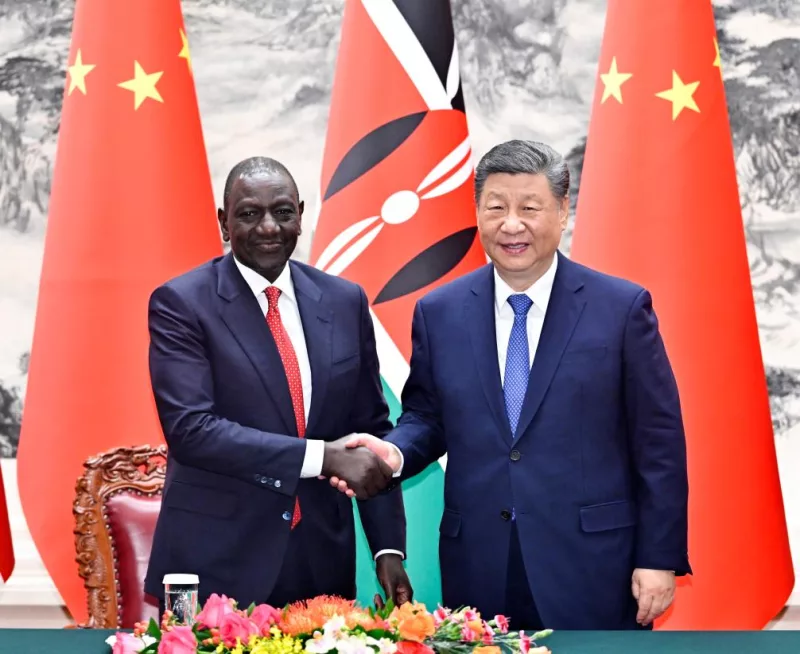
China has become Kenya’s single most important development partner across multiple dimensions. Beijing is Nairobi’s largest primary trading partner, supplying capital machinery, electronics, raw materials and manufactured goods necessary for Kenya's domestic industrialisation and consumer market.
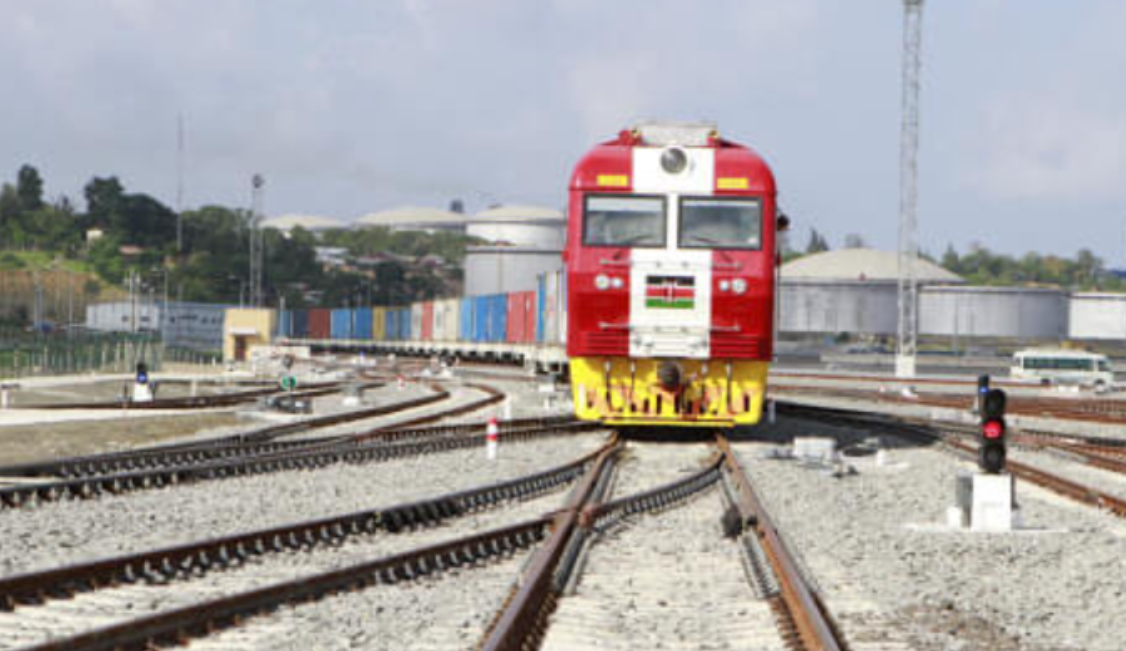
The development partnership with Beijing has also delivered tangible infrastructure that Kenya’s own fiscal resources could not have financed at the same speed or scale. The Nairobi-Mombasa standard gauge railway remains the clearest example. It cut freight transport times dramatically, lowered logistics costs for exporters and importers, and created a modern transport corridor that subsequent administrations have sought to extend.
The same pattern and benefits can be seen in the Nairobi Expressway, Rironi-Mau Summit road expansion, bypasses, power projects, water infrastructure and ongoing construction of the Talanta Stadium for the 2027 Africa Cup of Nations.
Chinese contractors have also shifted toward public-private partnership models, reducing pure sovereign debt exposure while continuing to deliver roads, railways and other assets.
These projects have not only improved connectivity but have also generated direct and indirect employment, skills transfer, and local procurement opportunities.
Employment figures illustrate the practical stakes. Chinese enterprises, estimated at more than 400, have employed more than 60,000 residents in recent years, with localisation rates often exceeding 90 percent.
More jobs are being added by individual projects and factories, including ceramics, textiles, vehicle assembly and construction. Chinese firms have also introduced modern production techniques.
Vocational training partnerships have equipped tens of thousands of young Kenyans with technical skills. These opportunities matter for a country where formal employment remains scarce and youth unemployment high.
Education and human capital form another pillar of the relationship. China has become a leading destination for Kenyan students seeking higher education abroad, as thousands of young people have benefited and are benefiting from scholarships and language programmes over the years.
Confucius Institutes and bilateral scholarship schemes have expanded access to STEM and professional training. This pipeline produces graduates who return with technical expertise to advance Kenya’s infrastructure and industrial ambitions.
Politicising relationships with these companies, therefore, carries concrete risks. First, it creates uncertainty that deters further investment. Capital is mobile. Foreign firms already navigate complex regulatory, land and contractual environments in Kenya.
When politicians publicly brand Chinese companies as corrupt conduits or call for their expulsion, investors rationally reassess their risk. Second, it endangers physical security. Rhetoric that frames Chinese companies as enemies can embolden hostility toward Chinese nationals and their employees, Kenyan and Chinese alike.
In an environment of rising political tension, this is reckless. Third, it distracts from genuine governance issues. Election season scapegoating is not a strategy for transforming a country.
Kenya’s development needs remain vast: affordable housing, expanded energy supply, industrial parks, digital infrastructure and agricultural modernisation.
Chinese firms are currently among the few with both the balance sheets and the willingness to deliver large-scale projects under evolving financing models that share more risk.
Kenya’s other development partners matter, but none currently match China’s combination of trade volume, infrastructure delivery, and manufacturing investment interest. Recent zero-tariff measures by China for African products, including Kenya’s, create new export windows for tea, coffee, and other goods.
Manufacturing investments in special economic zones point toward job-creating industrialisation rather than pure extractive or import models.
Turning Chinese companies into electoral punching bags may generate short-term applause. However, it will not build railways, factories, or careers.
Responsible leadership requires protecting the partnership that has already delivered results. The alternative is self-inflicted damage to Kenya’s development prospects at a moment when the country can least afford it.
Scholar of international relations, focusing on China-Africa development cooperation. X: @Cavinceworld