Is election zoning good or bad? Who does it benefit? Does it fuel apathy? Does it strengthen democracy?
These are pressing questions.
ODM wants zoning to preserve its strength, but President Ruto’s UDA wants to compete in Orange Party strongholds, although Raila Odinga’s old party is his partner in government.
The situation is tricky for both ODM, which fears losing influence, and UDA, which says competition is good and essential for its victory. But it needs ODM support and must tread carefully to maintain balance.
They have not agreed; Raila’s old party is divided, and accord appears distant. Former Deputy President Rigathi Gachagua, meanwhile, opposes zoning for his DCP party in Mt Kenya region, saying competition is good and fuels voter turnout.
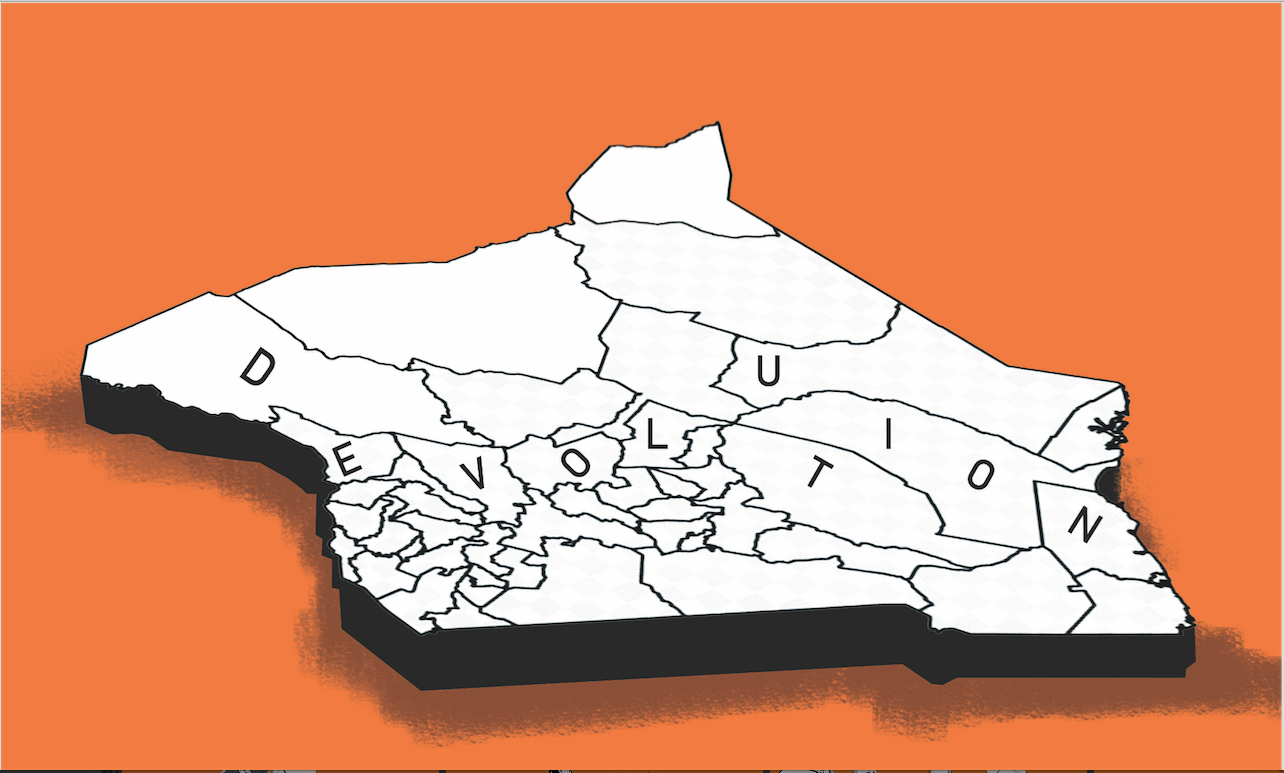
Election zoning is a strategy whereby a party, allied parties or coalitions agree to reserve specific seats or geographic areas for certain parties, regions or communities – and exclude others.
It aims to avoid vote splitting and competition and strengthens the odds of winning.
Critics say eliminating competition increases voter apathy and reduces turnout, fuels defections and independent candidacies, and undermines democracy.
ODM leaders say zoning will prevent what they call infiltration of their traditional strongholds by UDA. It’s about political survival to preserve enough parliamentary and county strength to remain a significant political force in the country.
Ruto’s UDA, however, opposes exclusion and is trying to gain influence in ODM strongholds. It says competition is good and increases turnout while zoning fuels voter apathy and reduces both registration and turnout.
The declaration by DCP leader Rigathi Gachagua rejecting zoning in his Mt Kenya stronghold could force the broad-based government back to the drawing board to enhance President Ruto’s chances of winning a second term.
The former deputy president reiterated that competition will strengthen grassroots mobilisation and, crucially, increase voter turnout in the presidential election.
“We have agreed with all parties that all seats will be competitively fought for, except the presidency,” Gachagua said on Tuesday when he welcomed Kamukunji MP Yusuf Hassan into DCP.
He reflects a broader argument that competitive parliamentary, gubernatorial and ward contests keep political parties active on the ground and give their supporters an incentive to vote.
ODM fears that allowing the President’s party to field candidates throughout Nyanza, Western Kenya, Coast and other traditional ODM strongholds could gradually erode its parliamentary and county representation.
Its concern is that the broad-based arrangement – with key posts for ODM – could benefit UDA at the grassroots while leaving ODM dependent on an alliance that weakens its own structures.
ODM national chairperson Gladys Wanga and party leader Oburu Oginga have been pushing for locking down some regions and keeping UDA out of the fray.
The two top ODM leaders said they would negotiate with UDA as an equal partner and insisted that zoning should be part of the arrangement.
“If we are going for negotiations, we are going as equals, not as a weaker party,” Wanga told a meeting in Kisumu in April.
For years, ODM has dominated counties such as Siaya, Kisumu, Migori, Homa Bay and the Coast region. It has also maintained significant influence in Western, North Eastern and Nairobi.
UDA secretary general Hassan Omar has rejected ODM's zoning demands, arguing that parties should be allowed to compete freely and prove their popularity.
He said parties claiming to have strongholds should demonstrate their strength at the ballot, rather than seeking to protect themselves through the broad-based deal and barring partner-rivals.
“ODM is saying the Coast is their stronghold and it should be left to them, but I want to tell them the Coast region belongs to all residents, Omar said in April at an event in Kilifi. “They should allow us to compete fairly."
Other UDA politicians and others have gone further, calling zoning an affront to democratic competition.
Molo MP Kimani Kuria called zoning a potential driver of tribalism and a threat to political competition. Other UDA leaders have said no Kenyan region should be treated as the permanent and exclusive property of a particular party.
“Zoning is the root cause of tribalism and lack of democracy in some regions,” Kuria said.
Within ODM itself, there has also been dissent over the push for zoning. Some leaders argue the party should not shield its traditional strongholds if it is confident of its support on the ground.
Suba North MP Millie Odhiambo has asked why a strong party should fear competition, saying politicians should be prepared to face opponents rather than rely on negotiated political territories.
“When we start pushing zoning, it means that we are putting our personal interests ahead of those of our constituents,” she said.
“Politicians who have served their constituents should be confident enough to face opponents at the ballot.”
Kisumu Woman Representative Ruth Odinga, speaking in a voter registration drive, warned that perceptions of preferred candidates were contributing to voter-registration apathy.
On the other hand, Homa Bay Senator Moses Kajwang' said zoning is not necessarily a bad idea provided nominations are conducted credibly, transparently and fairly.
He cautioned that shambolic nominations could discourage voters and lead to low turnout.
“Zoning is not a bad idea, especially when we conduct free and fair nominations,” Kajwang' said on Wednesday. “If ODM does not conduct credible nominations, then we will lose some votes, and that will affect our numbers.”
His warning is particularly significant in Nyanza, where past disputes over party nominations have fuelled disillusionment by both aspirants and voters.
Nominations perceived as predetermined, unfair or imposed by party elites have triggered defections, given rise to more independent candidacies and protest votes, and killed voter enthusiasm.
The 2022 General Election offers a stark reminder of the consequences of low turnout.
Raila Odinga’s Azimio coalition lost the presidential contest to Ruto by just over 270,000 votes, a relatively narrow margin that still fans debate over whether higher turnout in Raila’s traditional strongholds could have changed the outcome.
The 2027 contest, therefore, presents an unusual political dilemma.
For President Ruto, the zoning debate presents a difficult balancing act.
He is caught between a rock and a hard place as he seeks to maximise voter turnout countrywide while retaining the support of ODM, his political partner.
Ruto needs a strong turnout to secure the constitutionally required 50 per cent plus one of the votes cast in the presidential election, plus at least 25 per cent of the votes cast in at least 24 of the 47 counties.
Allowing UDA to aggressively compete for seats in ODM strongholds risks antagonising a partner whose support could be crucial to his re-election.
The dilemma has been compounded by Ruto's break with his former deputy, Gachagua, who is one of his most vocal opponents and has pledged to mobilise against him, denying him a second term.
Political commentator Samuel Owida said ensuring competitive elections is the only way to ensure high voter turnout.
“By allowing parties to field candidates, each candidate will mobilise supporters to come out and vote,” he told the Star on the phone. “Any attempt to lock out some candidates will discourage supporters from coming out to vote.”
“The greatest beneficiaries of high voter turnout are presidential candidates.”