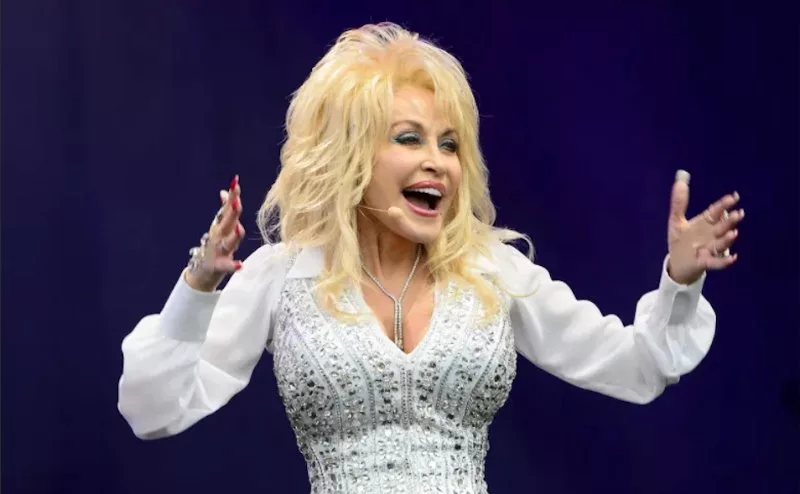
 Born in poverty in Tennessee’s Smoky Mountains, she turned her life into poetry — songs like Jolene, Coat of Many Colors, and I Will Always Love You became anthems of resilience and grace.
I was in my office when my wife walked in, our daughter on speakerphone, and delivered the kind of news that stops you cold: Dolly Parton had passed on. I felt the same hollow ache as when you lose someone close. My family knew how deeply I admired her — I even joked, “Get ready, we’re off to Tennessee for the funeral.”
But it wasn’t really a joke. Years ago, I told a friend of Dolly’s to make sure I got an invitation when that day came. Sadly, that friend has since gone to heaven herself, so I’ll have to join millions around the world glued to the screen as we say goodbye to a woman who defined an era and a genre.
It’s an irony worth noting that someone who grew up in a Kenyan village could fall in love with country music — a sound born in the American South, often associated with white rural life and, for a long time, presumed to carry the baggage of exclusion.
When I first migrated to Texas, I found myself in the heart of that world, where country music was as natural as breathing. Yet, even as racism lingered in its history, the music itself spoke a universal language — of heartbreak, hope, and humanity.
Over time, the industry cleaned up its act, and the fences came down. Today, country music welcomes everyone, thanks to icons like Dolly Parton who made it impossible to separate the genre from its generosity of spirit. Black artists have since carved out their own space — from Charley Pride to Mickey Guyton — proving that country’s soul belongs to anyone who can tell a story honestly.
And no one told stories more honestly than Dolly Parton. She was more than a singer; she was a storyteller, a businesswoman, a philanthropist, and a cultural diplomat. Born in poverty in Tennessee’s Smoky Mountains, she turned her life into poetry — songs like Jolene, Coat of Many Colors, and I Will Always Love You became anthems of resilience and grace.
She built Dollywood, not just as a theme park but as a living monument to Appalachian pride. She gave millions of books to children through her Imagination Library, funded vaccine research, and never stopped reminding the world that kindness is not weakness. Dolly’s genius was her ability to make everyone feel seen — from coal miners to CEOs, from Nashville to Nairobi. Her laughter was disarming, her humility disarming, her talent unmatched.
What she will be most remembered for, though, is her authenticity. In an age of artifice, Dolly was real. She wore wigs and rhinestones, yes, but beneath the glitter was a woman who never forgot where she came from. She made country music global, made generosity fashionable, and made faith and humour coexist in the same breath. She was proof that you can be larger than life without losing your humanity.
As we mourn her, we can also learn from her. Here are a few takeaways worth holding onto:
Dolly Parton’s life offers lessons that speak for themselves. She showed us the strength of being unapologetically who you are — never masking your accent, your humble beginnings, or the sparkle that made her unmistakably Dolly. Her authenticity was her power, a reminder that the truest influence comes from embracing your whole story.
She lived the idea of lifting others as she rose. Her generosity wasn’t a performance; it flowed from someone who knew hardship and made it her mission to ensure others had a chance at something better. She bridged divides with kindness, singing to everyone and refusing to let the genre’s past limit its future. Her voice crossed cultures and generations, proving that music — and humanity — are strongest when they welcome rather than exclude.
And she taught how to deal with pain. Her struggles became songs that healed millions, showing that beauty often begins in places where life hurts most.
So yes, I’ll be watching that funeral from afar, heart heavy but grateful. Because legends like Dolly Parton don’t really die — they simply change stages. Heaven has the doors wide open for her. And she will majestically walk in with that signature smile of hers.
The US-based writer is a political commentator