The challenge now is to build a country in which the next generation can remain on Kenyan soil and say, “I can achieve my greatest ambitions here!”
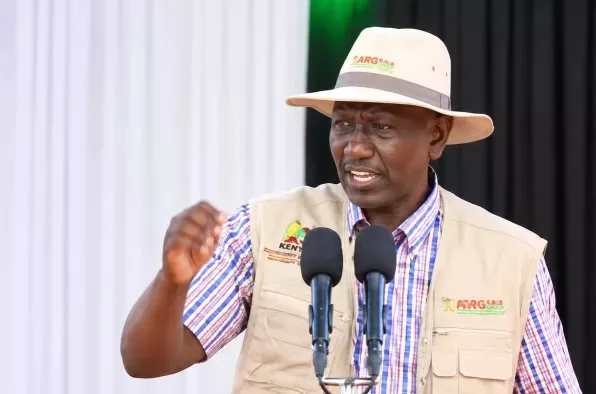
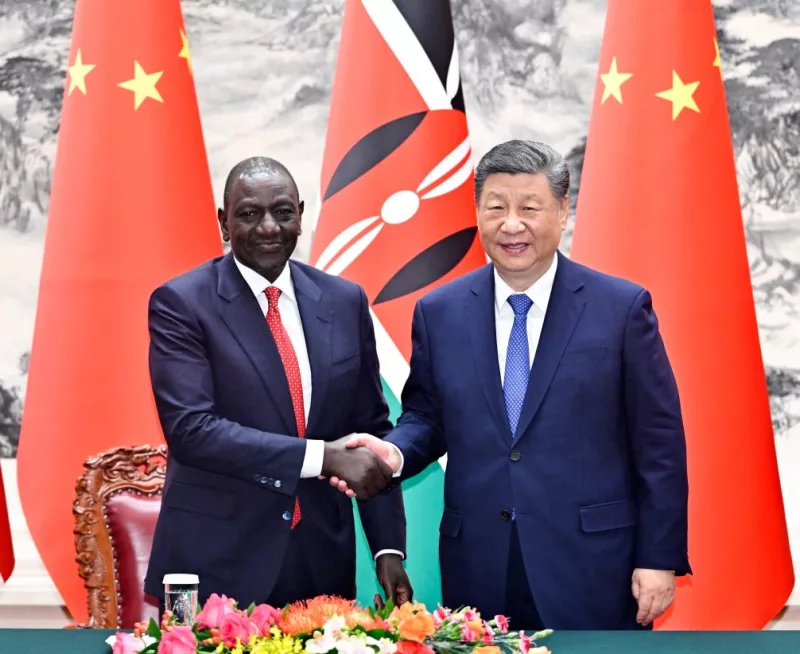
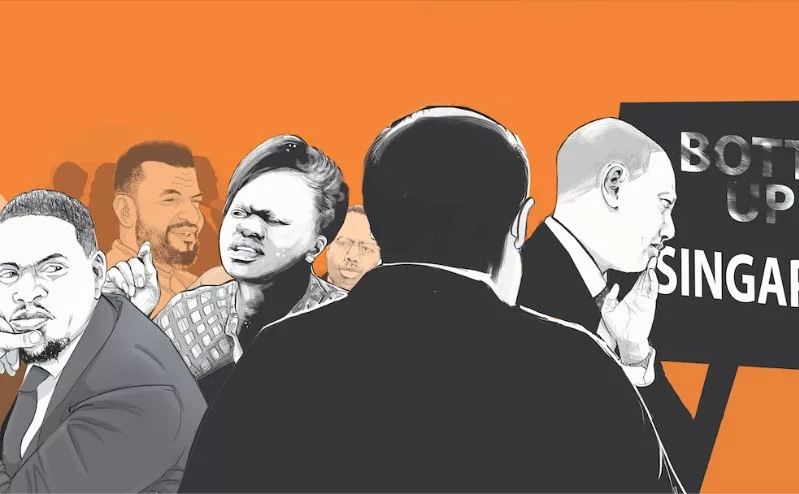
PresidentWilliamRutohasdevelopedafondnessforSingapore. HeinvokestheAsiancity-stateas evidenceofwhatdisciplineddevelopmentcanachieve.Thecomparison,however,invitesan obvious objection.
Kenya is not Singapore. One is a sprawling East African country of more than 50 million people; the other a compact entrepôt. Their histories, politics and economic circumstances at Independence were hardly identical.
Buttakingthecomparisonliterallymissesitspurpose.ThePresidentisnotreallyproposingthat KenyabecomesSingapore.HeisaskingusKenyanstobelieveourcountrycanaccomplish something that, from the vantage point of the present, looks improbable. Singapore is less a blueprint than a presidentialprophecy.
Yes! Kenya has heard such presidential prophecies before. Indeed, its post-colonial history can be read as a succession of three development frontiers: first, the struggle for sovereignty and land; then, the accumulation of human capital; and now, the harder task of building the infrastructure and institutions capable of synergistically combining our land and people into prosperity.
First,theland
BeforeKenyacouldargueaboutdevelopment,ithadtobecomeKenya.
ColonialismdidnotmerelydenyAfricanspoliticalsovereignty.Landalienation,particularlyinthe fertilecentralhighlands,becameoneofcolonialKenya'sdeepestgrievances.Theindependence generation therefore had to imagine something the distribution of power made improbable: a countrygovernedbyKenyans, in which Africans would exercise political rights and regain greater control over the land on which their livelihoods depended.
Thecolonialstatepossessedoverwhelminginstitutionalandmilitarypower.Yetthe Independence struggledrewstrengthfromsomethingnoarsenalcouldmeasure:theconvictionthatcolonialrule was not permanent.
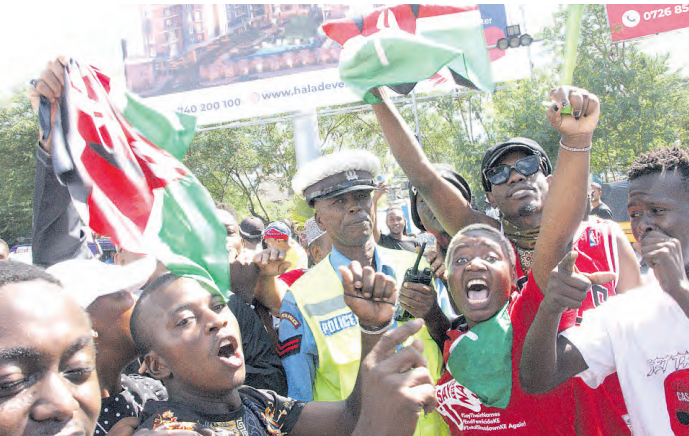
Thatconviction –theclamourfor“uhuru”–wasitselfanationalprophecy.Beforeindependenceand self-governmentcouldbecomeconstitutionalrealities,Kenyansfirsthadtoimaginethemas possibilities.TheyhadtobelieveinafreeKenyabeforetherecouldbeafreeKenya.
JomoKenyattacametoembodythatnationalaspiration.Hispresidentialprophecyhadatwo-stage proposition:firstliberation,thennation-building.Fromthestruggleforland andpoliticalfreedom, hearticulatedalargerpromise:thatKenyanswouldreclaimnotonlytheircountry,butalsothe powertoshapeitsfuture.Independencethereforerepresentedmorethanthetransferofpolitical authority.
Itrestedonafoundingproposition—thatKenyanswouldnolongerbesubjectsin somebody else’s political order, but citizens charged with building a nation of their own. His clarion call, Harambee, gave that proposition its post-independence expression: freedom had been won; now Kenyan patriots had to pull together to make something of it.
Thefirstfrontierwassovereigntyandownership.Itconcernedthegroundbeneathourfeet.
Then, themind
Independenceimmediatelyexposedanotherscarcity;a sovereigncountryrequirespeoplecapableof runningit.Kenyaneededteachers,doctors,engineers,accountants,lawyers,administrators, scientists and entrepreneurs. The national project therefore shifted from recovering political control to accumulating human capability.
PresidentDanielarapMoidistilledthisambitionintoaphrasethatbecamepartofthenational vernacular of a generation raised in the Kenya of the 1980s and 1990s: “Educationisthekey.”
Likemanypresidentialslogans,itriskedbecomingacliché.Buteducationbecameoneofthemost visibleinvestmentsoftheMoiera.Schoolsmultiplied,universitiesexpanded,andcommunities mobilised through harambee. President Moi made education conspicuousin the presidency itself, becoming the chancellor of all public universities and a familiar presence at university graduations and education-related events.
Hispoliticallegacy is,ofcourse,muchmorecomplicatedthanthis.Butcountries,likepeople,can inherit useful institutions from imperfect eras.
Moididnotdoitalone;parentssoldcattle,cultivatedadditionalacres,andworkedextrahardtopay schoolfees.Communitiesbuiltclassrooms.Teachersworkedwithlimitedresources.Students persevered and burned the midnight oil studying. The investment accumulated slowly, and its returns took decades to become apparent.
Thesignificanceofthatvisionwasnotobviousatthetime,butinretrospect,ithasearneditsplace asapresidentialprophecy,asKenyandoctors,academics,engineers,accountants,financiers,and technologists can be found from Nairobi to London, Johannesburg, Toronto, Dubai, and New York.
Educationdidindeedbecomeakey.ItopenedthevillagetothecityandtheworldforKenyans. Moreconsequentially,itopenedKenyato,andfor,theworld.
Kenya'seducateddiasporaissimultaneouslyameasureofnationalachievementandevidenceofan unresolved problem.
Now,buildfor prosperity
Successineducationproducedaparadox.Whathappenswhenacountrydevelopsglobally competitivepeoplefasterthanitdevelopsopportunitiesforthem?
Anengineerneedsmorethanadegree;sheneedsindustriesinwhichengineeringknowledgecan becomeproductive.Ascientistneedslaboratories.Anentrepreneurneedscapital,electricity, transport, digital connectivity and customers. A manufacturer needs reliable energy, efficient logistics and predictable regulation.
Aneducatedpopulationalsoneedssomethinglessobvioustotheeye:competentinstitutionsand values.Withoutthem,contractsbecomeuncertain,investmentbecomesriskier,infrastructure deteriorates, and public money produces less than it should. Worse, countries elsewhere capture the return on Kenya's investment in education by employing the people Kenya spent decades training.
This is the context in which President Ruto's Singapore reference becomes relevant, and the useful question is not whether Kenya and Singapore started from precisely the same place. They did not. It is this:
Whathappenswhenacountrysystematicallycombineshumancapital,infrastructure, capable institutions and access to global markets?
Singaporeprovidesoneunusuallycompellinganswer.
Withinafewgenerations,avulnerablecity-statewithfewnaturalresourcesbecameacentreof manufacturing,logistics,finance,technologyandinvestment.Itsachievementoffersdeveloping countries something more useful than a development slogan: proofthatnationaltrajectoriescan change.
ThatisSingapore'srealexport,which,whenviewedagainstthishistory,makesPresidentRuto’s invocation of Singapore look less like a fixation than the latest expression of an old Kenyan political tradition: asking the country to believe in a future that does not yet seem possible.
Kenya'sthreefrontiers
Seenthisway, Kenya's post-Independence development hasa certainlogic ortrajectory that requires truepatriotsandvisionariesifitistoberealised;
Kenyatta'sgenerationconfrontedownership: Canthiscountrytrulybelongtous?
Moi'seraemphasisedcapability: Canourchildrenacquiretheknowledgenecessarytocompetewithanyone?
Ruto'sgenerationconfrontsproductivity: Can Kenya build the infrastructure and institutions necessary to turn its land, human capital and enterprise into prosperityathome?
Ineconomicterms,theprogressionrunsfromnaturalassetstohumancapitalandthentophysical andinstitutionalcapital.Noneissufficientbyitselfbecauselandwithoutknowledgecanremain unproductive.Knowledgewithoutopportunitymigrates.Infrastructurewithoutskilledpeople becomes expensive concrete. Institutions without competence decay.
But combining land, educated people, infrastructure, enterprise and capable institutions multiplies the possibilities. This is hardly a new Kenyan insight.
JaramogiOgingaOdingatitledhisautobiographyNotYetUhurubecause,inhisview,political independence, momentous though it was, did not complete the work of liberation. The justifiable end was his imagination of a Kenya capable of “enterprise and development in fields beyond our shambas”.
Six decadeslater,thephraseremains strikinglycontemporary.Politicaluhuruwasoneachievement. Economic capability is another. In that sense, the journey from Kenyatta's land, through Moi's classroom, to Ruto's infrastructure is less a sequence of presidential projects than a series of chapters in an unfinished argument about what Independence is ultimately about.
WemustthereforeseeRuto’spresidentialprophecyforwhatitis.
Aroadmattersnotbecauseapresidentopensit,butbecauseitlowersthecostofmovinggoods. Electricitymattersbecausefactories,hospitals,datacentresandbusinessesdependuponit.
Digital infrastructure mattersbecause it connectscitizens,firmsand markets. And institutions matter because they determine whether all the other investments continue working after the politicians who commissioned them have left office.
Presidentsprophesy;generationsbuild
KenyattadidnotliberateKenya.Thousandsorganised,resisted,foughtandsacrificedfor it.
MoididnoteducateKenya.Parents,teachers,communitiesandstudentsdidmuchofthatwork. Likewise,PresidentRutowillnotbuildaprosperousKenyabypresidentialwillalone.
Transformationisultimatelyacollectiveenterprise.Politicsmatters,butsodoeswhathappens beyond it: entrepreneurs must invest, engineers design, workers build, universities innovate, public servants administer competently, and firms compete.
Citizens, for their part, must pay their taxes—and insist on receiving value for them. If Kenya is to make the leap President Ruto imagines, it will require a country that believes in that prophecy and is willing to help turn it into reality.
Presidentsmayarticulatenational prophecies.Generations haveto fulfil them.
ThisiswhySingaporeshouldberegardedneitherasatemplatenorasafantasy.Kenya'staskisnot tobecomeanAfricanSingapore.ItstaskistobecomeaKenyanKenyaoperatingatworld-class levels of productivity, ambition and institutional competence.
Canyounowperceivethisjourneyanditsappealingsymmetries?Onegenerationsecuredthe country. Another invested in the mind. The present one must build a platform for all to prosper.
The IndependencegenerationwantedKenyanstostandontheirownsoilandsay,"Thisisour country!"
Theeducationalgenerationwantedtheirchildrentostandanywhereintheworldandsay,“Ican compete here!”
ThechallengenowistobuildacountryinwhichthenextgenerationcanremainonKenyansoiland say, “I can achieve my greatest ambitions here!”
LandgaveKenyasovereignty.EducationgaveKenyanscapability.Infrastructureand institutions must now turn capability into prosperity.
ThatistheSingaporeprophecy!
The writer is a professor of accounting