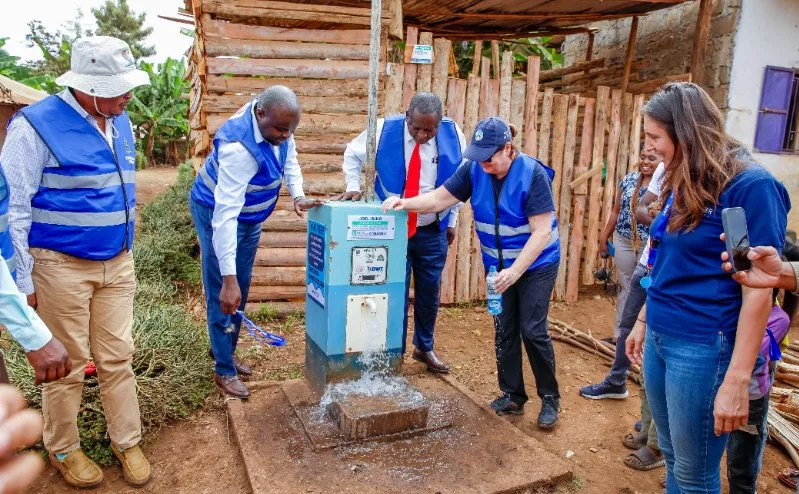
A World Bank and Mozambique water sector delegation has visited Kirinyaga to benchmark the county’s innovative eWater model, which has expanded access to safe and affordable water in underserved rural communities.
The delegation toured the eWater project in Gathigiriri ward, Mwea, to learn how community participation, affordable tariffs, water conservation and technology have been combined to improve water distribution.
The World Bank said Kenya, and Kirinyaga in particular, had been selected because of their innovative approaches to extending water services to rural communities.
The visit formed part of efforts to gather lessons for a large-scale rural development project in Mozambique.
“We always talk about how Kenya is good at distributing water in rural areas and how the systems work and are different, innovative and affordable,” World Bank representative from Mozambique Chantul Richey said.
The delegation visited Kiriko village, where the county has partnered with eWater since 2019 to provide affordable treated water to households that previously depended on unsafe sources.
Under the partnership, eWater designs, finances and installs smart water systems, while the county government provides infrastructure, land access and regulatory support.
Environment executive Kinyua Mutugi said the partnership had delivered 177 community smart taps, 83 household connections and six institutional connections in Gathigiriri ward.
The network serves about 17,000 people across seven villages, with residents paying Sh5 for a 20-litre jerrycan.
“We have partnered with eWater, a private enterprise, to provide water to the people of Gathigiriri ward, which was previously underserved with clean water. The project has been very successful,” Mutugi said.
He said the project had demonstrated the value of partnerships in improving access to clean water in rural areas.
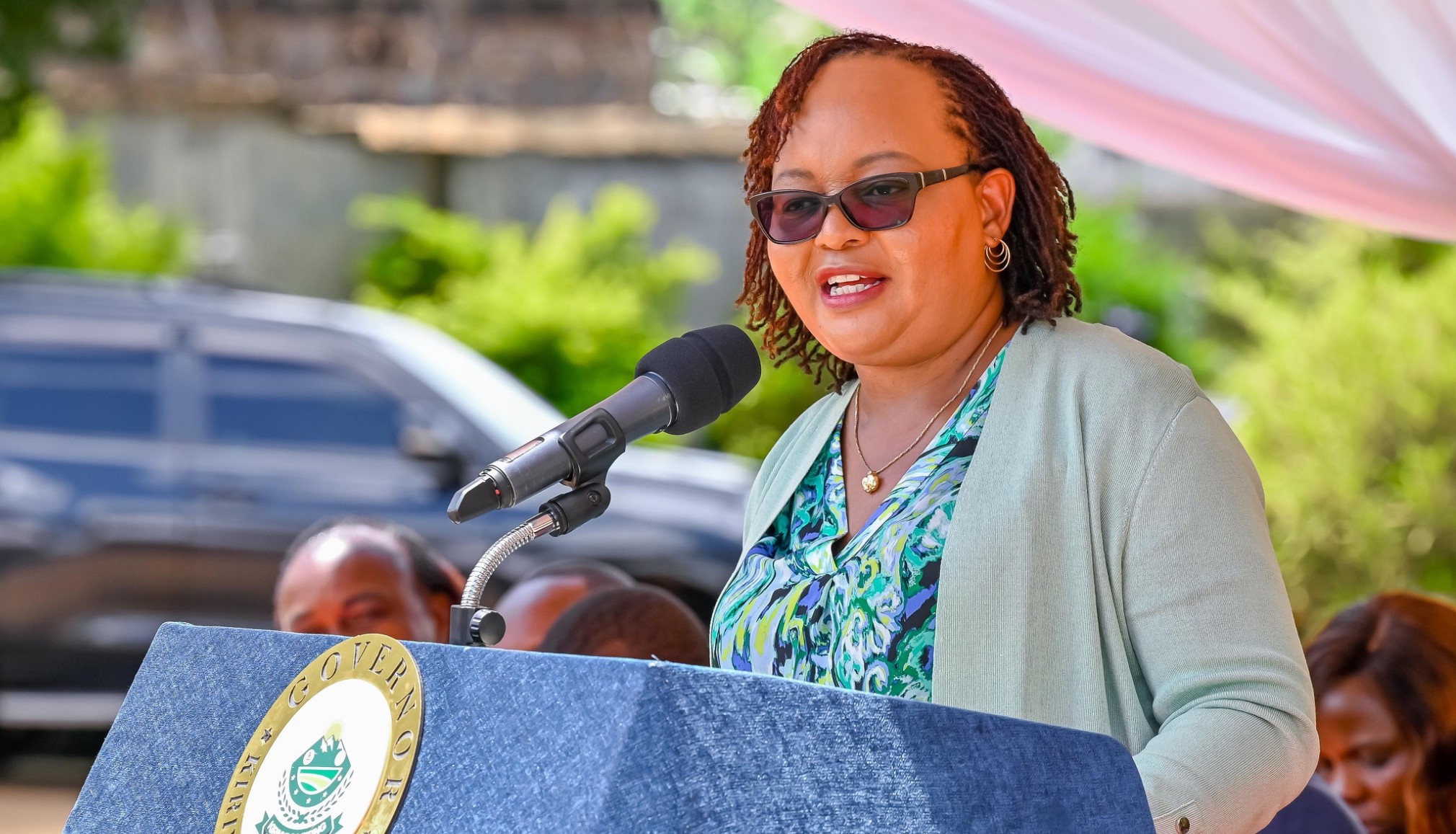
Governor Anne Waiguru said the county had allocated Sh200 million in the last and current financial years for water projects, in addition to investments made through partnerships.
The county is implementing 38 water projects in the current financial year and has undertaken more than 70 projects across various wards as it seeks to expand access to clean domestic water.
“To ensure the residents also access clean domestic water, we have partnered with eWater organisation to undertake projects that serve about 7,000 residents in Mahigaini, Kirogo, Kamucege and part of Tebere with clean treated domestic water,” Waiguru said.
The approach has also attracted interest from Mozambique, where officials are seeking ways of making rural water services affordable while involving communities in managing systems.
Caudina Bebane, project coordinator of the Agua Segura project in Mozambique, said the delegation was particularly interested in how communities were involved in managing water services and how tariffs encouraged consumers to pay for the resource.
“We have come to learn about preserving water, making water available and learning about tariffs and what makes people pay for water willingly,” Bebane said.
For residents of Gathigiriri, the project has replaced contaminated canal water with treated water available closer to their homes, easing the burden of accessing water.
Freshia Wambui, an eWater consumer from Kiriko village, said residents previously relied on irrigation canals exposed to agricultural waste, animal waste and sewage.
“Before eWater, we used to consume water from the canals, which was very dirty. It was possible to find used diapers and other waste in the water,” she said.
Wambui said access to treated water had improved hygiene and reduced waterborne diseases, while residents could now safely use the water for drinking, cooking, washing clothes and caring for young children.
Under the model, consumers use mobile money to top up their eWater tags and pay only for the water they consume. This allows the operator to provide services while keeping tariffs within reach of rural households.
The model has been used to expand water access without placing the entire financial burden of infrastructure development on county governments, while technology helps monitor consumption and payments.
eWater currently operates in Kenya, Tanzania, Ghana and Gambia. Over the past decade, the system has dispensed more than 1.5 billion litres of water and served about 380,000 people across Africa.
The visit placed Kirinyaga’s rural water model on the international learning agenda, as Mozambique officials and the World Bank seek approaches that can be adapted to local communities while maintaining affordability, sustainability and reliable access to water.