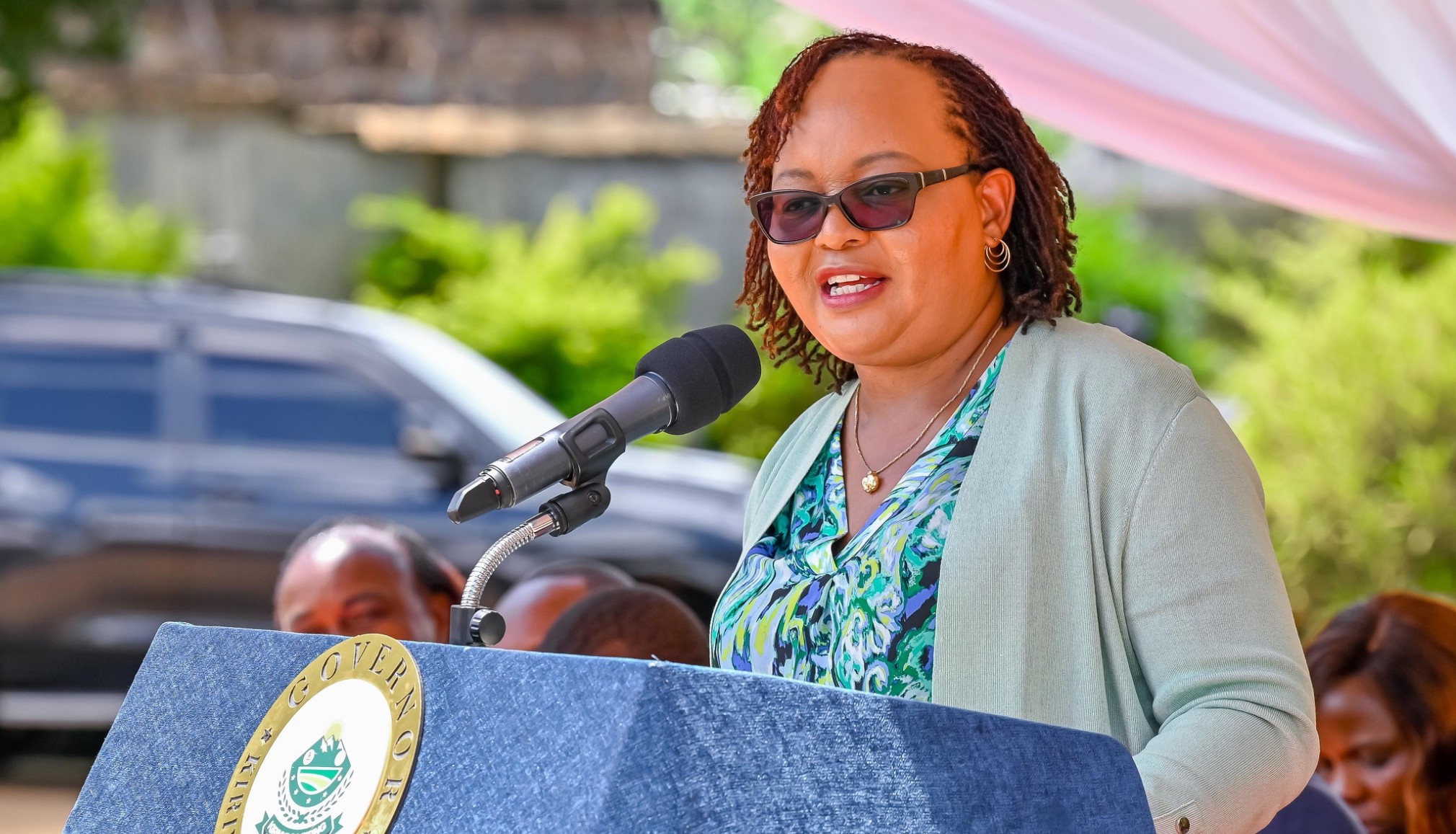
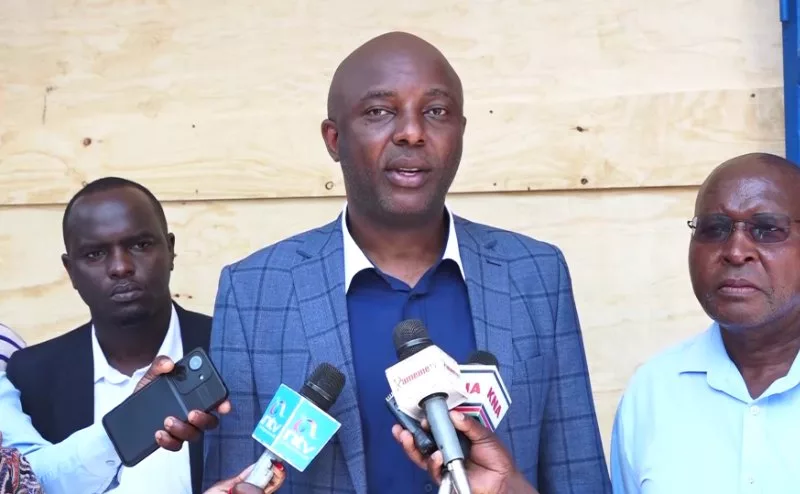
 Murang'a Governor Irungu Kang'ata /ALICE WAITHERA
Murang’a government will start a comprehensive revenue mapping exercise next month as it seeks to identify and digitise revenue streams and seal loopholes in collection.
Governor Irungu Kang’ata announced the county will recruit 2,048 youth and residents to collect data from 512 public primary schools, with each school assigned four data collectors.
The positions will comprise two graduates and two university, college or Technical and Vocational Education and Training (TVET) students, who will be deployed within the primary school catchment areas where they reside.
Kang’ata explained the exercise was part of efforts to build on reforms introduced by his administration to improve own-source revenue collection through automation and the sealing of leakages.
“We have achieved this without increasing any taxes, fees or charges. The growth is from better collection, not a higher burden on our people,” the governor remarked.
The county has increased its own-source revenue from an average of about Sh500 million before 2023 to Sh1.7 billion as at June 30, 2026.
The increase has followed the adoption of automated revenue collection systems and measures aimed at closing loopholes in the collection and management of local revenue.
The county has automated a wide range of revenue services, including parking, market fees, quarry levies, cess, land rates, advertisements, hospital and social services, fire services, veterinary services and public health payments.
Business permits and liquor licences can also be applied for and renewed online.
The reforms followed years of challenges in which the county struggled to meet its own-source revenue targets.
In 2022, the county assembly passed legislation providing for the automation of revenue collection and measures to curb revenue theft, after the county's average collections persistently fell short of the Sh1 billion target.
The mapping exercise is intended to provide the county with a comprehensive database of businesses and other revenue-generating activities in every ward, allowing it to establish its revenue base and identify areas where leakages may still exist.
“The exercise will also help protect traders from illegal collectors by establishing what should be paid, where it should be paid and by whom,” Kang’ata explained.
The exercise will strictly involve data collection, with traders not required to pay money, fees or penalties to the data clerks.
“This is about knowing what exists in every part of Murang’a so that we can improve collection and close leakages while protecting traders from unauthorised collectors,” the governor emphasised.
The data collectors will wear official branded reflector jackets and will not handle cash, with the county government maintaining that the arrangement will distinguish them from unauthorised revenue collectors.
Applications for the positions will be made free of charge through the MyMurang’a App or the county’s online application platform, with no manual applications accepted.
Applicants will have to apply for the primary school catchment area where they reside, with those who apply for more than one school facing automatic disqualification.
The final list of successful candidates for each primary school will be published on the MyMurang’a App, while successful applicants will be notified through SMS.
The three-day engagement will begin with mandatory training on September 9 and 10 before successful candidates undertake field mapping on September 11 and 12.
Kang’ata said the mapping would enable the county to sustain growth in own-source revenue while ensuring improved collections do not translate into higher taxes, fees or charges for residents and businesses.
The governor stressed that strengthening the county's revenue base remained important in enabling the devolved unit to finance services and development projects from locally generated resources.
Instant Analysis
The increase in revenue has followed the adoption of automated revenue collection systems and measures aimed at closing loopholes in the collection and management of local revenue. The mapping exercise will provide the county with a comprehensive database of businesses and other revenue-generating activities in every ward.