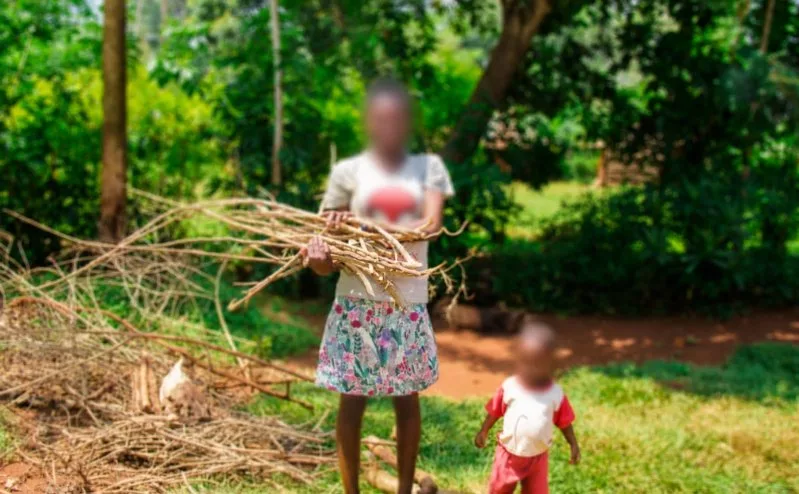
 MT and her son in Siaya County. A day in the life of a young mother /Faith Matete
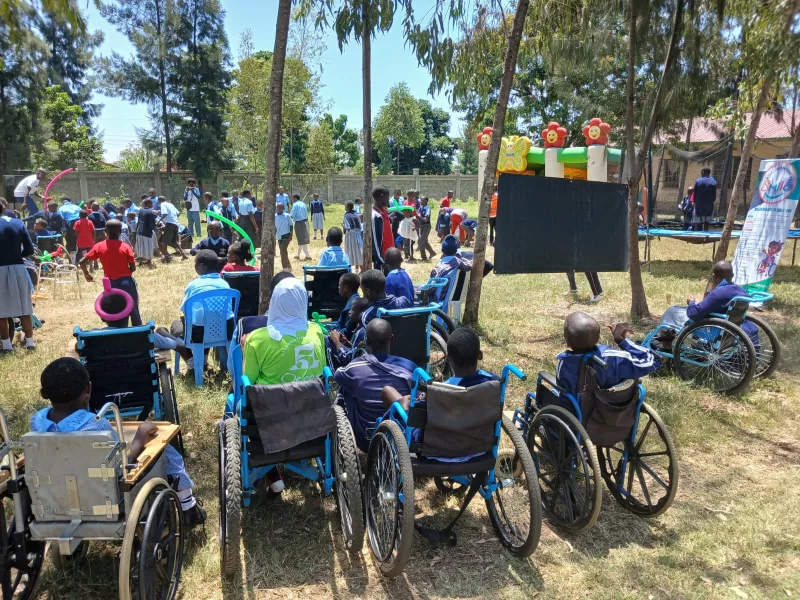
 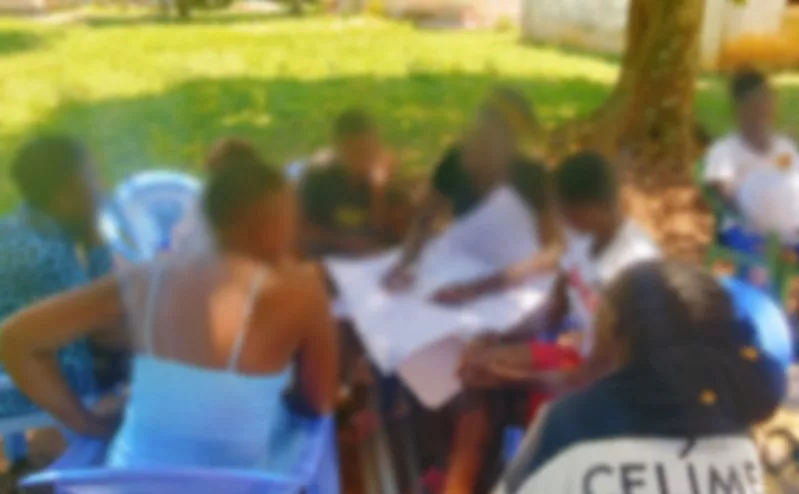 Some of the Young Mothers during a mentorship session by Muungano Rural Empowerment Centre in Siaya County under the Adolescent Girl Power Project /Faith Matete
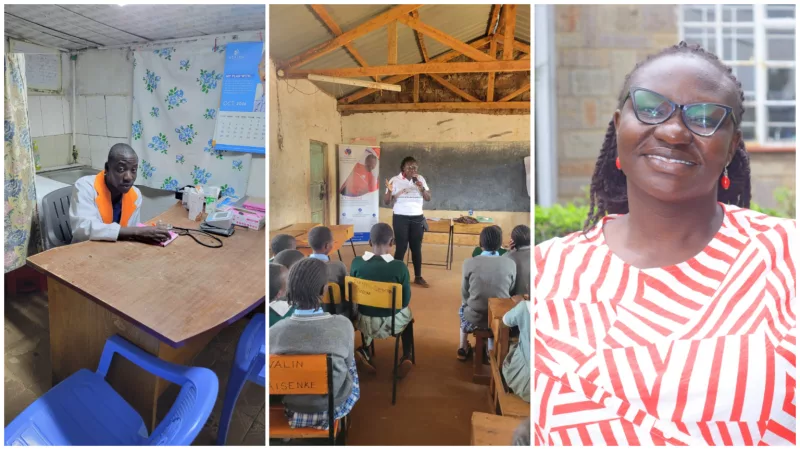
 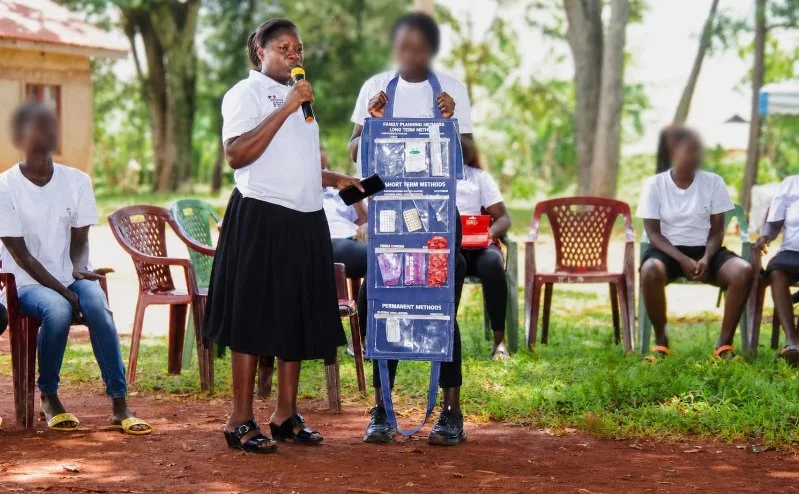 Betty Morgan of Muungano Rural Empowerment Centre in Siaya County during one of the mentorship sessions with the young mothers in Siaya under the Adolescent Girl Power Project. /Faith Matete
 At 5 am, MT* (not her real name) is already awake.
The house is still quiet, but her day has begun. Before she can think about school, there is breakfast to prepare, a child to dress and everything her baby will need before she leaves for class. Only then does she get herself ready.
By the time the 19-year-old walks out of the compound, she has completed the first shift of her day. The second begins when she enters the classroom.
It is a routine she never imagined.
At 17, while in Form 3, MT discovered she was pregnant.
“I was shocked when I discovered I was pregnant. I thought deeply about how I would tell my mother and how we were going to survive because of our poor background,” she recalls.
The pregnancy threatened not only her future but also her education. With the support of her mother and teachers, she chose not to give up.
She gave birth during her second term in Form 4 and returned to school just three weeks later.
The adjustment was painful. Sometimes breast milk leaked through her school blouse. She sensed classmates keeping their distance and hurried home after lessons each day to care for her baby.
“I went back to achieve my school goals despite what others were saying,” she says.
Although she missed the university grade needed to become a teacher, she refused to let one setback define her life. She trained in cosmetology and information and communication technology and now earns an income through hair plaiting, manicures and pedicures.
“To young mothers, I want to say that getting pregnant or giving birth is not the end of life. You can return to school and pursue your dreams.”
Her determination was strengthened by a family that refused to let poverty dictate her future.
After her father died when she was nine months old, her mother raised her alone, working first as a house help and later as an M-Pesa agent.
She slowly built a home by buying one iron sheet at a time and later worked on farms while caring for her grandchild so MT could continue studying.
Sly* knows the same struggle.
She became pregnant at 17 while in Form 1 and spent months watching her classmates continue with school while she stayed at home caring for her baby. “I felt bad when I saw my agemates going to school while I was just at home,” she says.
Today, she wakes at 4am to prepare porridge for her child before setting off for school.
A bicycle donated through a programme supporting adolescent mothers has shortened what was once a long daily walk.
Like MT, she has balanced school with childcare, relied on family and neighbours, and endured the fear of being judged by classmates.
Her grandmother, despite living with a metal plate in her leg after an accident, helps care for the child whenever she can.
The family has endured difficult moments.
At one point, Sly fled home because of fear and stigma and was later traced to Uganda after being encouraged to start life away from home by close relatives. Returning home meant rebuilding her life as a mother and a student.
Still, she chose to return to class.
“Do not give up. Remain focused until you achieve your goals,” she tells other young mothers.
For many adolescent mothers, returning to school is about far more than reopening a textbook.
It means finding childcare, paying school fees, overcoming stigma and believing they still belong in a classroom.
Betty Morgan of Muungano Rural Empowerment Centre says many girls face poverty, discrimination and little family support after becoming pregnant.
“How do you go back to school and mingle with those who have not had children when you are already a mother?” she asks.
A teacher who requested anonymity says the difference often comes down to the support young mothers receive.
“When a young mother returns to school, what she needs most is support, not judgement. With the right support from teachers, parents and the community, many are able to continue learning and perform well.”
Kenya’s 2020 National Guidelines for School Re-entry require schools to support pregnant learners and adolescent mothers to resume their education in a safe and non-discriminatory environment.
But policy alone cannot solve the practical realities of childcare, school fees and social stigma.
The challenge stretches well beyond Siaya county.
The World Health Organization estimates that about 21 million girls aged 15 to 19 become pregnant every year in low- and middle-income countries.
About 12 million give birth, and many leave school, limiting their future education and employment opportunities.
To help change that trajectory, the Adolescent Girl Power Project, implemented by Muungano Rural Empowerment Centre with support from the Children Rights and Violence Prevention Fund, provides safe spaces where young mothers receive counselling, parenting skills, entrepreneurship training and education support.
The programme has enabled girls to return to secondary school, enrol in vocational training and apprenticeships and start small businesses.
Project data shows 23 young mothers have joined vocational training, eight have received secondary school sponsorship, 24 have entered apprenticeships, 30 have received education support, and 87 have been trained in entrepreneurship and livelihood skills.
Nine have received start-up capital to launch businesses.
The need remains urgent. According to the 2022 Kenya Demographic and Health Survey, 21 per cent of girls aged 15 to 19 in Siaya have ever been pregnant, well above the national average of 15 per cent.
Yet statistics cannot capture the courage required to return to school after becoming a mother.
They cannot show a teenager trying to concentrate on a lesson while worrying about the child at home, or the sacrifices made by mothers, grandmothers, neighbours and teachers who make that journey possible.
Before dawn each morning, MT prepares for school. So does Sly.
They walk into classrooms carrying responsibilities few of their classmates understand.
Motherhood changed their lives.
It did not end their dreams.
Instant analysis
The stories of MT and Sly reflect a wider challenge facing adolescent mothers in Kenya: returning to school is often possible in policy but difficult in practice. While Kenya's re-entry guidelines protect young mothers' right to education, stigma, poverty, childcare responsibilities and limited family support continue to push many out of school. Their experiences show success depends not only on determination but also on supportive families, schools and communities. Investing in education, childcare and livelihood programmes can help break the cycle of poverty affecting both young mothers and their children.
The Star Newspaper Young Mothers Project is part of the Young Mothers Consortium, a regional initiative supported by the Conrad N. Hilton Foundation and working across Kenya, Mozambique and Tanzania to centre young mothers' leadership and voices.