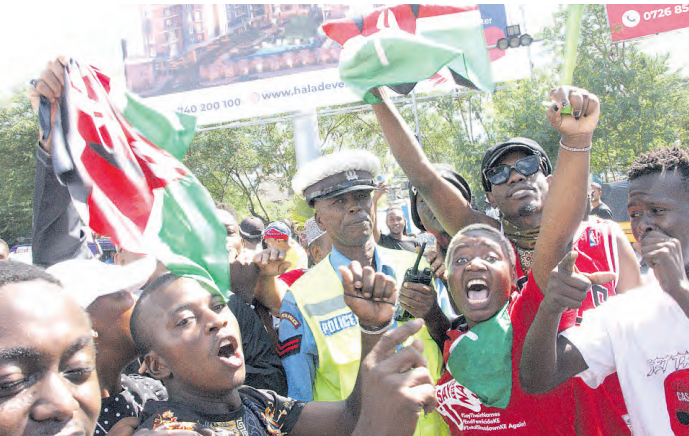
It took many of us years after the euphoric 2002 election to believe that President Mwai Kibaki had shred into small pieces his MoU with the man who made it possible for him to ascend to the presidency.
Had Kibaki honoured the MoU, Raila Odinga would have become
Prime Minister in 2002, and likely gone on to succeed Kibaki in 2013. That’s
because with a happy Raila as PM, Kibaki would have had an easy reelection in
2007, which also means we would not have suffered the 2007 violence and the
painful aftermath.
The shredding of the MoU changed all those positive outcomes and set us on our current trajectory.
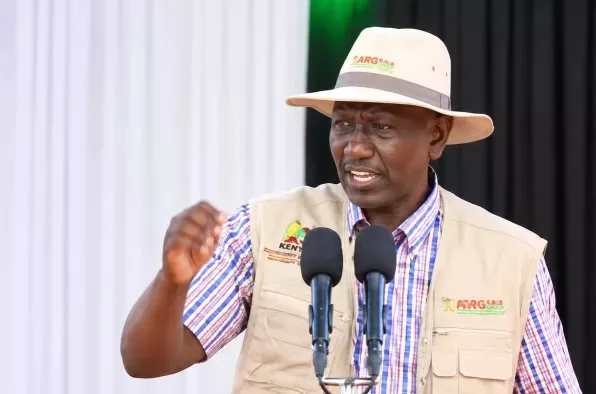
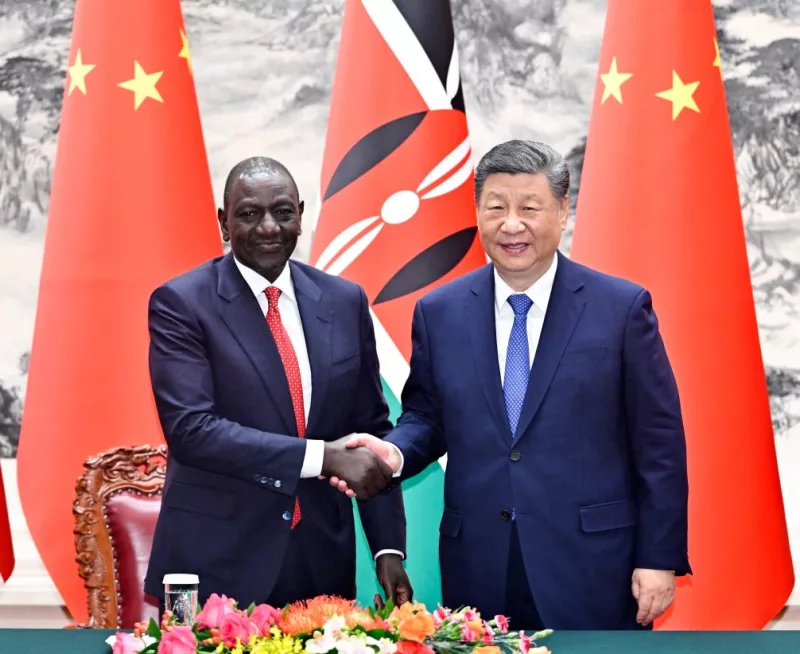
Much as Kibaki trashed his MoU with Raila and put the two men on a warpath soon after that, President William Ruto eased his left hand into his left-side pocket and with a wide grin shoved his then Deputy Rigathi Gachagua aside.
Although both men both men publicly denied it, several developments suggested growing tension right from the get-go in a scenario no different from the case between Kibaki and Raila soon after the former was sworn in.
As history would have it, the former ODM leader rose to be more impactful in the country’s political affairs than any single president has been by working alone. Never mind that he won the presidency at least once and arguably twice but was never sworn in.
Raila cultivated the goodwill voters had for him in the lead-up to the 2002 election and most voters sympathised with him in what many saw as grand betrayal by handing him not just victory in defeating the flawed 2005 Constitution, but also what he and many objectively maintain was even sweeter victory in the 2007 electionin which although Kibaki was reelected.
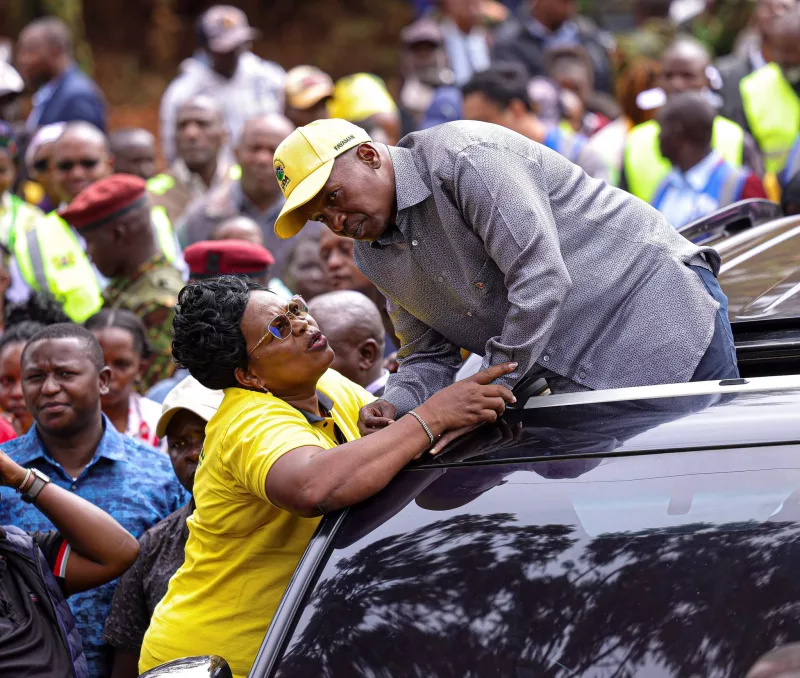
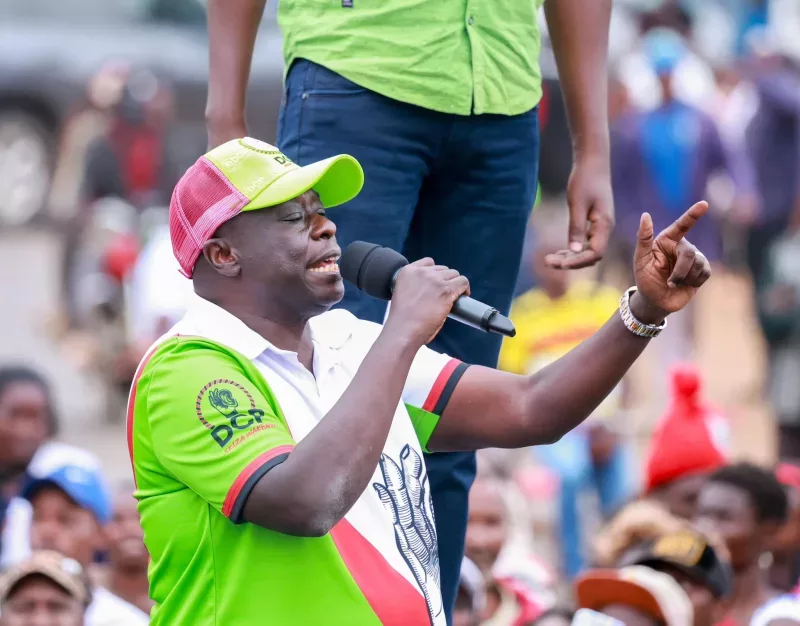
On that score, Gachagua has put some impressive points on the board by coming from the political grave where Ruto and his foot soldiers thought they had dumped him and left him for the dead, only to hoist himself out to become their worst nightmare.
But that is where the parallel ends with what Raila did to vanquish Kibaki at the polls in 2007.The then ODM leader remained singularly focused but not on the fact Kibaki betrayed him in trashing their MoU — that was obvious and he needed not dwell on it.
Rather, he remained focused on delivering on the elusive Third Liberation Kenyans had hoped arrived with the euphoric 2002 election, only to remain out of reach.
Not just after the 2002 election, but also after each ensuing election, including the 2017 election when Raila presented himself as the biblical Joshua to lead his supporters to a prosperous land of Canaan.
The vote counters had other plans, which were severely rebuked by the Supreme Court, but kudos to then President Uhuru Kenyatta who reached out to Raila and stabilised the country.
Had the BBI come to pass, there wouldn’t be a Ruto presidency to speak of at this time and, of course, no Gachagua factor.
The former DP is a thorn on the side of not just the President, but a thorn representing an existential threat to any efforts to deny Ruto a second term, unless Gachagua makes the right calls in a way that does not or would not render those efforts difficult at best or useless at worst.
In other words, the DCP leader must now start to assess and answer the questions, is there now an appearance at the horizon of the effects of the laws of diminishing marginal returns? Is wantam just a slogan or a mission that leaves no room for obvious mistakes or missteps, thereby swinging the door wide open for the State House incumbent to romp back in come 2027? What does it take to say, “Okay, I have done very well here to play a critical role in making the wantam campaign a reality, it’s now time to let others breathe and if that includes having them grow, so be it.”
He should know his positionis assured in this historic journey to rectify things and finally deliver the Third Liberation the nation has been longing for.
That’s what a national hero would do.