As Kenya begins a national discourse on what comes after Vision 2030, we must resist the temptation to treat this as merely another planning exercise.
This
is not simply about writing the country’s next development blueprint. It is
about asking ourselves a more fundamental question: what kind of republic do we want to become over the next generation?
Vision 2030 was conceived at a defining moment in our history. It gave Kenya ambition. It encouraged investment in infrastructure, expanded social services and sought to transform our economy through the economic, social and political pillars. Many of its aspirations remain valid, and significant progress has been achieved despite inevitable challenges.
Yet Kenya in 2026 is fundamentally different from Kenya in 2008 when Vision 2030 was launched. Its aim: to transform Kenya into a newly industrialising, middle-income country providing a high quality life to all its citizens by 2030.
We have a transformative constitution. We have a devolved government. We have experienced unprecedented technological disruption. Climate change is no longer a future threat but an economic reality.
Our population is younger, more urban and more connected than ever before. Artificial intelligence is reshaping labour markets, while geopolitical shifts are changing global trade patterns.
It would therefore be a mistake to simply extend Vision 2030. Kenya requires a new national development compact anchored on today’s realities and tomorrow’s opportunities.
The conversation must therefore be wider than economics. It must define the architecture of the Kenyan state for the next 50 years.
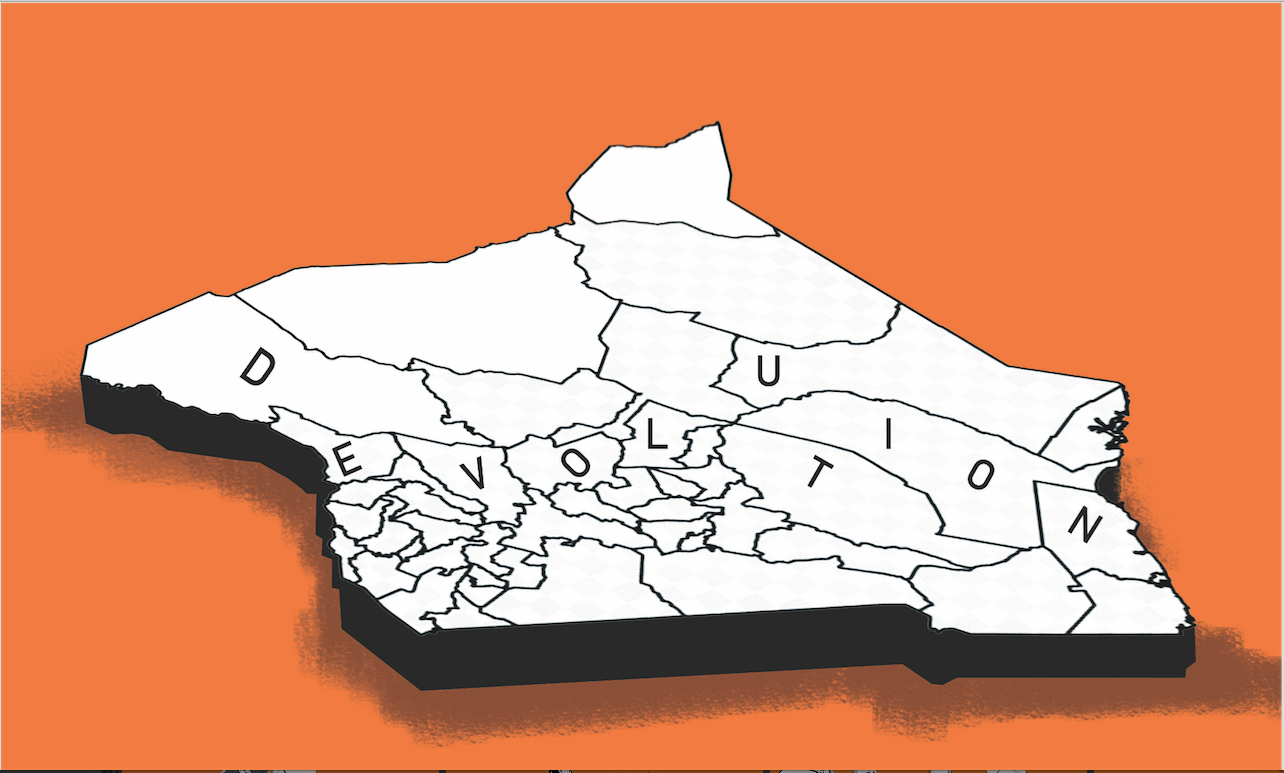
Devolution must move from being an administrative arrangement to becoming the country’s principal development model.
The greatest institutional innovation of the 2010 Constitution was not simply creating 47 counties. It was bringing government closer to citizens and making development responsive to local priorities. Yet too often, counties continue to operate within fiscal and administrative constraints that limit their constitutional mandate.
The next national blueprint must answer difficult questions.
Should counties receive greater fiscal autonomy?
Should housing, urban development and local economic planning become even more devolved?
How do we build metropolitan economies that compete globally while ensuring rural counties also prosper?
The future of Kenya will increasingly be determined by the strength of its cities. Nairobi, Mombasa, Kisumu, Nakuru, Eldoret and our emerging urban centres must become engines of productivity rather than simply centres of population.
Second, the economy must shift from consumption to production.
For decades, our development debates have concentrated on distribution rather than value creation.
The Kenya of tomorrow must produce more than it imports.
Manufacturing, agro-processing, the blue economy, logistics, digital services, pharmaceuticals, renewable energy and the creative economy should become the backbone of our national competitiveness.
As governor of Mombasa, I see daily the enormous potential of our maritime economy. The Indian Ocean should not merely be our coastline. It should be our greatest economic frontier.
The next vision must therefore recognise counties not as implementers of national policy but as distinct economic ecosystems with comparative advantages that contribute to national prosperity.
Third, human capital must become Kenya’s greatest national infrastructure project.
The countries that will dominate the 21st century are not necessarily those with the largest natural resources. They are those that educate, innovate and continuously reskill their people.
Kenya’s next development framework must place education, technical training, research and innovation at its centre.
AI, robotics, biotechnology and advanced manufacturing are already transforming global economies. Our schools and universities cannot continue preparing young people for jobs that may no longer exist. Instead, they must prepare them to create entirely new industries.
Fourth, governance must become measurable rather than rhetorical.
Citizens increasingly demand results rather than promises. Public institutions should be evaluated using transparent performance indicators that are publicly available.
Digital government should become the default rather than the exception. Open data, interoperable public systems and evidence-based policy making should define public administration.
The republic must become easier to navigate for every citizen. Efficiency itself is a form of social justice.
Fifth, climate resilience can no longer be treated as an environmental issue alone.
Floods, droughts, coastal erosion, water scarcity and food insecurity are now economic questions. Every investment made under the next national vision should be tested against climate resilience.
Green growth should become mainstream economic policy rather than a specialised environmental agenda. For coastal counties like Mombasa, this is no longer optional. It is existential.
Sixth, we must redefine national cohesion.
For decades, Kenya has attempted to solve political instability after elections. Perhaps the better approach is to build institutions that reduce the stakes of elections altogether.
When every region experiences
equitable development, when opportunities are fairly distributed, and when
citizens trust institutions more than personalities, political competition
becomes healthier.
Our politics should increasingly become contests of ideas rather than contests of identity. That is precisely what the constitution envisioned.
Finally, this conversation must belong to Kenyans — not governments or political parties. The greatest strength of Vision 2030 was that it emerged from broad consultation.
The next blueprint must go even further. Young people, county governments, academia, professional bodies, business, labour, faith communities, persons with disabilities and civil society must all become co-authors of Kenya’s future.
Political leaders should facilitate the conversation, not monopolise it.
As deputy party leader of ODM, I
believe our responsibility is not merely to critique national policy but to
contribute constructively to nation-building. A mature democracy is defined by
its ability to imagine together before it legislates together.
This is why the national conversation before us matters. It is not about replacing one government agenda with another. It is about producing a long-term national covenant that survives changes in administration.
Vision 2030 challenged Kenya to dream. The next vision must challenge Kenya to transform. If we succeed, future generations will not remember this moment because we wrote another policy document.
They will remember it because we had the courage to redefine what the republic could become — and then collectively built it.