Kenya is approaching a point where the most important political question is no longer who belongs to which political camp, but what kind of country we intend to build. The country has urgent development needs that cannot be postponed until the next election cycle in 2032.
Across our towns, counties and rural communities, citizens need roads, water, electricity, housing, schools, hospitals, digital connectivity, irrigation and reliable public transport.
These are not partisan demands. They are the foundations of a functioning economy and a dignified life.
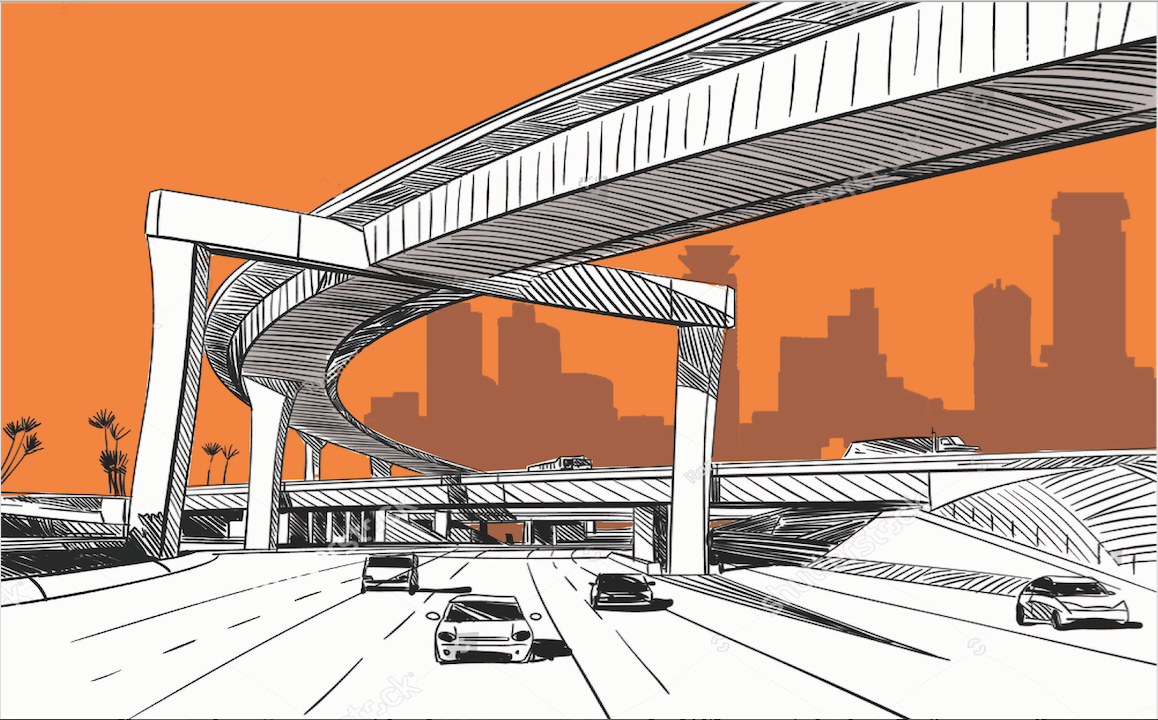
Consider the Rironi-Mai Mahiu-Naivasha-Mau Summit corridor. Its expansion is not simply another road project to be claimed by a government or opposed by its critics. It is a piece of national economic infrastructure that has been needed for years.
The corridor carries people, agricultural produce, manufactured goods and regional trade. Its congestion and limitations impose costs on motorists, businesses and the wider economy.
Building a modern highway is therefore a public good whose value extends well beyond the road itself and transcends politics.
The same logic applies across the country.
In northern Kenya, the central question for many communities remains access to dependable water, roads, electricity and connectivity.
In the arid and semi-arid counties, water infrastructure is not merely an amenity; it determines whether communities can sustain livestock, agriculture and growing settlements.
In the Rift Valley and western Kenya, productive agricultural economies require better roads, irrigation, storage, energy and market infrastructure. A farmer cannot be expected to increase production if produce cannot reach markets efficiently, if irrigation is unreliable or if electricity remains inaccessible.
Along the Coast, the development conversation must include water security, urban infrastructure, tourism, transport and realising the full economic potential of the region’s strategic location.
In the Lake Victoria region, transport links, water systems, sanitation, energy and industrial infrastructure remain central to unlocking its considerable economic potential.
In our rapidly expanding cities, the challenge is even more immediate. Kenya’s urban population will continue to grow, creating enormous demand for housing, public transport, sewerage, water, drainage, schools, health facilities and planned settlements. If we fail to anticipate that growth, today’s infrastructure deficits will become tomorrow’s crises.
Electricity presents another national imperative. A modern economy cannot operate on unreliable or inadequate power. Homes need electricity. Schools need it. Hospitals need it. Small enterprises need it. Factories need it.
Digital businesses need it. Kenya’s transition to a more productive economy therefore depends not only on generating power but on extending reliable distribution to communities and enterprises that remain underserved.
Water deserves the same national urgency. From Nairobi to Turkana, from Mombasa to Kisumu, water security is becoming increasingly central to economic and social stability.
The answer lies in investing in dams, water treatment, distribution networks, irrigation, storage, catchment protection and efficient management. We cannot continue treating water shortages as isolated emergencies when they are becoming structural challenges.
This is why Kenya needs a political culture in which development is not viewed through the narrow lens of who initiated a project or which political faction benefits from it. A road built today will serve Kenyans regardless of who votes for whom.
A water project does not ask for a party card. Electricity does not distinguish between supporters and opponents. A hospital does not treat people according to their political affiliation.
That should be the basis of our national conversation.
Kenya’s political class must also confront the danger of reducing national politics to ethnic arithmetic. No community benefits from this more than another.
The Kikuyu community, like every other Kenyan community, has a national footprint extending across virtually every county. Its economic, social and familial interests are therefore inseparable from the peace and prosperity of the entire country. The same is true of every community represented across Kenya.
This is why politicians who deliberately cultivate ethnic suspicion are doing the country a profound disservice. They ask Kenyans to see one another through the narrow prism of tribe when the realities of modern Kenya demand the opposite.
Our children attend the same schools, our businesses trade across county boundaries, our families are intermarried and our citizens live and work far from their ancestral homes.
Kenya does not need politicians who make division a political strategy. It needs leaders capable of making development the common ground on which citizens can meet.
A road in the Rift Valley, water in Turkana, electricity in Western, housing in Nairobi or irrigation in Eastern is not a Kikuyu project, a Kalenjin project, a Luo project or a Kamba project. It is a Kenyan project.
There will always be legitimate debate about the cost, financing, procurement and implementation of public projects. Government must be held to account.
Public resources must be protected. Projects must deliver value for money. Poor execution should be challenged. These are responsibilities of a democratic society.
But scrutiny must not become an excuse for paralysis.
Kenya cannot afford a politics in which every major development project is automatically reduced to a political contest. Nor can we afford to postpone necessary infrastructure because political actors fear that their opponents might receive credit for delivering it. The real beneficiary should be the Kenyan citizen.
The country has spent decades identifying many of these deficits. We know where the roads are inadequate. We know where water is scarce. We know which towns require sewerage systems.
We know where electricity connections remain insufficient. We know that our cities need more housing and better transport. We know that agricultural productivity requires irrigation, storage and market access.
What we need now is the national resolve to address them.
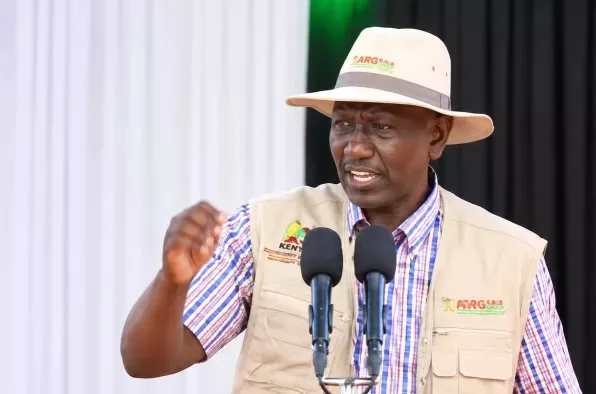
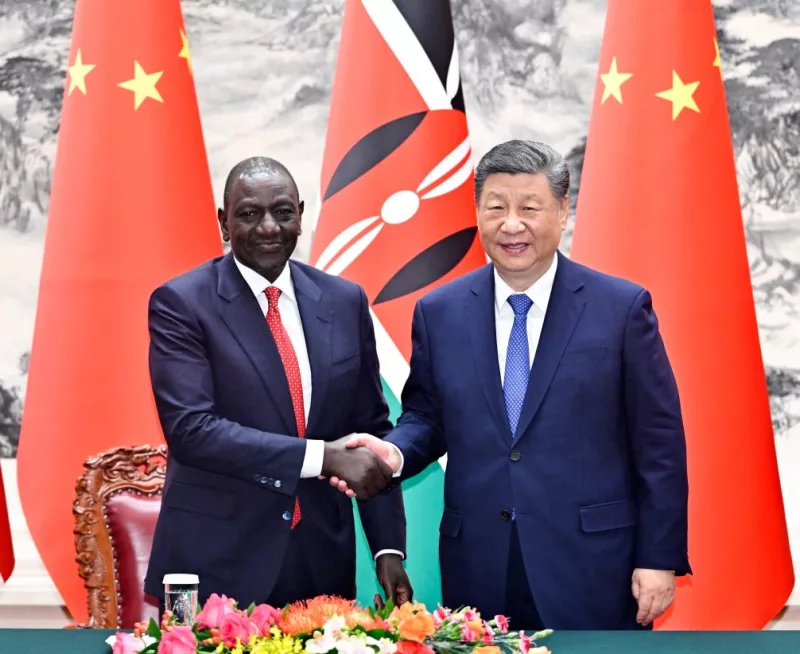
President William Ruto’s development agenda should therefore be judged principally by whether it expands Kenya’s productive capacity and improves the daily lives of citizens.
The Rironi-Mau Summit highway is one example of infrastructure whose importance should be measured by the economic activity it enables, the time it saves, the safety it improves and the opportunities it creates.
The same test should apply everywhere: What does the project enable? Who does it serve? What economic activity will it unlock? What problem does it solve? What will it mean for the next generation?
This is the development conversation Kenya needs.
Our politics will continue. Elections will come and go. Leaders will rise and fall. Political alliances will change. But the need for water will remain. The need for electricity will remain. The need for roads, housing, hospitals, schools and jobs will remain.
The country therefore needs a wider consensus around development as a national undertaking.
We should be able to disagree fiercely about politics while agreeing that Kenya must build.
Build the road.
Connect the electricity. Secure the water. Expand irrigation. Build the houses. Modernise our cities. Connect the markets. Strengthen our hospitals and schools. And create the infrastructure upon which the next generation can build its prosperity.
The question before Kenya is not whether development should happen. It is whether we have the political maturity to make development bigger than politics.
That is the unity the country needs.