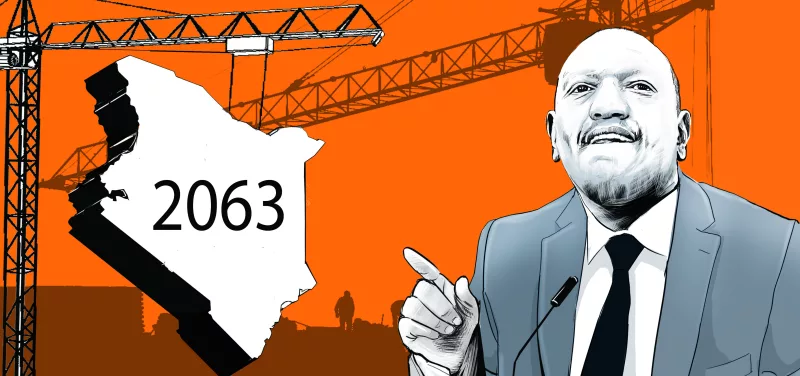
Coincidentally, 2063 is also the target year of the African Union's Agenda 2063, the continent's blueprint for inclusive growth and sustainable development. Next year, Africa will commemorate 70 years since Ghana became the first sub-Saharan African nation to gain independence, ushering in the wave of liberation across the continent. In that time, many African countries have progressed into the middle-income category, demonstrating that sustained transformation is possible.
The question before us, therefore, is simple but profound: What kind of Kenya do we want when our nation turns 100?
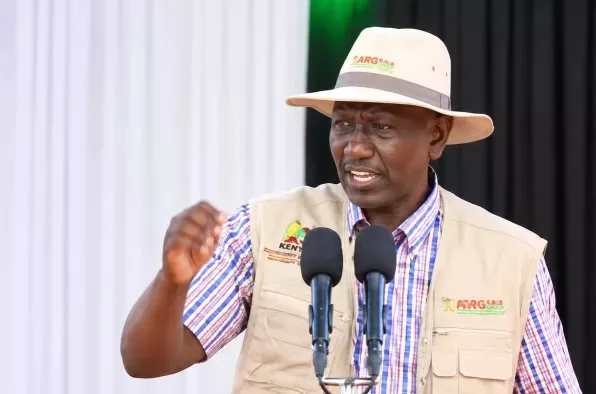
This is the conversation President William Ruto has invited Kenyans to engage in. It is an intergenerational dialogue that transcends electoral cycles and the tenures of individual leaders. It is about defining a shared national vision that will outlive all of us.
We should dare to imagine a Kenya that has achieved the "Singapore dream" a prosperous, globally competitive, first-world nation within our lifetime.
This ambition is not
unrealistic.
Kenya Vision 2030 has already demonstrated that long-term planning can yield tangible progress. Over the past two decades, Kenya has transitioned from a Least Developed Country to a Lower Middle-Income Country (LMIC). While Vision 2030 projected annual economic growth of 10 per cent, the country has averaged about five per cent growth over the last two decades, with a peak of 7.1 per cent in 2007.
These gains show that with strategic focus, disciplined execution and national unity, Kenya can realistically progress from an LMIC to a highly developed economy over the next 37 years.
Achieving this transformation will require us to move beyond the political milestones of pan-Africanism and embrace the economic emancipation envisioned through afro-pragmatism, a philosophy grounded in self-belief, self-determination and collaborative development. And the preservation of African values such as Ubuntu.
Continental initiatives such as the African Continental Free Trade Area, reforms within the African Union, and efforts to reshape the global financial architecture provide Africa with an unprecedented opportunity to accelerate growth and prosperity.
At the national level, Kenya has anchored its development agenda on the five pillars of the Bottom-Up Economic Transformation Agenda, distilled from an earlier framework that informed the Kenya Kwanza manifesto. These pillars provide a practical roadmap for inclusive economic growth.
The aspiration to emulate Singapore's success rests on strategic investments in infrastructure, energy, food security, manufacturing, technology and innovation. Encouragingly, Kenya is already attracting significant investments. Among the notable proposals is Aliko Dangote's planned East African Oil Refinery project, estimated to cost about Sh2.2 trillion.
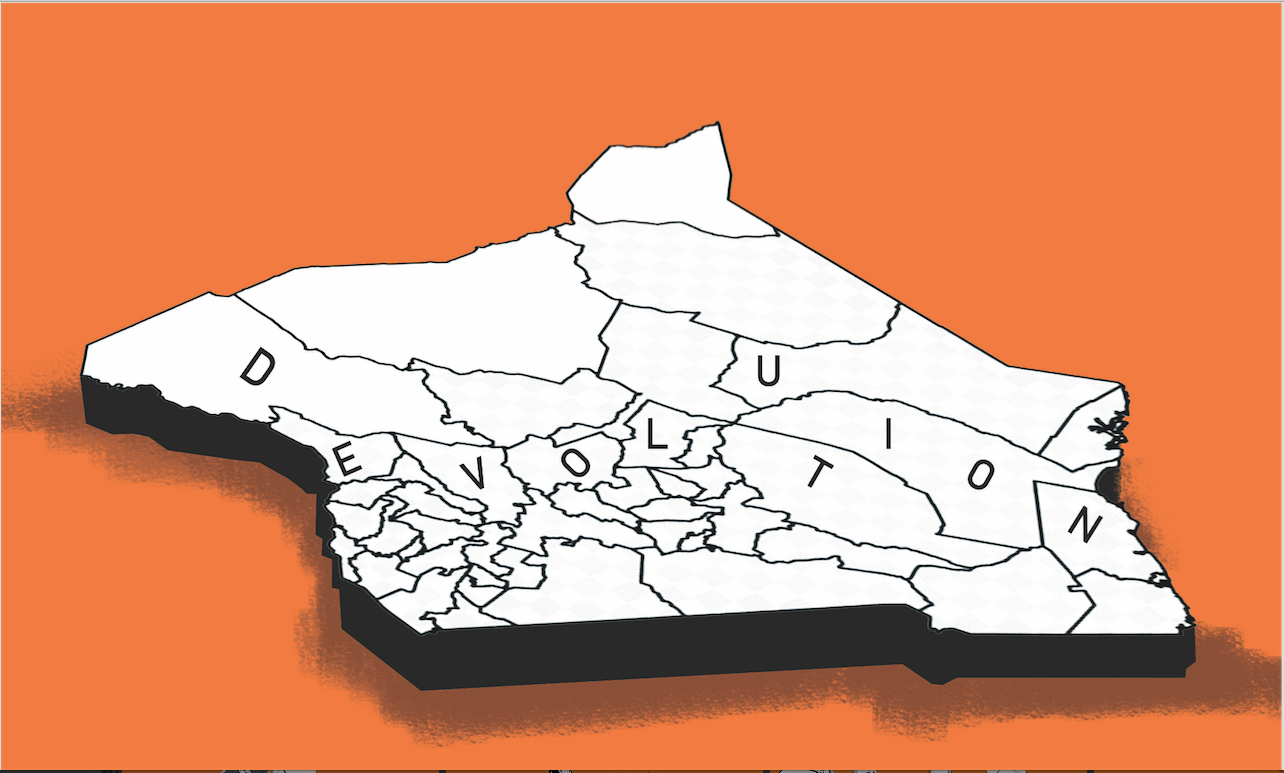
Similarly, the proposed Sh1.5 trillion LapssetCorridor, spanning more than 10 counties, has the potential to reshape Kenya's economic geography, just as the Kenya-Uganda Railway catalysed the growth of cities such as Mombasa, Nairobi, Nakuru, and Kisumu over a century ago.
For this reason, we should avoid distractions that divert attention from the larger national mission. The President has invited Kenyans to participate in what could become the defining conversation of our generation.
What future do we envision for Kenya? And what sacrifices, innovations, and partnerships will it take to realise that vision?
Let us debate. Let
us challenge ideas. Let us refine our aspirations. Let us agree to disagree
where necessary. But above all, let us remember that we are one people, united
by one motherland, Kenya.
This is the defining responsibility of our generation.
As the late Myles Munroe aptly observed:
"Politicians think about the next election; leaders think about the next generation." Munroe was a Bahamian teacher and ordained minister, professor, author, speaker and leadership consultant.
The journey towards
building a stronger, more prosperous Kenya continues.
The writer is the head of the Office of Diversity Inclusion and Disability Rights