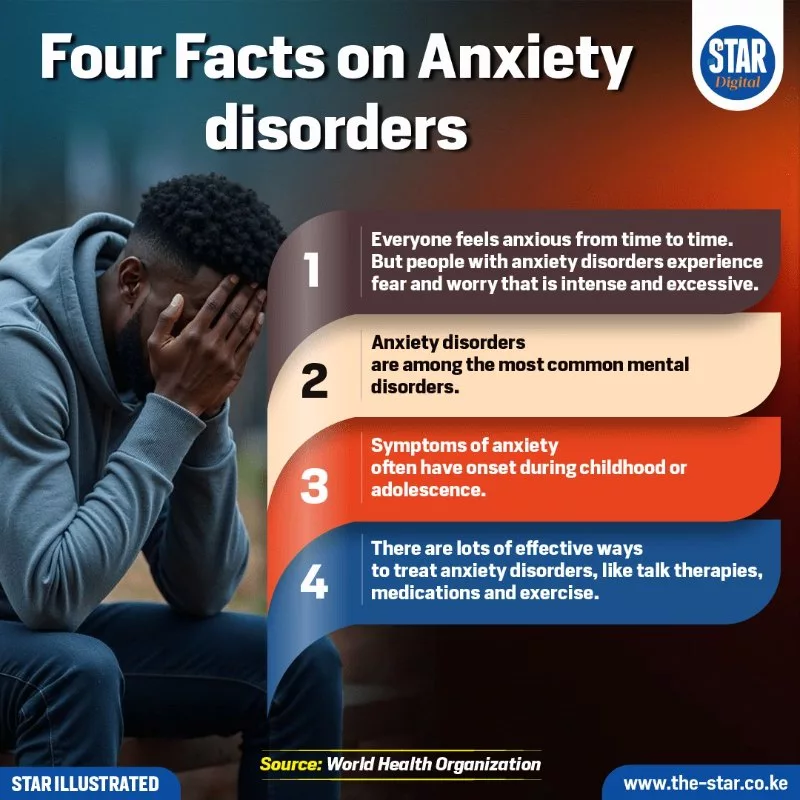
While occasional anxious feelings are a universal human experience, there is a distinct and profound difference between standard, everyday worry and a diagnosed medical condition.
According to the World Health Organisation, individuals living with anxiety disorders endure fear and apprehension that is both intense and excessive. This crucial distinction highlights the severe daily impact on those affected, separating routine stress from debilitating mental health challenges.
The overall scope of this health issue is significant. Anxiety disorders currently rank among the most common mental disorders globally. It is a widespread condition, touching countless lives across different demographics and communities.
Furthermore, the roots of these emotional challenges frequently trace back to early life stages. Symptoms of anxiety often manifest with an onset during childhood or adolescence.
Recognising these signs is vital, as the condition frequently begins to take hold during formative developmental years, leaving many young individuals to grapple with profound emotional distress.
Despite the overwhelming nature of such intense fear, the medical outlook remains decidedly positive. The World Health Organization emphasizes that numerous treatment avenues exist for those navigating these common mental health hurdles.
Notably, there are lots of effective ways to treat anxiety disorders, encompassing practical and proven methods like talk therapies, targeted medications, and physical exercise.