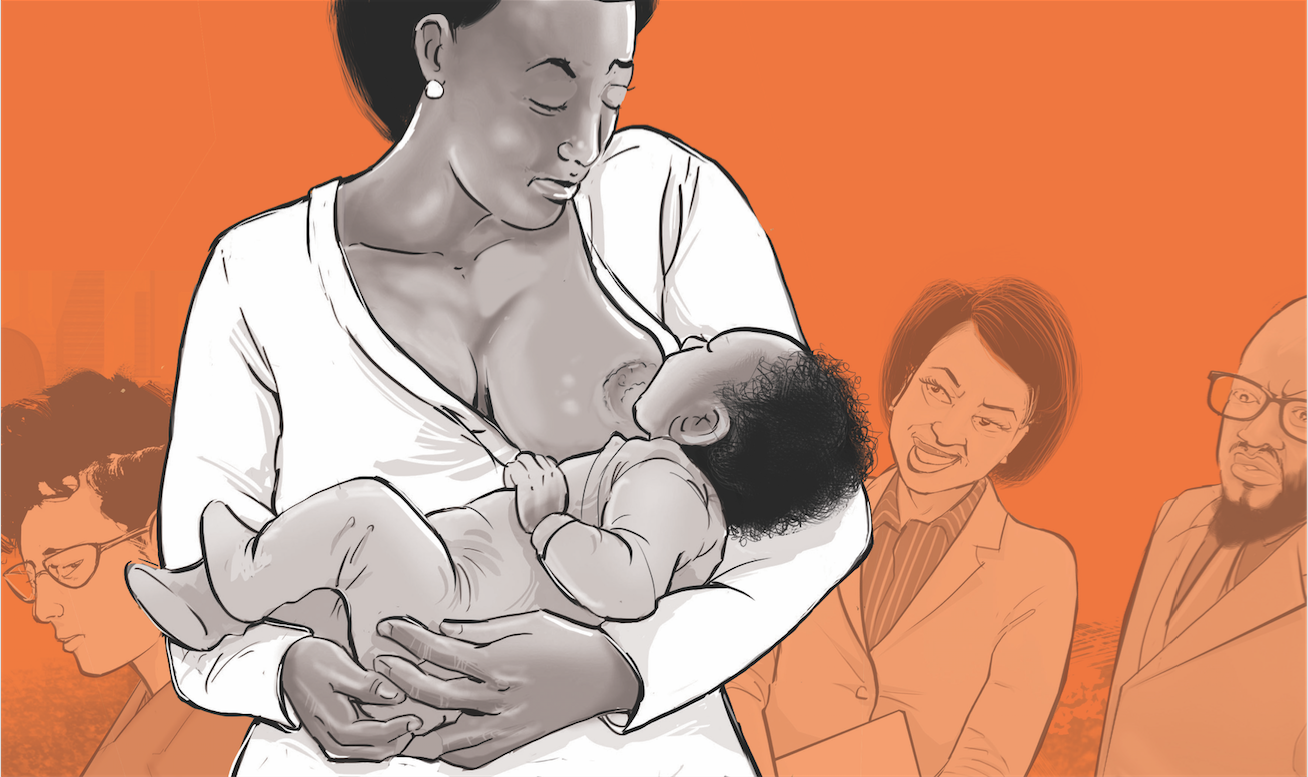
 Kenya’s next gains will depend less on persuading mothers that breastfeeding matters and more on making it compatible with the way women work.
Kenya has made extraordinary progress on breastfeeding. The proportion of babies exclusively breastfed during their first six months rose from 13 percent in 2003 to 60 percent in 2022.
This is higher than the global average and above the World Health Assembly target of at least 50 percent by 2025. The rate, however, has remained close to 60 percent since 2014. That plateau suggests that public education and health-facility counselling cannot by themselves resolve the conditions that determine whether a mother can continue breastfeeding.
The health case is well established, with breastmilk protecting infants against illnesses including diarrhoeal disease and pneumonia while supporting nutrition and development. Longer breastfeeding is also associated with lower maternal risks of breast and ovarian cancer and type 2 diabetes. Global estimates suggest that every US dollar invested in breastfeeding support can generate about US$35 in economic returns through improved health and productivity.
Kenya’s next gains will depend less on persuading mothers that breastfeeding matters and more on making it compatible with the way women work. The clearest tension appears at three months. The World Health Organization recommends exclusive breastfeeding for six months, while Kenya’s Employment Act provides three months of paid maternity leave. Many mothers therefore return to work at the midpoint of the recommended period, when regular feeding or milk expression remains necessary to maintain supply.
For salaried women, the difficulty may involve rigid schedules, long commutes and a lack of private facilities. For women in markets, domestic work, agriculture and other informal employment, the barriers can be harsher because income may stop whenever work stops, and formal maternity protections may have little practical reach. The result is a policy that measures success through a mother’s behaviour while paying far less attention to the conditions under which that behaviour must occur.
Research among Kenyan workers shows how wide the gap can be. In a study of 564 formally employed mothers, fewer than 5 percent reported access to a private lactation space at work and fewer than 10 percent had workplace daycare. Mothers using onsite childcare were far more likely to be exclusively breastfeeding at 14 weeks than those relying on community or home-based care, at 60.6 percent compared with 22.2 percent. This was not a national workplace audit, but it offers a sobering indication of how rarely existing protections become facilities women can use.
Practical support can change outcomes quickly. A baby-friendly workplace intervention on an agricultural farm in Kericho County offered flexible breastfeeding breaks, nearby childcare, lactation facilities, milk storage and counselling. Exclusive breastfeeding was reported among 80.8 percent of mothers receiving the intervention, compared with 20.2 percent before it. The effect was strongest among mothers of babies aged three to five months, precisely when returning to work often makes exclusive breastfeeding hardest to sustain.
Similar thinking has emerged within Kenya’s informal economy. Tharaka Nithi County established a crèche within Chuka Market, which accommodates about 2,000 traders, an estimated 1,300 of whom are women. The facility provides supervised care for infants and young children during working hours, allowing mothers to remain close enough to breastfeed or care for their children while continuing to earn an income. It also reduces reliance on expensive domestic childcare or informal arrangements that may leave children with underage siblings or in facilities with uncertain safety and hygiene standards. The Chuka model matters because workplace support cannot be designed only around offices and formal employers. For many Kenyan women, the workplace is a market stall, farm, construction site or private household. Accessible crèches within markets and other shared working spaces can bring childcare and breastfeeding support closer to women whose livelihoods depend on remaining at work throughout the day. They also show how county governments can translate national maternal and child health priorities into practical infrastructure that responds to the realities of working families.
Kenya already has a legal foundation through Section 71 of the Health Act, which requires employers to establish lactation stations with handwashing facilities, refrigeration or appropriate cooling, electrical outlets, a table and comfortable seating. The law also specifies that these stations cannot be located in restrooms. Yet the limited access reported by working mothers reveals a deeper failure of implementation and enforcement. Some women have been forced to express milk in toilets or other spaces that are neither private nor hygienic, while others have faced pressure, discrimination or even the loss of employment because their workplaces were unwilling to accommodate breastfeeding. The gap between the law and women’s lived experience therefore affects far more than comfort. It determines whether a mother can continue breastfeeding, protect her income and return to work without being penalised for having a child.
The Breastfeeding Mothers Bill, 2024, attempts to close the gap between Kenya’s public health ambitions and the conditions women encounter at work. It proposes clearer standards for lactation facilities, breastfeeding breaks and flexible work arrangements for mothers while, strengthening protection from maternity-related discrimination. It also sets penalties for employers that fail to comply. Yet Parliament’s Bill Tracker dated 29 April 2026 still listed it as pending at Committee Stage, more than two years after its publication. That delay has practical consequences for mothers who continue to rely on workplace discretion for protections that should be clear, consistent and enforceable.
The question is no longer whether workable models exist, since Kenya’s own evidence shows that they do, but whether the country is prepared to make them ordinary rather than exceptional. To ease implementation, employers should be supported with models that enable phased requirements, standard designs, tax incentives, practical guidance, and where needed, smal employees could also be incentivised by shared lactation facilities within larger commercial buildings.
As I reflect on World Breastfeeding Week, I believe our progress should be measured by more than the strength of our public messaging.
Kenya has already shown that mothers are more likely to breastfeed when health information is matched by time, childcare, privacy and secure milk storage. The plateau in exclusive breastfeeding is a policy signal, rather than evidence of declining maternal commitment. A country that recommends six months of exclusive breastfeeding while providing many women with only three months of paid maternity leave has left half of that recommendation resting on individual sacrifice. When Kenya closes that gap through law, enforcement and practical workplace support, its breastfeeding ambition will become what the country has already declared it to be, a shared national commitment supported by the institutions around every mother.
The author is a consultant paediatrician, health advocate, and hip-hop artist.



![Africa CDC Director General Dr Jean Kaseya at a past event. [Photo: Arthur Mbuguah, WHM]](https://cdn.radioafrica.digital/image/2026/10/8ced213c-affb-4dff-97ca-1b6bac1f958e.webp)