Maybe it’s time Nairobi Senator Edwin Sifuna reduced the old long-taught tactics of political campaign rallies and crowd pulling in strongholds and added new campaign tactics.
The old tactics have been used post-Independence, during multipartyism and over the years by leaders, some now long gone.
Politics has now evolved, and so too must the art of campaigning. The era of relying solely on noisy rallies, ethnic strongholds and familiar political scripts is steadily giving way to a more sophisticated electorate that consumes information differently, thinks independently and expects leaders to meet them where they are.
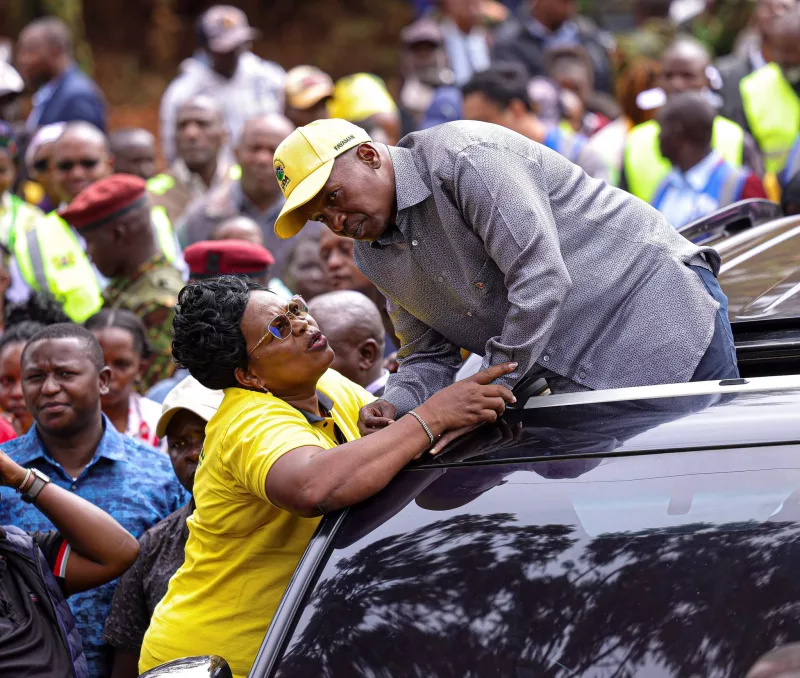
Old tactics dictate having masses in areas where you are popular, having entourages of like-minded political aspirants and seasoned politicians who command public attention, break down the manifesto and throw in an insult or two at opposing factions.
There must be blaring music that is popular with the masses and tough-eyed bouncers who will throw out anyone who visibly dares not agree.
Meanwhile, a lot has changed over the years, there is a rising middle class who also need to be appealed to. Women also do not find their way to those traditional campaigns but they are equally invested as men in politics and have equal voting rights.
There is the bougie, the fancy Gen Z faction of the youth who will not find themselves dead or alive in those campaign crowds, but they are equally invested in the outcome next year and need change.
There also exists the diaspora Kenyan voters. Not to forget the non-ethnic Kenyan citizens, such as those from the Asian community. And there are the Kenyans by registration who are mainly in the country for business or other investments, and are keen on a comfortable political and economic environment.
Then we have the rich Kenyans, who seldom vote, who need a lot of convincing to leave their posh homes and queue at voting stations.
Many in this diverse electorate, the typical crowds and the heir to the former Prime Minister Raila Odinga’s legacy want the current administration out.
They want the old overdone system of governance overhauled and a grand new council of thinkers brought in. Thus, Sifuna needs a new blended and constructive way of campaigning.
The 2027general election is a different ballgame, Baba is not around to hand over the Bible of campaigning, and once a Kenyan attains any high office, it is a real burden and struggle to remove them from supreme power.
The stakes are high, Sifuna is now popular, perhaps, he can borrow some tactics from New York Mayor Zohran Mamdani’s campaign, among other fresh and successful campaign models worldwide.
If he truly seeks to lead the next political chapter, he must write a new campaign playbook rather than recycle one from the last century.
He has the charisma, eloquence and visibility to do so, but these qualities must now be matched with innovation. Sifuna should try to also win over boardrooms as much as marketplaces; engaging Gen Z online be as important as addressing mass rallies.
Every Kenyan voter, regardless of age, class, ethnicity, or location, wants to feel seen, heard, and valued, thus Sifuna’s campaign strategy should aim to reach everyone in almost equal measure.