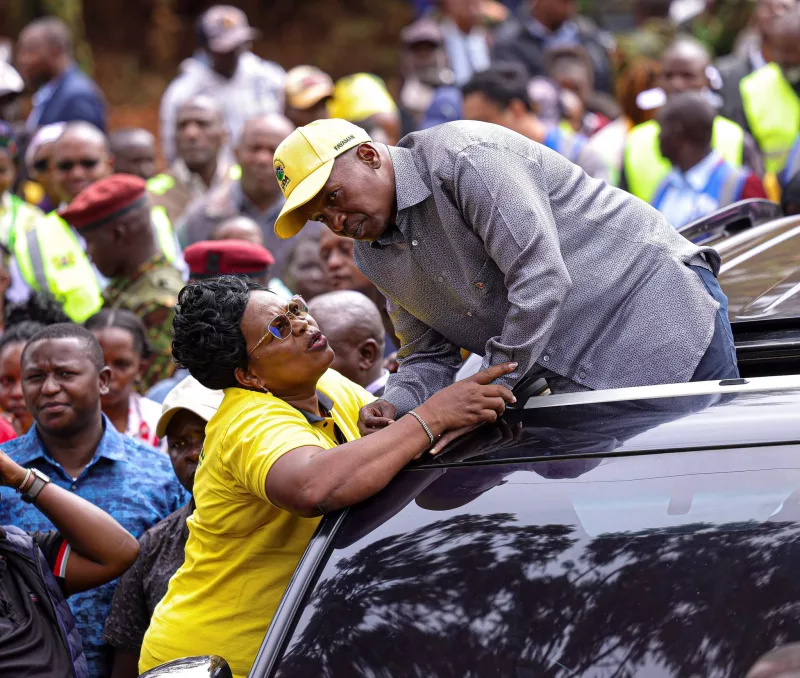
 Ol Kalou parliamentary candidate Samuel Kamau receives DCP certificate from its deputy and leader, Cleophas Malala and Rigathi Gachagua, respectively. Kamau later won the by-election /FILE
The by-election in Ol Kalou following the death MP David Njuguna Kiaraho. DCP candidate Sammy Kamau was declared the winner of Ol Kalou parliamentary seat after garnering 35,440 votes, flooring UDA candidate Samuel Nyaga who got 5,450 votes.
The exercise had been marred by intense suspicions about the neutrality of IEBC. However, it was gratifying that at the end, each of the key contending parties offered rare congratulatory messages to the commission.
Most significantly, DCP that had been on the war path against the commission, was the first to declare the elections free and fair and delivered the people’s will in Ol Kalou.
This provided the necessary vote of confidence to the IEBC. The onslaught by the opposition against the agency had been sustained ever since they jointly lost the previous by-elections to the ruling union of UDA and ODM.
After the IEBC conducted a generally successful mass voter registration, the thumbs up by all parties should give the boost to maintain electoral agency credibility in preparations for the 2027 general election.
Notwithstanding the overall credibility of the by-election, there were events that threatened to completely overwhelm the administration of the process.
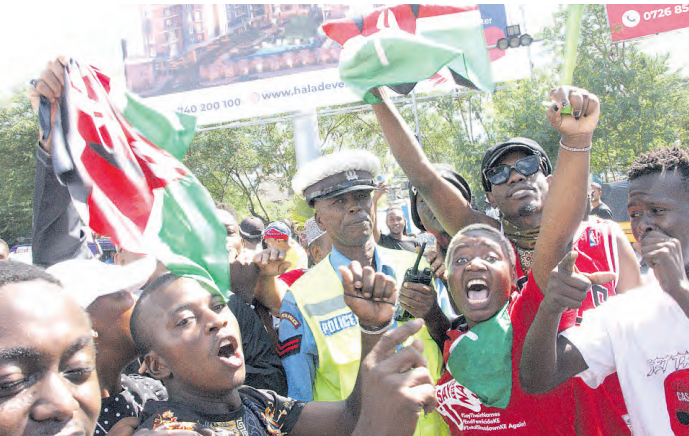
There were organised groups that turned into criminal gangs and participated in activities that undermined the peaceful conduct of the election.
While some segments of the population sought to demand action from IEBC, these acts were clearly criminal and should have been subjected to provisions of the Penal Code. Kenya as a nation has established some of the most respected governance institutions worldwide.
These are treated as independent as can be within the purview of the law. They include the National Police Service, NCIC, EACC, DCI and the NIS. These institutions have constitutional mandates to preserve national security using the means allowed by law.
That responsibility is original and granted by the law and relevant subsidiary statutes. The failure by some of these institutions should not be shifted to the IEBC.
One of the key institutions that has been cited several times for allegedly abandoning their stated mandates and civic duties are the NCIC and the church. The public has been loud enough in demanding the responsible actions from these institutions ¾ with minimal response.
The DCP under the leadership of former Deputy President Rigathi Gachagua has managed to create anenclave in Central.
However, history should teach us that by-elections are different ball games from the main general elections. The first wave of by-elections took place during the polls occasioned by the breakaway KPU of Jaramogi Oginga Odinga.
The next wave would happen 30 years later during the Kanu-orchestrated defections at the return of multiparty politics. The pattern would continue, albeit on reduced scale until the enactment of the 2010 Constitution.
The common thread has been that most by-elections have been concentrated in small areas of electoral jurisdictions and thus attracted high-stakes competition.
The risk of losing is normally considered catastrophic by the key protagonists. The government ordinarily seek to demonstrate that they have support across the entire country while the opposition would want to take advantage of the opportunity to flex their muscle.
Both sides, therefore, spare no efforts at winning any such seats, including by employing unorthodox means. For pundits, what transpired in Ol Kalou is not isolated but instead fits into a pattern. Granted that the DCP base got excited by its first MP seat because of its previous defeats but overall, nothing spectacular happened in terms of analytics.
Opposition sympathisers and regime apologists seem to miss some points in assessing implications of the outcome of the Ol Kalou by-election.
What Gachagua and DCP have done decisively is to carve the Kikuyu community out of the united opposition movement. With registered voters at 73, 480 and total votes cast at 41,656, the constituency witnessed one of the highest voter turnouts at 57 per cent.
This clearly demonstrated the detachment of the community from the Ruto regime. It at the same time cemented the position of Gachagua as the preeminent leader instead of Uhuru Kenyatta whose Jubilee candidate was soundly defeated.
With a plausible four million votes from the entire Mt Kenya region, it would be difficult if not politically foolhardy to support anyone from outside. Since the by-election, it has come to pass that the hitherto-concealed confusion in the opposition ranks is the reality.
Without Gachagua and central Kenya’s votes together with material resources, none of the opposition candidates seem confident to mount a presidential campaign single handedly.
Kalonzo Musyoka and his Wiper party have declaredKambaland their protected territory, but only protected from their opposition colleagues.
The Linda Mwananchi movement is gaining some traction, with ousted ODM secretary-general Edwin Sifuna elbowing Siaya Governor James Orengo and MP Babu Owino from the steering committee completely.
Interestingly, former Interior CS Fred Matiang’i having sensed he was outmaneuvred under Gachagua is drifting towards the Sifuna camp.
The rest of the brigade from western Kenya comprising DAP-K leader Eugene Wamalwa and Trans Nzoia Governor George Natembeya seem to have scattered to the four winds. At best, they will remain opposition, whether united is debatable.
The above scenario does not portend well for the opposition in the next election. But neither is it altogether safe for the regime and its operatives. The next election will be fought on demonstrably achievable development plans with people-driven projects.
For the regime, it will require double work. This is because in the previous election, president William Ruto won due to his ambitious and transformative development agenda. The Beta programme has delivered unique projects that previously appeared farfetched and unattainable.
Most of the projects are nearing completion and are quite innovative. There are two challenges. If the projects miss the completion target dates, then the backlash will present a management challenge to the presidential campaign team.
On the other hand, should the projects remain on course and schedule, then the President must think in overdrive to provide new novel development projects that will be delivered without causing any more economic pain to the citizens.
This demands that the government stays focused on growing the economy and providing adequate security to assure political stability.
That would create the momentum required to navigate the next elections and deliver accelerated but sustained national development.
Ruto stands out as a cut above the rest of the cast. If he wins reelection, then his biggest political challenge will be to maintain unqualified national unity. He will have to dexterously navigate the delicate terrain of bringing the Kikuyu community into his government fold.
With Gachagua, the President has lost some valuable political capital in Central. His team must devise strategies to mitigate the loss and compensate for the vacuum.
If done well and with good timing, Ruto will be assured of a landslide win for the second term.